
Cross-Platform Media Consumption Patterns in Social Media Followers
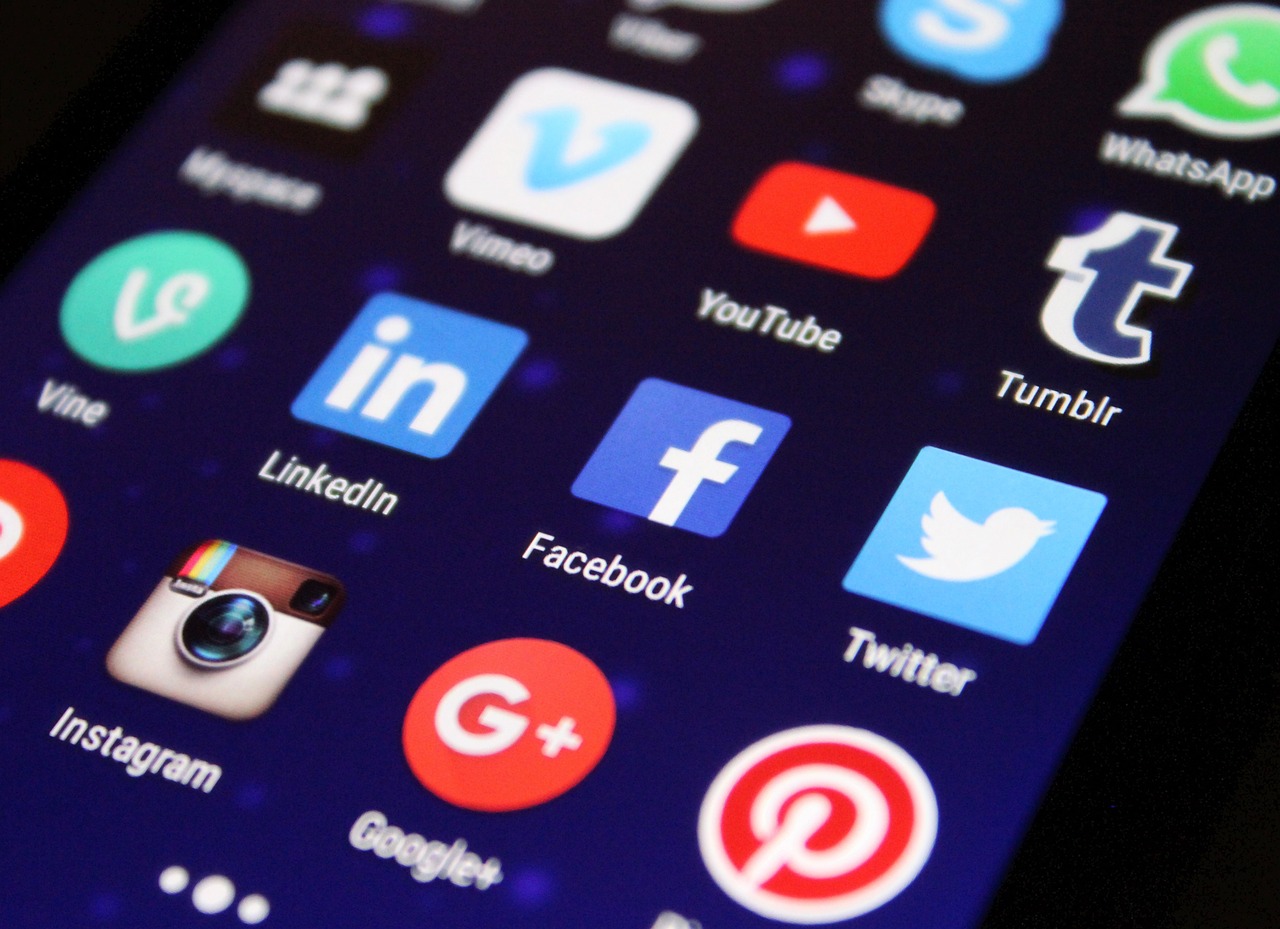
Understanding the media consumption patterns of social media followers is crucial for businesses looking to engage effectively with their audience. Followers today utilize various platforms such as Instagram, Twitter, Facebook, and TikTok for their daily media intake. Insights into these consumption habits can help marketers create highly targeted campaigns. For instance, younger demographics tend to favor short, engaging video content on platforms like TikTok, while older users may prefer longer articles or videos published on Facebook. These preferences affect not only the type of content created but also the timing and frequency of posts. Companies must also consider how followers transition between platforms. A potential customer may find a brand on Instagram and later engage with its content on Facebook. This seamless navigation across platforms showcases the importance of maintaining a consistent branding message, making it easier for the audience to identify with the brand across different media. Marketers who comprehend these patterns can design multi-platform strategies that resonate well with their specific demographics. Leveraging this approach can significantly increase engagement rates and improve long-term brand loyalty.
Various factors influence these cross-platform media consumption patterns. Age, geographical location, and personal interests play significant roles in determining preferred content types. For instance, Gen Z is more inclined to engage with bite-sized content on mobile apps, making platforms like Snapchat and TikTok their go-to choices. Meanwhile, Millennials may sit between traditional media and new-age formats, often opting for podcasts or YouTube. By analyzing their target demographics, marketers can tailor their strategies accordingly. Social media analytics tools provide a wealth of data, enabling brands to track follower interactions across multiple platforms effectively. This data can reveal peak activity times, content preferences, and even the type of media that drives followers towards conversions. Additionally, companies should remain adaptable, as trends can shift rapidly. Leveraging real-time analytics allows for timely adjustments to marketing strategies, ensuring they remain relevant. Marketers need to encourage interaction by creating qualitative components in their campaigns, such as polls and interactive posts. By understanding these intricate dynamics, businesses can effectively capture their audience’s attention and foster a more engaged online community.
The Impact of Content Type on Follower Engagement
Content type significantly influences how followers engage across platforms. Videos tend to attract more interactions than static images or simple text posts. On platforms like Instagram and TikTok, dynamic visual content garners immediate attention and keeps followers engaged for longer periods. Research indicates that video posts can result in higher share rates, enhancing their reach beyond initial followers. Therefore, marketers should prioritize video content, especially for platforms where visual storytelling thrives. However, this does not discount the importance of informative articles and infographics, especially on platforms like LinkedIn. Users seeking detailed insights and expertise may engage with longer-form content that provides value and encourages sharing. On Twitter, brevity and wit can capture user attention, leading to effective brand conversations. Furthermore, understanding audience preferences allows content creators to experiment with different formats. They can utilize polls to gauge follower interests, enabling them to pivot strategies swiftly. Brands should augment their campaigns with user-generated content to boost authenticity and engagement. Collaborations with influencers and testimonials from real customers can serve as powerful endorsements that increase credibility and deepen follower loyalty.
Another vital aspect to consider is the timing of content delivery. Followers’ media consumption behavior varies throughout the day. Tracking engagement analytics can reveal peak interaction times, enabling brands to post when their audience is most active. For instance, studies show that posts made around lunchtime or early evenings usually receive higher interaction rates. This timing strategy becomes even more crucial for brands targeting specific demographics, who may have distinct media consumption patterns during weekends versus weekdays. Additionally, keeping a consistent posting schedule can help maintain follower interest. Users appreciate predictability, as it cultivates a sense of trust in the brand’s commitment to providing value. Moreover, using stories for behind-the-scenes glimpses or announcements can build anticipation and engagement during off-hours. Diversifying content formats within specific guidelines can help brands keep their audience on their toes. Creative campaigns that shift between stories, reels, and in-feed posts allow brands to showcase different facets of their identity. Ultimately, dynamic timing and a varied content gift can result in increased follower interaction and sustained loyalty.
The Role of Influencers in Shaping Consumption Patterns
Influencers play a vital role in shaping media consumption patterns among social media followers. Their ability to reach niche audiences makes them valuable partners for brands looking to tap into specific demographic segments. Influencers often establish trust through authenticity, allowing them to sway their followers’ engagement and consumption habits. Brands leveraging influencer marketing can significantly increase their visibility as influencers curate content that resonates well with their audience. This resonance leads to more meaningful interactions and potential conversions. Micro-influencers, in particular, have gained traction for their strong engagement rates compared to larger influencers. Their followers are usually more dedicated, leading to better interaction outcomes. By collaborating with influencers, companies can gain insights into their audiences’ media consumption preferences, ensuring that campaigns are crafted to suit specific tastes. It’s also crucial to monitor the effectiveness of these collaborations through metrics, such as engagement rates or conversion ratios. Evaluating the success of influencer partnerships helps in understanding which strategies work best and how they can be refined for future campaigns. This adaptive approach will continue to foster stronger follower demographics and enhance brand loyalty over time.
As audiences increasingly turn to their preferred social media platforms, the impact of mobile usage cannot be ignored. Consumers often rely on their smartphones to access content across multiple platforms, shaping how they interact with brands. This trend has prompted marketers to optimize their digital content for mobile devices, ensuring that followers have seamless experiences across platforms. Responsive design and mobile-friendly content are becoming essential components of effective marketing strategies. Format considerations are important, as vertical videos and images are more likely to attract mobile viewers. Additionally, ensuring fast load times—especially for video content—can significantly reduce bounce rates. Brands should aim to create strong mobile experiences to engage their audience. This can include well-designed mobile landing pages and an easy-to-navigate website that supports diverse formats. Emphasizing user experience on mobile apps further adds to customer satisfaction. Conditional content delivery that adapts to user behavior and preferences can also enhance engagement. As follower demographics continue to evolve, focusing on mobile optimization will remain pivotal for marketers striving to maintain relevance and connection with their audiences.
Future Trends in Media Consumption
Looking ahead, several emerging trends are likely to shape follower demographics and their media consumption behaviors. The rise of virtual and augmented reality is set to transform how brands deliver experiences to their followers. Platforms are rapidly integrating immersive technologies, encouraging innovative content approaches. Brands that engage followers with interactive and immersive experiences could potentially see substantial increases in engagement. Furthermore, the push for greater transparency in social media practices is becoming increasingly evident. Audiences seek accountability, and brands that display their commitments to ethical standards, such as authenticity and social responsibility, will build stronger relationships with their followers. Content that highlights causes or social issues can resonate deeply with target demographics, enhancing loyalty. The importance of community-driven content will also likely rise, as consumers prefer to connect with brands that prioritize engagement and inclusivity. Integrating user-generated content into marketing strategies can foster authentic connections that resonate with audiences. As competition raises the stakes for businesses, embracing these trends proactively will be key to maintaining relevance and engagement in an ever-evolving media landscape.
In conclusion, comprehending the cross-platform media consumption habits of social media followers is imperative for businesses aiming to connect effectively with their target audience. It’s truly a sophisticated tapestry woven from various factors that include age, location, and personal interests. The content type and timing of posts can significantly influence engagement levels. Brands are encouraged to leverage video content for dynamic follower engagement while remaining adaptable to emerging trends in media behavior. By monitoring data and employing analytics, businesses can continuously enhance their strategies while maximizing engagement. Additionally, influencer collaborations and mobile optimization add further layers of complexity to marketing efforts. Adopting a proactive approach toward future trends such as immersive technology and community-driven content can ensure brands remain relevant in a fast-paced environment. Ultimately, brands that prioritize authentic interactions and adapt to follower preferences will cultivate lasting loyalty and drive successful marketing campaigns. It is through these comprehensive insights into follower demographics that businesses can achieve sustainable growth and engagement across multiple platforms.