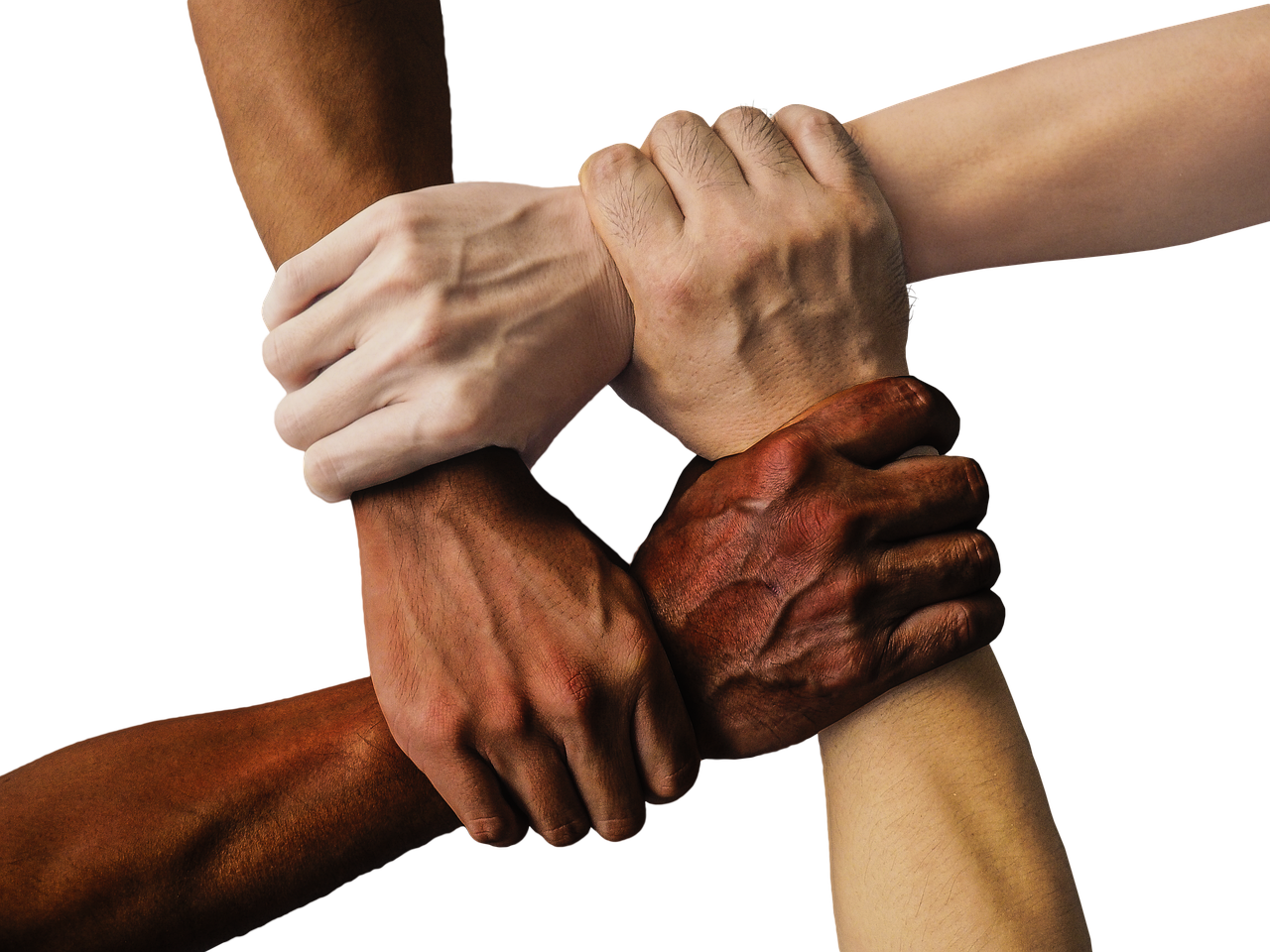

Creating Crisis Response Teams for Community Emergencies
In today’s world, community resilience in the face of emergencies is crucial. Creating crisis response teams is a strategic approach to ensuring preparedness and effective action during unexpected events. These teams empower communities by facilitating swift responses, coordinating resources, and providing necessary support. Key components involve training volunteers, developing communication protocols, and establishing partnerships with local organizations. Training programs should focus on first aid, emergency management, and crisis communication to build skill sets that foster confidence. Community involvement is vital, encouraging citizens to take active roles in securing their neighborhoods. Moreover, these teams can function as a bridge between authorities and residents, enhancing trust and information flow. Regular drills and simulations can solidify the group’s cohesion and readiness. Maintaining a network with local agencies ensures collective intelligence when emergencies strike. By fostering such initiatives, communities can enhance safety and security while nurturing a spirit of teamwork and collaboration. Notably, these efforts not only prepare for emergencies but also strengthen community bonds, creating an enduring legacy of unity and resilience in facing challenges together. Ultimately, a well-organized crisis response team can significantly improve the outcomes during various emergencies.
The Role of Communication in Crisis Response Teams
Communication plays a fundamental role in the efficacy of crisis response teams. It ensures seamless coordination and allows for timely information dissemination among team members and the community. Establishing a clear communication strategy can enhance the flow of information and provide necessary updates to residents. Utilizing various platforms, such as social media, mobile apps, and community meetings, can help reach larger audiences effectively. Training team members in crisis communication techniques is equally important. They must be equipped to convey messages clearly and compassionately while addressing community concerns. Regular updates during emergencies can alleviate anxiety and foster a sense of security within the community. Furthermore, training programs should cover how to manage misinformation, as inaccurate details can lead to confusion and hinder effective responses. Encouraging community feedback is essential; it allows teams to adapt their strategies based on real-time information. Through effective communication, teams can build trust and transparency with the public. Ultimately, well-structured communication enhances the overall effectiveness of response efforts, ensuring that every community member understands their role and resources available during crises.
One of the essential elements of creating crisis response teams is fostering community involvement. Engaging local residents in the planning process is crucial for tailoring responses to specific community needs. This inclusive approach helps ensure that team initiatives align with residents’ expectations and concerns. Community meetings can serve as platforms to gather input and discuss potential scenarios, focusing on risk assessments and response strategies. Effective outreach can encompass surveys, informational sessions, and local workshops. These activities not only inform but also spark interest and participation among residents. By collaboratively developing response plans, community members are more likely to feel invested in the outcomes. Involving different demographics is vital, ensuring representation from various sectors, including schools, businesses, and social groups. Each perspective brings unique insights that enrich the planning process. Moreover, volunteer recruitment efforts can promote a sense of ownership, creating advocates within the community. Teams can thrive on diversity, leveraging the strengths of individuals to create comprehensive crisis plans. When communities work together, resilience builds, and citizens become empowered to contribute positively to their safety and well-being.
Training and Development of Crisis Response Teams
Training crisis response teams is essential for effective emergency management. Comprehensive training programs equip members with the skills, knowledge, and confidence to handle various situations. A well-rounded curriculum should cover first aid, emergency response protocols, and disaster management principles. Workshops and practical exercises can help team members practice their skills in realistic scenarios. Collaborating with local emergency services to offer specialized training sessions can enhance the team’s credibility and effectiveness. Regular refresher courses should also be part of the development plan, ensuring team members remain updated on the latest practices and procedures. Evaluating training effectiveness through simulations or assessments can help identify areas for improvement. Incorporating practical drills fosters teamwork and enhances group dynamics, critical in crisis situations. Furthermore, sharing experiences and lessons learned from past emergencies can inform future training efforts. Recognizing individual strengths within the team allows for targeted skill-building exercises that benefit everyone. Ultimately, a well-trained response team can significantly minimize chaos and expedite recovery during community emergencies, ensuring higher levels of safety and resilience.
Collaboration is key to the success of crisis response teams. Building strong partnerships with local organizations, government entities, and emergency services creates a support network that enhances overall effectiveness. Identifying potential allies can expand resources and provide valuable expertise. Joint training initiatives can strengthen these partnerships and improve communication among organizations. Establishing clear roles and responsibilities fosters a sense of accountability and teamwork. It ensures that when an emergency arises, all parties understand their contributions and how to coordinate efforts efficiently. Local businesses can play a significant role by offering support or donation of resources. Engaging schools and non-profit organizations can also provide additional volunteers. Regular meetings among partners can facilitate information sharing and collaboration, discussing improvements and strategies to enhance emergency response. Documenting partnerships and resource availability can streamline access during crises. Moreover, developing protocols for crisis communication enhances transparency and trust within communities. Ultimately, a collaborative approach bolsters resilience and reinforces the community’s ability to respond effectively and rapidly during emergencies. Leveraging a diverse set of skills ensures comprehensive responses tailored to local needs, enhancing overall outcomes.
Community Drills and Simulations
Conducting regular community drills and simulations is a vital component of efficient crisis response operations. These exercises promote preparedness while fostering familiarity with emergency protocols among residents. By practicing various scenarios, community members can gain hands-on experience and confidence in their abilities. It is beneficial to create realistic simulations reflecting potential emergencies specific to the region, such as natural disasters, medical emergencies, or public safety issues. Participation from all community sectors, including schools, businesses, and local government agencies, is essential for a comprehensive approach. Feedback from drills allows teams to assess their strengths and identify potential gaps in their response strategies. Moreover, these events foster camaraderie and unity among residents, building an engaged and informed community. Engaging local media can amplify awareness about these drills and encourage wider participation. Community drills also enhance communication pathways, ensuring everyone knows how to access crucial information quickly. Additionally, documenting the outcomes of these simulations can guide future training and improve overall coordination. Ultimately, regular drills empower citizens, reinforcing their ability to respond effectively in emergencies and contributing to increased community resilience.
Building a crisis response team’s legacy involves reflecting on accomplishments and continuously seeking improvement through evaluation. After reaching specific milestones, communities should conduct assessments to gauge effectiveness and gather insights from participants. Analyzing responses to past emergencies can unveil valuable lessons that can refine team operations. Encouraging open dialogues where members can share their experiences provides opportunities for growth and development. Identifying strengths and weaknesses creates an actionable feedback loop that enhances readiness. Moreover, recognizing and celebrating the team’s achievements fosters motivation and encourages continued participation. Documenting best practices and success stories can inspire other communities to implement similar initiatives. Continually updating training programs based on evaluated outcomes ensures teams remain relevant and ready to address emerging challenges. As crises evolve, so must the strategies developed to confront them. Engaging the community in ongoing conversations about safety helps maintain their interest and accountability in emergency preparedness. Investing in crisis response teams ultimately cultivates a culture of resilience, preparedness, and interconnectedness. Communities that actively participate in such initiatives establish a robust safety net that can significantly reduce risks and enhance quality of life.