
Using Data from Polls to Improve Customer Experience
In today’s competitive market, understanding customer preferences is essential for businesses. Utilizing polls and surveys effectively can provide valuable insights into customer needs and expectations. Engaging customers through polls not only collects data but also promotes interaction and involvement with your brand. By creating survey questions that are clear and concise, you can obtain information that directly impacts your service or product. Important factors such as satisfaction, preferences for features, and future service desires can be gathered through well-structured polls. Additionally, keeping questions straightforward encourages more responses and participation. When done right, polls can drive engagement on social media platforms, attracting more of your target audience’s attention. The data collected can inform strategies for enhancing customer journeys and experiences. For instance, if feedback reveals a strong demand for certain features, consider prioritizing them in your development timeline. Moreover, showcasing that customer feedback leads to real change can foster loyalty. Engaging surveys also serve as a marketing tool, as sharing results may encourage more customers to participate in future polls. Overall, polls are a powerful way to connect and respond to your customers’ evolving preferences, fostering a better relationship.
Taking action based on poll data is critical for demonstrating that you value customer input. Once you gather insights from surveys, analyze the data thoroughly to identify patterns and trends. Understanding these trends can help refine your services, making them more aligned with customer demands. For example, if your poll finds a significant demographic interested in a new service feature, perhaps it’s time to consider its implementation. Furthermore, sharing specific results with your customers can reinforce the connection they feel to your brand. Transparency about how their feedback influences your decisions encourages further participation in future surveys. You could create infographic representations or detailed reports from the findings of the polls to share with your audience. This content is not only engaging but also educational, showing customers the value of their opinions. Remember, feedback isn’t just a number; it’s a narrative that tells you about your customers. Additionally, these actionable insights can help with targeted marketing efforts, improving ad campaigns by tailoring content to appealing aspects derived from poll responses. Consistently asking for feedback promotes a culture of continuous improvement, where the focus remains on meeting customer expectations effectively.
Types of Polling Questions
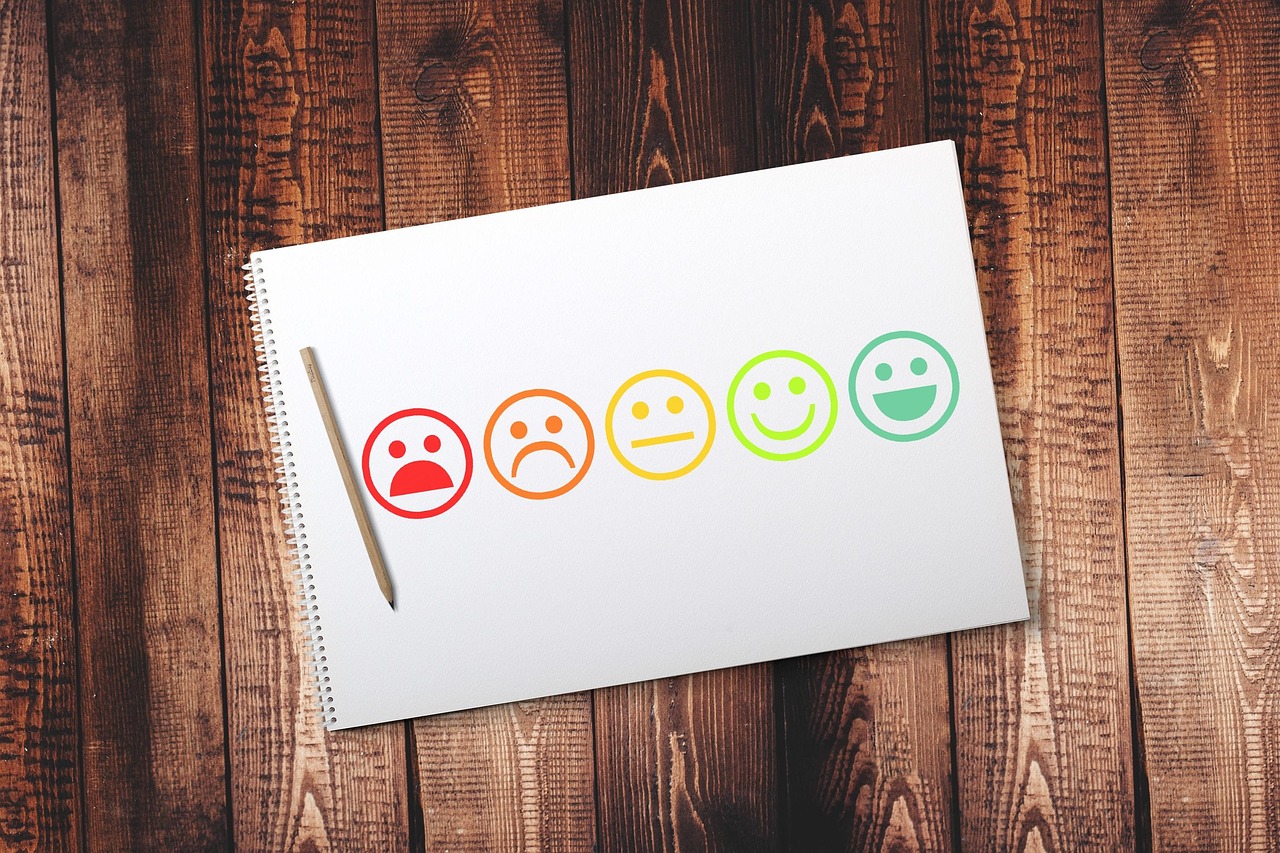
To enhance the efficacy of your surveys, it’s important to utilize a variety of polling question types. Start with multiple-choice questions, which allow respondents to pick their options from a preset list. This format is time-efficient and helps you quickly quantify responses. Open-ended questions encourage deeper engagement by allowing customers to express their opinions in their own words. However, be cautious of overwhelming customers with too many open-ended inquiries, as this may lead to survey fatigue. Consider including Likert scale questions, where respondents rate their experiences or preferences on a scale, making it easy to quantify satisfaction levels. Another effective format is ranking questions, where participants prioritize options according to their preferences. This format can provide insights into what features or services customers value most. Additionally, yes/no or true/false questions can help identify clear preferences without complexity. Incorporating a well-balanced mix of these question types can keep your surveys engaging and meaningful. Always tailor your surveys to suit your audience’s preferences for the best feedback possible. Remember, the goal is to create a smooth and enjoyable experience that encourages thoughtful and helpful responses.
To maximize participation in your polls and surveys, consider implementing an incentive program. Offering rewards such as discount codes, freebies, or entries into giveaways can motivate customers to take the time to share their opinions. Clearly communicate these incentives in your promotional material. It’s important to create engaging prompts that create curiosity about the survey, leading to higher response rates. Share your polls across various platforms, including social media, email newsletters, and even your website. Utilize engaging visuals and call-to-action buttons to attract more attention. Social media stories are particularly effective for creating quick polls, as they encourage immediate interaction from followers. Moreover, maintaining a consistent schedule for polls can reinforce engagement; customers are more likely to participate if they expect regular opportunities to share their input. Ensure that surveys and polls are accessible and mobile-friendly to cater to all users effectively. It’s beneficial to use analytics tools to track engagement and response rates for continuous improvement over time. Analyzing this data will assist in refining your approach to future polls, ensuring they remain effective and appealing in capturing audience insights.
Analyzing Survey Data
Once you’ve collected responses, the next vital step is data analysis. Start by organizing the data into manageable segments for easy interpretation. Utilize software tools that can help visualize the data effectively through graphs or charts. This visualization can simplify complex data and highlight key trends and patterns your customers exhibit. Look for common concerns or desires that emerge across demographics, as these insights guide improvement initiatives. Additionally, segmenting responses by customer categories, such as age or purchase history, can reveal different preferences and behaviors, allowing for more targeted strategies. After identifying these trends, connect the dots to your existing offerings to determine where adjustments can enhance customer satisfaction directly. It’s also essential to compare previous survey results with current findings to assess any changes in customer sentiment. Regular analysis reinforces improvements in your services or products, ensuring they evolve alongside customer expectations. Collaborate with your team to discuss actionable insights and implement necessary changes based on evidential data. Celebrating small achievements, such as increased satisfaction rates, can motivate your team and reinforce the importance of customer feedback in your business model.
Following up with your customers after finishing the survey is equally important. First, consider sending thank-you emails to respondents that acknowledge their contribution. This simple gesture fosters goodwill and trust, reinforcing the perception that their opinions are valued. Once you’ve implemented changes based on their feedback, update them by sharing how their input directly influenced decisions. Consider using social media announcements or email newsletters to inform your audience about improvements made thanks to their suggestions. Highlight specific testimonials and feedback, showcasing real customer voices and experiences. Engage your customers by inviting them to participate in future surveys as well to continue the feedback loop. You may also inquire about users’ experiences after implementing changes, allowing them to share their new perspectives. Keeping this communication channel open enhances brand loyalty and encourages future participation in surveys. Lastly, demonstrating a commitment to improving customer experiences builds a reputation for being customer-centric. Those efforts not only increase customer satisfaction but can also help convert satisfied respondents into brand advocates, potentially attracting new customers and followers in the process.
Conclusion: The Value of Polls and Surveys
In conclusion, polls and surveys are invaluable tools for improving customer experience. They bridge the gap between customer expectations and your offerings, ensuring alignment with what your audience truly desires. Regularly collecting feedback helps your brand stay relevant and innovative in a dynamic market environment. Through thoughtful implementation and analysis of survey data, businesses can enhance service quality, foster lasting relationships with customers, and adapt to their changing preferences. Moreover, polling is not merely about data collection; it’s an engagement strategy that encourages deeper connections with your audience. By creating opportunities for feedback, you’re inviting customers into the conversation, promoting a culture of belonging and influence. As a business or brand, prioritizing poll participation will strengthen your understanding of the target audience, making it critical for growth. Finally, continuously evolving based on feedback showcases your commitment to customer satisfaction, enhancing trust and loyalty. Embrace the power of polls, and witness how they can transform your customer engagement strategies, ultimately leading towards a better customer experience and brand success.
Consider using online polling tools that offer customizable features and analytics dashboards to enhance your survey system. This ensures ease of data tracking and helps maintain consistent engagement with your audience. Educate your team on the importance of utilizing polls to gather insights regularly to make them an integrated part of your business strategy. Set clear goals for what you want to achieve with each survey, aligning them with overall business objectives. The impact of actionable data drives results—understanding your customers leads to elevated experiences now and in the future. Building a resourceful tactics around polls and surveys creates an ongoing conversation with customers, encouraging their involvement and reinforcing your commitment to their interests. Use this feedback loop to continually enhance services and demonstrate recognition of their needs. This approach will foster a more collaborative relationship, showcasing your brand’s dedication to reflecting customer input in all aspects. The heart of exceptional customer experience lies in harnessing feedback. By implementing these strategies effectively, your brand not only adapts but thrives in an ever-evolving marketplace.