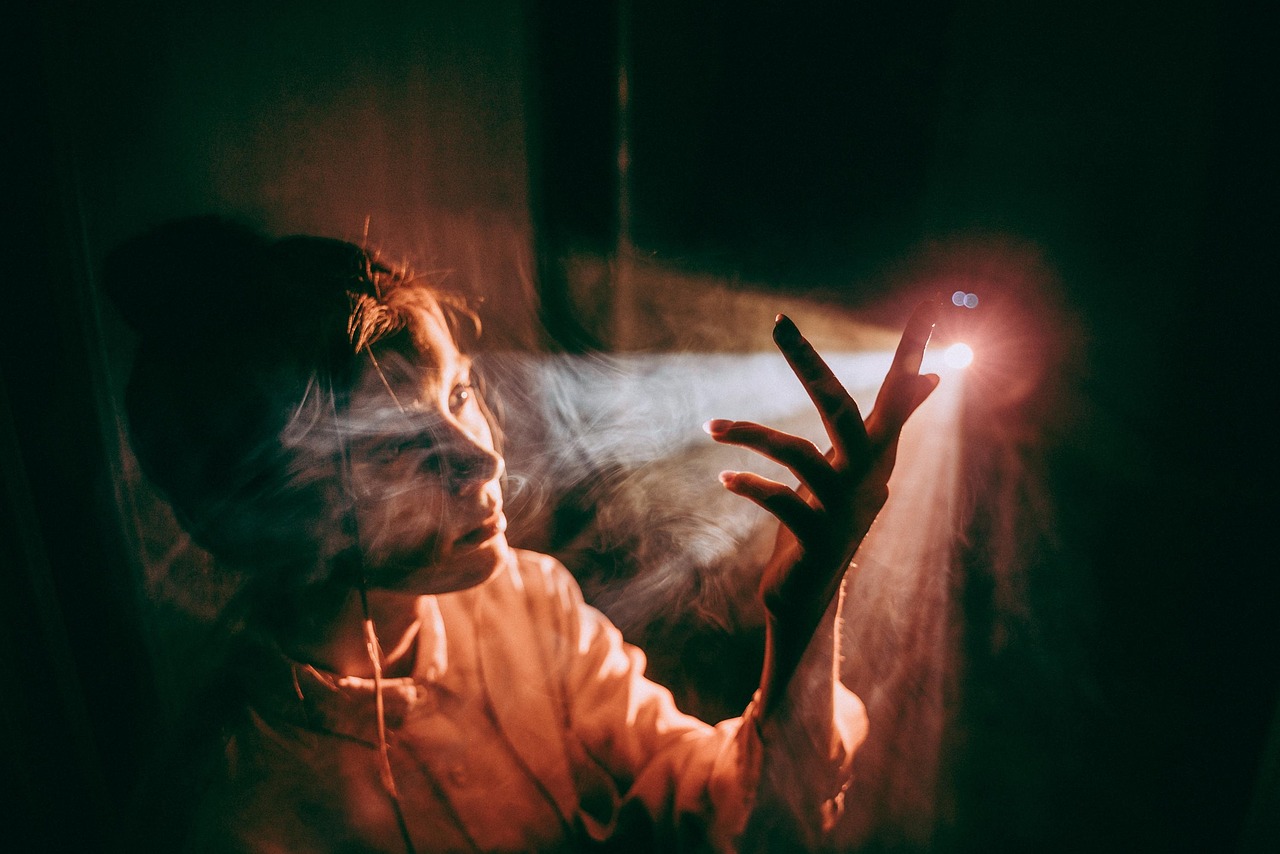

Understanding Shadows in Video Lighting
Shadows can transform your social video content, creating depth and intrigue. The strategic use of shadows captures the audience’s attention and shapes the visual narrative you wish to convey. Begin by understanding the source of lighting in your scene. Natural light can yield soft shadows, while harsh artificial lights create sharper shadows that convey a sense of urgency or tension. Experimenting with light angles alters shadow characteristics. For example, side lighting produces shadows that add drama, while backlighting can create silhouettes. Incorporating shadows not only enhances aesthetics but also guides viewer focus. When positioning your subject, consider where the light falls and how shadows interact with your scene. Ensure shadows enhance rather than detract from your message. Practice adjusting your lighting configuration to experiment with various shadow effects, noting how they influence your video’s tone. Additionally, incorporating elements such as objects between the light source and the subject can create complex shadow play. The interplay between light and shadow invites viewers into your content, offering them a rich visual experience that keeps them engaged throughout your social video.
Natural vs. Artificial Light
Understanding the differences between natural and artificial light methods is crucial in exploring shadows. Natural light offers soft, diffuse shadows that are often desired for a flattering appearance. It enhances skin tones and creates visually appealing textures that feel organic. Use this light strategically during golden hours, the period shortly after sunrise or before sunset, to gain those warm, extended shadows that enhance storytelling. In contrast, artificial light grants complete control, allowing you to create dramatic shadows intended to evoke strong emotions. Using a single spotlight can yield angular, defined shadows, whereas multiple diffused sources can soften them. When filming indoors, consider using reflectors or diffusers to manipulate light quality and spread, creating a well-lit subject while maintaining sense of shadow. Experimentation with various tools can help you find the right balance. Assessing the impact of color temperature on shadows is also essential. Cooler lights tend to create harsher shadows, while warmer lights offer softer results. Use these properties creatively in your social videos to amplify contrasts, accentuate focal areas or build a cohesive visual style that captivates your audience.
Shadow Shapes and Their Impact
The shapes of shadows play a significant role in your social video content, influencing mood and perception. Different shadow shapes can conjure vastly different emotions or atmospheres. For instance, elongated shadows can create a feeling of uncertainty or suspense, enticing viewers with the implication that something lies just out of sight. Round shapes often convey warmth and comfort, making them ideal for friendly or approachable themes. To create intriguing shapes, experiment with the position of your light sources and the objects within your frame. Shadows that overlap can add a layer of complexity to your visuals. Using gels or colored filters can alter shadows’ hues, presenting another layer for storytelling through visual means. Consider using objects with unique textures or geometrical shapes; their accompanying shadows can add a dynamic element to the screen. Additionally, shadows can guide viewers’ eyes toward focal points, drawing attention to key subjects in the video. Analyzing how various shapes affect your video’s narrative aids in reliably managing viewer emotions and enhances thematic experiences, successfully engaging your audience.
Incorporating Shadows into Composition
Effective composition is essential when using shadows creatively in video content. Viewers often respond more strongly to well-balanced visuals, where shadows complement the overall aesthetic without overwhelming it. Apply principles such as the rule of thirds while considering how shadows might intersect and influence the grid. When shadows fall on specific points, it can invite focus to those areas and create visual tension that keeps audiences intrigued. Framing your shots to include shadows can add layers that elevate the storytelling aspects of your video. For example, used effectively, shadows can create a sense of relationship between characters, or even suggest hidden motives through their positioning. Experiment with contrasting light and shadow segments within your composition to create a dynamic visual interplay. Making a conscious choice about shadow depth and intensity allows for nuanced storytelling, whether it’s through stark contrasts or gentle gradients. Shadow placement not only enhances composition but can also direct attention effectively to where it is needed. The beautiful integration of shadow with composition provides a compelling narrative element that is vital to social video success.
Post-Production Enhancements
In the realm of social video content, post-production plays a pivotal role in manipulating shadows and light further. Various editing software offers tools to enhance, tighten, or even completely reinvent shadow elements in your footage. For instance, employing curves and levels can adjust brightness and contrast dynamically, providing deeper shadows that amplify drama. This manipulation invites additional emotional responses and refines visual narratives effectively. Blur effects can also add a surreal quality to shadows, merging reality and artistic representation beautifully. Color grading your videos can transform the overall mood, impacting viewers significantly; warm, rich tones may induce feelings of comfort, while cool shades can convey tension. Adjusting shadows provides essential character and emotion to each scene. Additionally, overlaying texture filters can give shadows more depth. Subtle changes can lead to a dramatically different viewer perception. Examine your footage closely, determining which shadow aspects require fine-tuning and apply adjustments for maximal impact. Combining thoughtful production techniques with deliberate post-production enhancements ensures that shadows harmonize within your narrative throughout the social video, amplifying overall engagement.
DIY Tips for Shadow Creation
Creating captivating shadows in your social video content doesn’t require expensive equipment. There are plenty of DIY solutions you can implement to achieve professional results. For instance, utilize household items such as bed sheets or curtains to diffuse light, generating softer shadows suitable for portrait-style videos. Playing with various materials as reflectors can bounce light and create additional shadow depth where necessary. Experiment with colors; placing colored gels made from transparent materials over lights can yield stunning effects through unique shadow hues. Additionally, integrating practical effects, such as projecting patterns or light designs onto surfaces, can create captivating focal points using shadows creatively. When filming outdoors, look for interesting elements such as foliage or architectural structures that naturally create shadows to bring texture to your shots. You can build a deeper narrative and visual palette by incorporating these diverse characters. In combination with practical tips, awareness, and an open mind will wield shadows as versatile tools for storytelling, ensuring your social video content stays fresh and visually appealing to audiences.
Evaluating and Refining Your Technique
As you navigate the realm of shadows in social video content, continuous evaluation and refinement of your technique are critical. Regularly review your past work to determine which shadow approaches resonated with audiences and which did not. Engage in discussions with fellow creators or industry professionals about shadow usage, seeking constructive criticism to improve your techniques. Online workshops and materials can provide insights into advanced lighting setups and shadow applications as well. Be sure to observe trends within the social video industry as lighting and visual preferences evolve rapidly, requiring adaptability from creators. Pay attention to feedback from your viewer base; analyzing viewer engagement metrics helps inform shadow adjustments that may enhance their experience. Committing to continuous improvement fosters growth as a content creator and enriches your videos’ overall quality. Shadow techniques are about balance and experimentation; any knowledge gained can be leveraged in future projects for increased effectiveness. With each production, shadow placements become intuitive, enhancing your crafting skills while engaging viewers through enchanting visuals.
Conclusion: Shadows as Storytellers
Shadows hold significant power in social video content, serving as silent storytellers deeply woven into every frame. Their ability to influence mood, convey themes, and guide viewer attention composes an art form that every creator should master. Understanding the aspects of lighting, shadow shapes, composition, and the art of post-production will elevate your social videos significantly. Practice with different techniques, embrace experimentation, and evaluate your work while remaining open to feedback. The more you explore, the more nuanced your understanding of shadows will become, crafting visuals that resonate with audiences meaningfully and compellingly. In a saturated content landscape, using shadows skillfully can yield a distinctive style that separates your work from the rest, engaging viewers on deeper levels. Shadows are more than mere visual effects; they build relationships, clarify narratives, and enhance emotional connections. Signifying light and darkness, they underscore the complexities of human experience. The potential lies within your grasp, waiting for exploration as you breathe life into your social video content with the art of shadow manipulation.