
How Social Listening Enhances Event Experiences
In today’s fast-paced world, events must engage participants on multiple fronts. Social listening plays a crucial role in achieving this engagement. By monitoring social media platforms, event organizers can gain real-time insights into attendee sentiments. Knowing how participants feel can help in making immediate adjustments to the event experience. For instance, if attendees are unhappy with specific sessions or aspects, organizers can adapt accordingly. Moreover, collecting data from social media can highlight trending topics and interests. This information can help shape future events, making them more relevant and appealing. Social listening tools allow for tracking mentions, hashtags, and overall engagement. With a comprehensive understanding of audience perspectives, event planners can create tailored experiences. Using social media feedback, they can refine content, enhance interaction, and promote networking opportunities. Ultimately, by integrating social listening, events can become more user-focused. Attendees feel valued when their opinions are acknowledged, fostering a deeper connection with the event and its brand. Leveraging real-time feedback through social media ensures that events remain dynamic and responsive. Thus, social listening is essential for crafting memorable and meaningful event experiences.
The Advantages of Real-Time Feedback
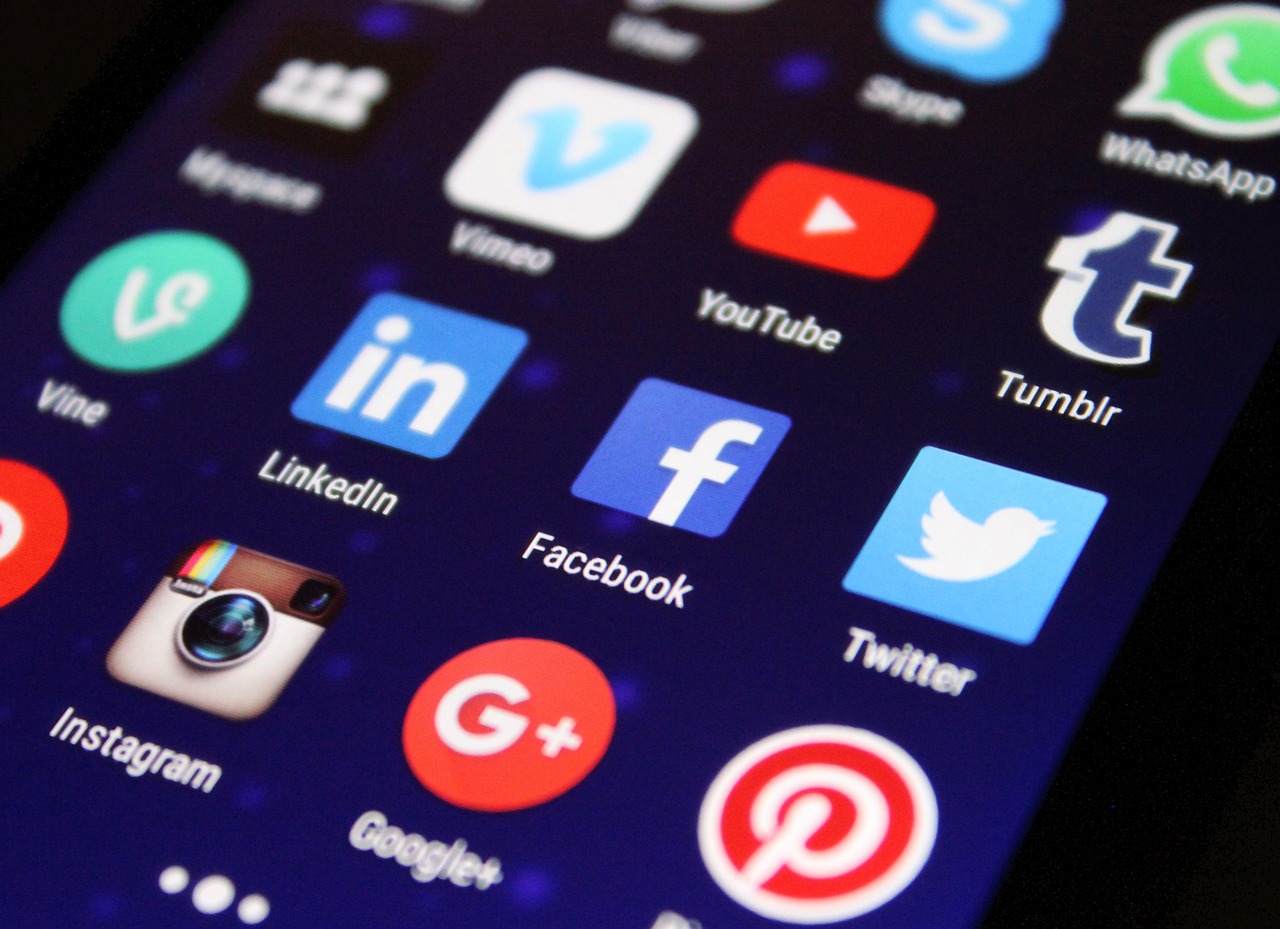
Real-time feedback allows event organizers to respond promptly to attendees, enhancing their overall experience. For instance, if guests are tweeting about a long wait at registration, organizers can act swiftly to address the issue. By utilizing social listening, teams can promptly identify negative comments and engage with attendees to resolve their concerns. This direct engagement shows that organizers care about participant satisfaction. Immediate response helps to mitigate potential crises before they escalate. Furthermore, tracking sentiment analysis provides invaluable data to assess the event’s atmosphere. It enables organizers to capture what worked well and what did not during the event. This data can be instrumental for planning future events. Additionally, encouraging attendees to share their experiences in real time fosters community interaction among participants. Creating designated hashtags for participants to share their insights can further promote engagement. Incorporating feedback from all platforms, including Facebook, Twitter, and Instagram, gives a comprehensive view. By actively participating in conversations, organizers can show their commitment to improvement and innovation. Ultimately, real-time feedback fuels meaningful engagement, makes events more dynamic, and refines the participant experience, showcasing organizers’ dedication to their attendees.
The integration of social listening into event planning also paves the way for better marketing strategies. By understanding what attendees are saying online, organizers can create tailored marketing messages that resonate with their audiences. Social media monitoring identifies influential voices, and creating partnerships with these influencers can amplify event reach. Influencer engagement encourages peers to share experiences, leading to organic promotion. Social listening not only helps in adjusting ongoing events but also aids in post-event analysis. By examining public sentiment, organizers can identify areas of success and areas needing improvement. Feedback collected serves as a blueprint for refining future events, increasing their overall impact. The insights drawn from social media interactions guide social media campaigns, email outreach, and other promotional efforts. Furthermore, engaging with participants through social media not only helps in marketing but also builds stronger relationships. Using social listening creates opportunities for interaction before, during, and after events. By leveraging attendee feedback, marketers can build long-lasting relationships that drive future attendance. Improved strategies result from insights gleaned, maximizing return on investment (ROI) and ensuring sustained interest in future offerings.
Enhancing Attendee Engagement and Networking
Social listening is essential for fostering attendee engagement and networking at events. By actively monitoring conversations on social media, organizers can identify key discussion points and trending topics among participants. This knowledge enables them to create opportunities for attendees to engage with one another in meaningful ways. For example, featuring group discussions around hot topics or facilitating meet-ups based on shared interests can significantly enhance networking experiences. Furthermore, event organizers can create interactive experiences that encourage social media sharing. Live polls, presentations, or contests can stimulate conversations among attendees online. Engaging in real-time discussions about these activities can increase visibility. Encouraging attendees to use specific hashtags can serve as a common thread for creating buzz around the event. This increased visibility can draw in more participants and create a sense of community. Additionally, monitoring social media allows organizers to identify and connect attendees who share common professional interests. Networking opportunities are more fruitful when participants interact with individuals aligned with their goals. This tailored approach to networking creates a more dynamic experience. Ultimately, social listening cultivates an environment conducive to collaboration and idea generation, enriching participants’ experiences and enabling connections.
Post-event engagement remains important, and social listening offers a pathway to keep the conversation alive long after the event concludes. By analyzing feedback during and after the event, organizers can identify trends and preferences that can inform future endeavors. Engaging with attendees even after the event shows a commitment to their experiences. Prompt follow-up through social media, thank-you messages, and satisfaction surveys can leave a lasting impression. It can help maintain relationships and ensure that participants feel valued and appreciated. Furthermore, social listening provides insights to help tailor follow-up content strategies. By analyzing attendees’ comments, organizers can curate relevant information to share, keeping interest alive. Relevant and timely information keeps attendees engaged and resonates with their interests. Sharing highlights, pictures, or testimonials from the event encourages further interaction among participants. Maintaining an active presence on social media allows organizers to stay connected with attendees. This ongoing interaction builds a community around the venue or brand. Continuous engagement fosters an atmosphere of collaboration and sharing. Ultimately, effective post-event strategies supported by social listening directly impact future event attendance and success, guaranteeing lasting relationships.
Maximizing Event Brand Recognition
Social listening contributes significantly to maximizing event brand recognition through strategic engagement. By monitoring conversations and mentions online, organizers can better understand brand perception among audiences. Timely recognition of trends allows brands to adjust their messaging according to audience interests. Engaging actively on social media enhances brand visibility, as participants feel more connected to the event. Regular updates and interactions can turn occasional attendees into loyal supporters of the event. Furthermore, organizers can analyze which platforms yield the most conversation and traction among participants. Optimal engagement strategies can be developed based on these insights. Enhancing brand recognition is not solely about responding to negative comments; it also involves celebrating positive feedback. Highlighting attendee experiences and testimonials online boosts credibility and value. Sharing user-generated content creates authenticity that resonates with potential attendees. Social media channels, including Facebook, Instagram, and LinkedIn, become platforms for showcasing the event’s uniqueness. By crafting tailored messages that derive from social insights, brands can establish themselves as thought leaders within their industries. Ultimately, the combination of social listening and engagement strategies increases brand equity and recognition, ensuring lasting visibility and relevance.
Integrating social listening into event experiences proves to be a transformative approach to elevate attendee satisfaction and engagement. By understanding attendee sentiments in real-time, event organizers can adapt and respond to needs as they arise. This ongoing dialogue between participants and organizers allows for a more immersive experience, where attendees feel valued and prioritized. Active participation fosters a sense of community, leading to deeper connections and sustained engagement. Furthermore, learning from social media interactions builds a feedback loop that informs not only immediate event improvements but also future planning. Each event becomes an opportunity for growth and enhancement. Through strategic use of social listening, organizers can cultivate an environment where attendee voices matter. Enhanced networking opportunities and meaningful connections arise from informed, tailored engagements. Additionally, the data collected serves as a valuable resource for refining branding and marketing strategies, ensuring ongoing brand relevance in a competitive landscape. Ultimately, social listening provides insights that bridge the gap between attendees and organizers. By prioritizing participant feedback, events can become dynamic experiences that resonate with audiences and exceed expectations. Investing in social listening processes is essential for creating memorable and impactful event experiences.