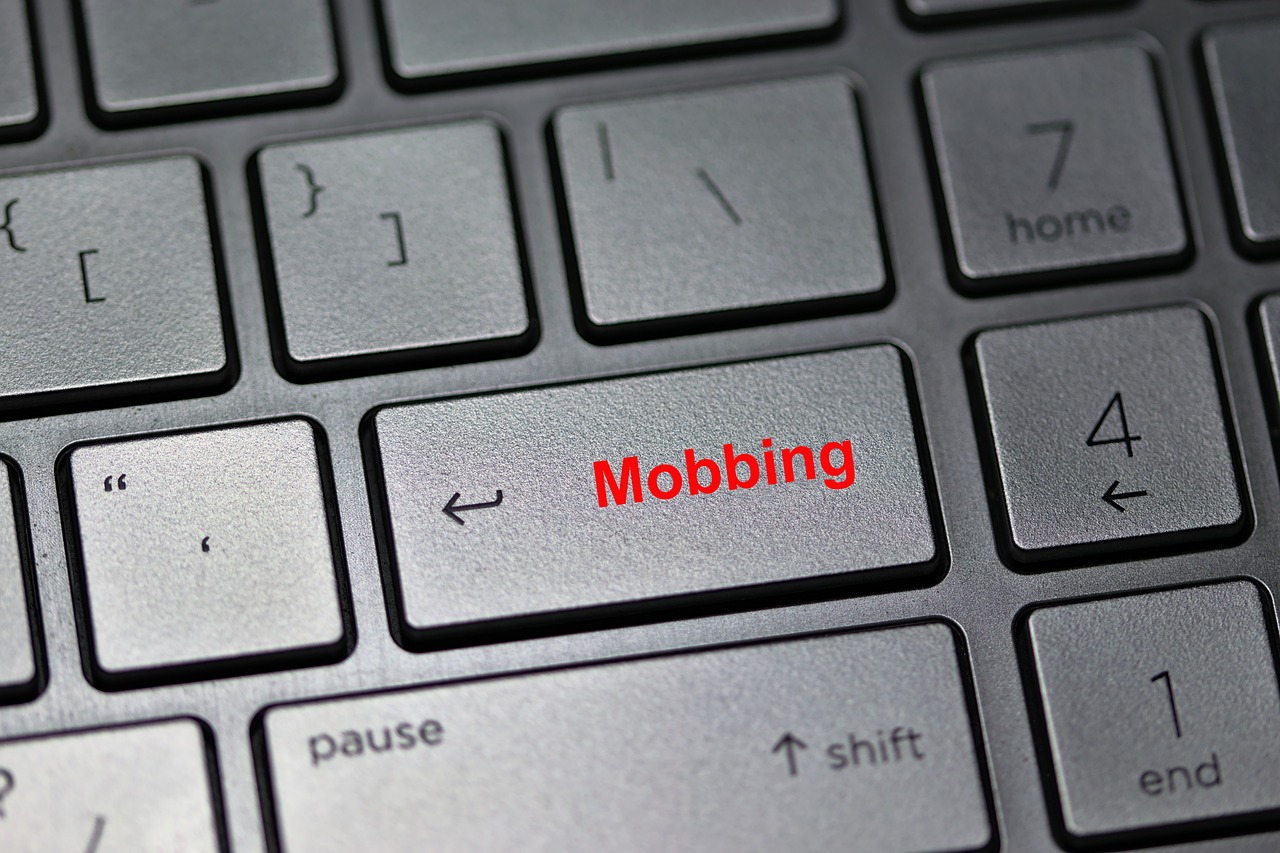

Identifying Subtle Forms of Trolling and How to Avoid Them
In the digital age, social media has become a platform for expression, interaction, and connection. However, it also provides a stage for subtle forms of trolling. Trolling refers to deliberately provoking negative reactions from others online. This practice can manifest through various behaviors, including passive-aggressive comments, feigned ignorance, or seemingly innocent jabs that carry an undercurrent of malice. Such forms can be harder to spot than outright attacks, complicating the environment for genuine conversation. Being able to identify these behaviors is crucial for maintaining a positive experience on these platforms. One common subtle tactic is the use of sarcasm masked as humor, which may confuse the recipient and lead to unproductive discussions. Additionally, invoking sensitive topics can turn a light-hearted exchange into a more contentious one. Ultimately, understanding the nuances of trolling helps users to stay aware and discern between constructive criticism and negativity. Observing language and tone critically allows for more enlightened engagement and helps cultivate healthier online environments. Recognizing these signs early can empower users to respond effectively or disengage from potentially toxic interactions.
Moreover, subtle trolling often involves comments intended to undermine someone’s self-esteem or credibility. Manipulators may apply pressure to elicit specific emotional responses that benefit their agenda. This can be seen in various contexts, such as political debates or personal opinion discussions. The implications of recognizing such language and behavior cannot be overstated, as they imbue discussions with negative energies that can deter healthy exchanges. For example, a user may claim they are merely sharing a differing opinion while actually using veiled insults to provoke a reaction. Being able to decode these messages is essential. Building self-awareness around what specifically triggers sensitive areas in conversations is fundamental for respecting oneself and others. Establishing clear personal boundaries can also prevent oneself from falling victim to subtle troll attempts. Addressing toxic comments directly or choosing not to engage are viable strategies to minimize their impact. Additionally, aim to cultivate a supportive online community that values transparency and integrity. Taking proactive steps reinforces positive connection while effectively mitigating the effects of trolling in our digital experiences.
Observing User Behavior
Another essential aspect of combating subtle trolling is observing user behavior over time. One may notice patterns of behavior from certain users, which might indicate their tendency to engage in trolling. Such behaviors can often be incremental, moving from seemingly harmless remarks to more aggressive trolling techniques. If someone continually makes dismissive comments, it might be time to reassess their role in your online circle. Honest reflection about digital relationships leads to healthier engagement. Documenting questionable interactions can serve as a protective measure against sophisticated trolling methods that exploit feelings of isolation and despair. It is critical to understand that trolling can wear many masks, and familiarity with these nuances builds strong defenses. Moreover, allowing trolls to thrive unchecked can create a hostile environment over time. Encouraging frank discussions about these behaviors among your peer groups can cultivate awareness, leading to collective resistance against trolling. Analyzing the impact and discussions surrounding a specific user can reveal their intent, potentially safeguarding against deception. Ultimately, encouraging an open dialogue about these issues can foster a culture that prioritizes positivity over negativity.”},{
Additionally, when faced with trolling, it’s critical to remain balanced emotionally. The goal is not to emotionally react but rather to assess the situation calmly. This method allows you to categorize interactions appropriately while prioritizing your mental well-being. Taking a step back to evaluate the trolling comments can reveal underlying motivations; indicating that some users might troll due to boredom or need for validation. Establishing one’s emotional boundaries further protects from these unwanted interactions. Knowing when to disengage becomes a powerful tool for preserving authority over your space, allowing only the dialogues that contribute constructively. Additionally, adopting guidelines about what constitutes acceptable behavior in online conversations can contribute to community standards. These standards act as reference points in moderating interactions and flagging trolling behavior when necessary. Allowing for safe spaces where understanding thrives can quell the potential for escalation due to trolling tactics. As we navigate these challenges, it becomes paramount to rally support from online community members, contributing to the shared goal of fostering respectful discourse. Strengthening solidarity against trolling makes everyone involved feel empowered within their interactions.
Empowerment Through Education
Empowering users through education is paramount to combatting trolling. Providing insightful resources that elucidate the nuances of trolling can enhance awareness. This could include workshops, informational blogs, or group discussions on recognizing and avoiding trolling behaviors. Equipping individuals with the necessary knowledge creates more resilient online communities. Furthermore, offering training on how to communicate effectively promotes a culture of understanding and respect among users. On social media platforms, creating educational content about how to manage trolling effectively can offer immediate relief for users encountering negative interactions. A shared commitment to understanding trolling fosters unity, leading to constructive conversations that negate the existing negativity. Users who are shown how to react skillfully will be less inclined to fall prey to trolls’ tactics. Indeed, facilitators should emphasize accountability, reinforcing that everyone has a responsibility in maintaining a supportive atmosphere online. Promoting a proactive stance toward healing the online environment encourages more users to speak out and support one another. Finally, fostering a deeper connection among users can strengthen community resilience, building an environment where trolling is discouraged and positive discourse flourishes.
Finally, learning to report behavior deemed as trolling is fundamental to mitigating its prevalence. Social media platforms often provide mechanisms to report users whose activities fall outside established guidelines. This process allows users to take an active stance in maintaining integrity within online communities. By promptly reporting subtle trolling behaviors, users can contribute to a safer environment for everyone. Moreover, encouraging users to document their negative experiences can build empirical evidence against specific offenders. This data can lead to improved community standards and discussions around long-term solutions. Furthermore, becoming part of a collective that actively rejects trolling transforms individuals into advocates for healthier conversations. Encouragingly, online platforms continue evolving their policies, reflecting user-generated concerns while setting standards for acceptable behavior. Engaging with these platforms around common goals fosters transparency and creates a sense of ownership among users. Ultimately, by reporting inappropriate behaviors, users reinforce collective responsibility and promote decorum online. For a more supportive social media reality, individuals must collaborate and actively work against all forms of trolling, however subtle they may be.
In summary, understanding subtle forms of trolling and developing methods to counteract them is essential for a healthy social media experience. Users should sharpen their awareness of language and tone, empowering them to recognize and address disturbing interactions. In addition, it is vital to create educational resources and supportive communities that prioritize clarity and respect during discussions. Observing user behavior, taking care of emotional boundaries, and reporting offensive trolling will enhance everyone’s online interactions. In doing so, we foster a positive and enriching atmosphere for genuine engagements and relationships. Encouraging accountability among peers nurtures a culture that speaks against negativity, reinforcing resilience across social networks. Ultimately, staying vigilant against subtle trolling can drastically improve the quality of conversations and connections in the digital realm. Everyone is worthy of engaging in online spaces where empathy, understanding, and growth coexist. Fostering resilience requires collective effort to ensure social media thrives as an enriching tool rather than a source of conflict and confusion. This commitment reflects the values of communication, unity, and respect, which are pivotal in creating a positive and fulfilling online environment.