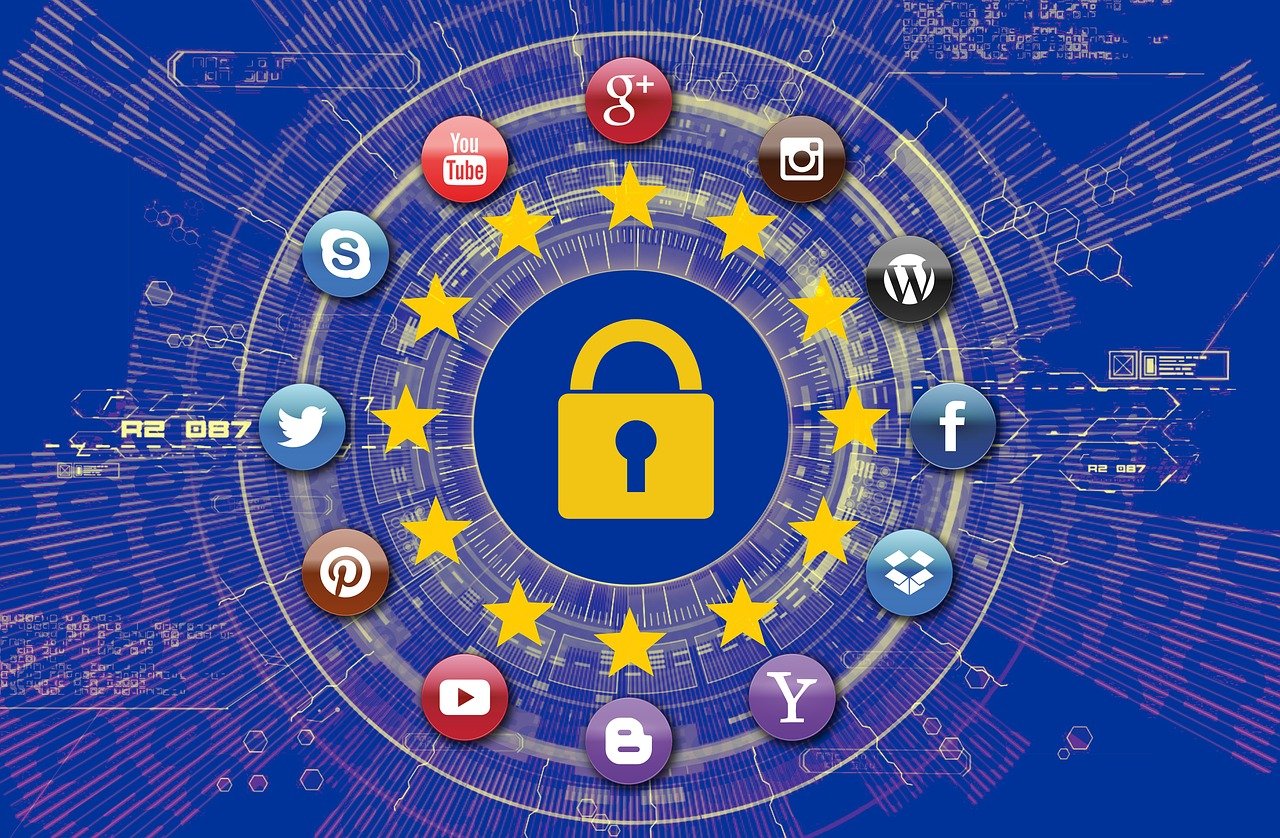

Using Hashtags Responsibly: Protecting Privacy on Social Media for Nonprofits
In the digital age, nonprofits rely heavily on social media platforms to raise awareness and promote their causes. However, while engaging online audiences effectively, they must prioritize privacy and data protection for individuals and communities. Responsible use of hashtags is one crucial aspect of achieving this balance. Hashtags can amplify a nonprofit’s message by reaching a broader audience, but they must be used thoughtfully. Without proper consideration, organizations risk unintentionally compromising the privacy of those involved in their efforts. When using hashtags, it is vital to avoid disclosing sensitive information about individuals. This could involve stories regarding their backgrounds, challenges, or any other identifiable details that may violate their privacy rights. Nonprofits should foster a culture of confidentiality and respect for personal data. A transparent approach should guide all communications and messaging strategies. Nonprofits should ensure that anyone involved is informed and consents to sharing certain information. Ultimately, prioritizing privacy is not just a legal responsibility but also an ethical one that builds trust and credibility.
Understanding Hashtags and Their Impact
The impact of hashtags in social media outreach cannot be underestimated, especially for nonprofits aiming to generate support and engagement. Hashtags serve as keywords that categorize content, making it easily discoverable by others interested in similar topics. It is crucial for nonprofits to understand the implications of using specific hashtags related to their missions. Often, hashtags can tie individual users to specific campaigns, and this visibility can expose these individuals to varying levels of scrutiny. Therefore, a responsible approach to hashtag use requires diligence in researching trending tags before adopting them. Moreover, nonprofits can benefit from creating unique hashtags that represent their specific missions, further enhancing their branding while keeping users’ privacy intact. Using generic hashtags may inadvertently link the organization to broader discussions that could expose sensitive data or opinions about individuals involved. Furthermore, organizations should monitor the broader conversation surrounding these hashtags to ensure alignment with their values and objectives. By being proactive in hashtag strategy, nonprofits can better protect their constituents while successfully mobilizing public support for their causes.
Additionally, nonprofits should consider employing alternative strategies when promoting their messaging digitally. Engaging visual content can often communicate the intended message more transparently without compromising individual privacy. For instance, utilizing infographics or videos that share general statistics and insights about their work can inform audiences without disclosing personal stories. This strategy provides a pathway to audience engagement in a way that prioritizes confidentiality. Visual storytelling allows nonprofits to celebrate achievements and highlight critical issues without compromising individual privacy. Similarly, nonprofits should encourage community members to share their experiences while offering them the choice of anonymity or using only their first name. This can help maintain a level of privacy while still humanizing their initiatives. Furthermore, partnerships with local news organizations or influencers can effectively amplify these stories while also safeguarding original participants’ identities. Nonprofits must recognize the ethical responsibility of guarding personal information. Adopting these practices strengthens the organization’s integrity and demonstrates a commitment to protecting vulnerable populations while creating a lasting impact.
Educating Staff and Volunteers
Implementing a privacy-conscious approach within a nonprofit requires staff and volunteer engagement. Education and awareness about how to use social media responsibly remain paramount. Comprehensive training sessions can be invaluable in informing team members about data protection and privacy relevance. This training should encompass the responsible use of hashtags, the importance of user consent, and the implications of oversharing personal stories. Furthermore, educating staff on potential risks and cultivating a culture of accountability will empower them to make better decisions online. Nonprofits should establish clear social media guidelines, which can then be disseminated throughout the organization. These guidelines serve as a reference point for best practices and ethical standards when engaging with the online community. Regular workshops should also be held to refresh these principles and provide updates on evolving regulations regarding data protection. Beyond just the staff, engaging volunteers in this process enhances community trust and reinforces the nonprofit’s commitment to privacy. Ultimately, fostering a knowledgeable and ethically aware team will create a safer social media environment for nonprofits and their supportive communities. Such efforts lead to not only better outreach strategies but also safer experiences.
Furthermore, nonprofits should proactively engage their audiences in conversations about privacy and user data. Opening channels for dialogue can empower supporters and build mutual trust. By creating surveys or feedback forums, organizations can collect insights from users about their feelings toward data privacy. Engaging with supporters on this topic emphasizes that the organization values their input and is committed to their protection. This two-way communication strengthens community dynamics and offers nonprofits opportunities to explain their privacy practices transparently. In addition, these measures can create awareness among followers, helping them make informed decisions about their engagements on social media. Nonprofits might also collaborate with data protection experts or legal advisors to provide audiences with tools and resources for safeguarding their information on social media platforms. This proactive approach not only safeguards individuals’ data but also positions the organization as a leader in ethical data practices. In a world where data breaches are commonplace, nonprofit transparency becomes a critical characteristic that attracts and retains supporters. Ultimately, it cultivates trust and loyalty towards the organization, strengthening its mission in the long run.
The Role of Policy and Compliance
To ensure responsible use of hashtags and effective data protection, nonprofits must adhere to established policies and comply with various regulations. Understanding the legal frameworks surrounding privacy and data usage can greatly benefit these organizations in their social media practices. Many regions have introduced regulations, such as the General Data Protection Regulation (GDPR) in Europe, which govern how organizations handle personal data. Nonprofits should familiarize themselves with these practices to avoid legal repercussions and assure their communities of their commitment to ethical practices. Implementing robust policies is also vital for navigating the complexities of social media interactions. Nonprofits may consider creating a formal privacy policy that outlines how data will be collected, stored, and used. This policy can also establish guidelines for staff and volunteers to follow when interacting with social media. Keeping such policies accessible and transparent reinforces the nonprofit’s standing within the community and emphasizes accountability. Regular audits and assessments of these policies will enable organizations to remain compliant and serve the interests of those whose data they are entrusted with. Adapting to evolving legal landscapes ensures that nonprofits maintain best practices surrounding privacy and sector-wide standards.
Lastly, regular assessment of social media strategies and their implications should be part of a nonprofit’s long-term planning. These evaluations can help organizations identify areas for improvement and innovation, ensuring that processes continually align with ethical data usage. Setting key performance indicators (KPIs) that relate directly to privacy and social media engagement can facilitate a comprehensive understanding of privacy-related impacts. Additionally, nonprofits can actively seek feedback both internally and externally to gauge the effectiveness of their communication strategies and data protection measures. Developing a culture of reflection and open dialogue increases accountability and progress towards upholding privacy rights. Moreover, staying updated on trends and shifts in public sentiment regarding data privacy can inform these strategies as they evolve. Learning from past experiences, as well as the practices of other organizations, can yield valuable insights and improve overall effectiveness. Ultimately, nonprofits play a pivotal role in advocating for ethical social media use, balancing impactful messaging with a steadfast commitment to protecting individual privacy. This approach can lead to sustainable engagement and a greater societal impact.
In conclusion, nonprofits tread a delicate line in their use of social media, particularly regarding hashtags. These elements can significantly enhance visibility but also pose serious privacy concerns if not handled professionally. Responsible practices, such as the ones articulated in this article, are vital for building trust and security with supporters. Establishing solid privacy policies, training staff and volunteers, and engaging the community are effective techniques for ensuring privacy on social media. As organizations strive to maximize their reach, they must balance this aim with ethical considerations. The impact of privacy breaches can be detrimental not only to affected individuals but also to the nonprofits that serve them. As such, creating a culture of awareness and respect surrounding data privacy in social media practices becomes crucial. In doing so, nonprofits will not only adhere to regulations but will foster deeper connections with their audiences. Consequently, this leads to a more engaged community and enhanced support for critical causes. By using hashtags responsibly, nonprofits can harness the power of social media as a tool for positive change while maintaining the highest privacy standards. This effort reflects a commitment to ethical practices and social responsibility that resonates within the community.