
How to Optimize Your Camera Settings for Vlogging
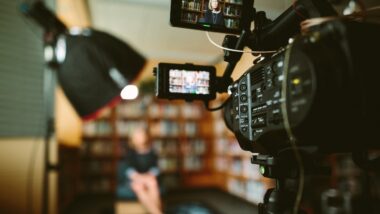
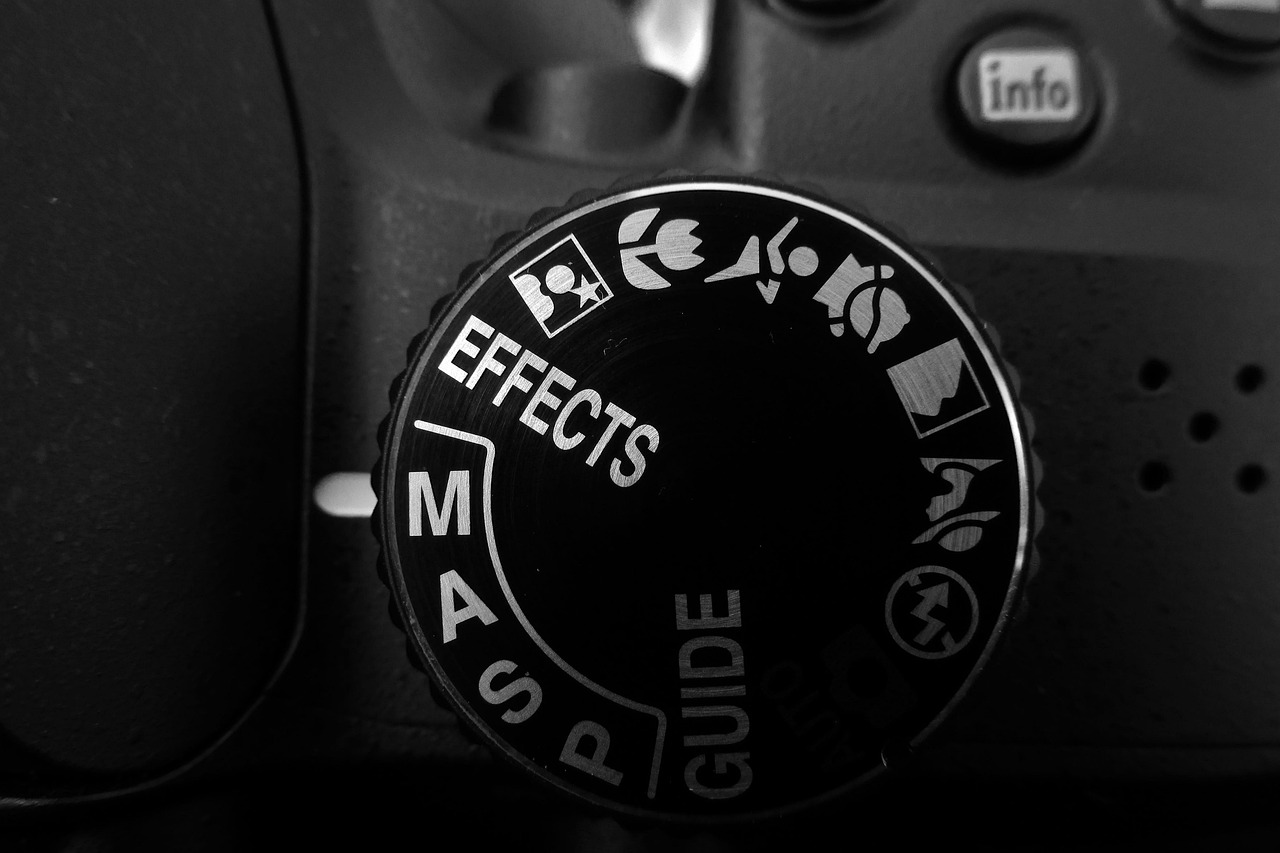
When creating video content for YouTube, having the right camera settings is crucial. Proper optimization ensures your videos are visually appealing and maintain high production quality. Start by adjusting the resolution settings. For most YouTube videos, shooting in 1080p or 4K is recommended. Higher resolutions provide more detail and clarity in your footage, enhancing viewer engagement. Another significant aspect is frame rate, with 24fps suited for cinematic looks and 30fps for standard vlogs. Consider the shutter speed as well; a general rule is to set it at double the frame rate. This helps in achieving natural motion blur and smooth movements. Don’t forget about aspect ratio; YouTube predominantly uses 16:9, which fits most screens seamlessly. Also, maintaining consistent lighting is essential, so always check your white balance and adjust according to your environment. Use manual settings instead of automatic ones to gain better control over exposure, shutter speed, and aperture. Lastly, remember to test your audio levels before recording, ensuring sound quality matches your visual quality. This attention to detail will make your vlogs more professional and visually attractive, hence attracting more viewers.
After optimizing your camera settings, it’s pivotal to consider the importance of lighting. Natural lighting is often the most flattering and can significantly improve the quality of your footage. Plan your shoots during the day to utilize soft sunlight, which creates a more welcoming atmosphere in your videos. However, if you’re filming indoors or during evenings, invest in good quality softbox lights or ring lights to eliminate harsh shadows. Position your light source in front of you to achieve that ideal “lit” look. In addition to lighting, the background of your videos plays a vital role. Choose a clean and simple backdrop or an interesting environment that reflects your personality. A clutter-free background helps keep the focus on you and the content you are delivering. If necessary, utilize background blur techniques when filming. This directs attention towards you while creating a professional aesthetic. It’s beneficial to scout locations in advance, ensuring familiarity with varying light conditions and sound environments. Always test shots to see how everything looks together, optimizing not just your settings but also your overall filming space. Include these aspects to elevate your vlogs significantly, standing out in the crowded YouTube space.
Choosing the Right Frame Rate
Another essential setting when vlogging is choosing the appropriate frame rate. Frame rates can often alter the mood and pace of your footage. For example, shooting at 30 frames per second (fps) provides smooth and lifelike motion, perfect for dynamic content and talking-head vlogs. Alternatively, opt for 60fps if capturing fast action or sports, as it provides more fluid movement. If you’re inclined to create cinematic content, 24fps is the most popular choice among filmmakers, offering that movie-like quality. Always consider your subject matter and the look you’re aiming for when selecting a frame rate. Remember, consistency in the frame rate is key, so avoid mixing different frame rates in the same project; it can lead to undesirable effects. Post-production adjustments can be limited when different frame rates are used, which may detract from the overall viewing experience. Regularly experimenting with different frame rates, and observing which resonates most with your audience can be a game-changer. Understanding how frame rates impact visual storytelling is crucial for elevating your vlogging game and keeping viewers hooked on your content.
Exposure settings are another critical element in achieving high-quality video. Proper exposure ensures that your footage neither appears too dark nor is overwhelmed by brightness. Utilize manual settings to control the aperture, shutter speed, and ISO. A good starting point for aperture is f/4 or f/5.6, ensuring sufficient depth of field while also maintaining regular lighting. Your shutter speed should generally be double the frame rate, ensuring that fast movements appear smooth and natural. ISO can affect the overall brightness and should be kept as low as possible to avoid graininess. However, in low-light situations, you may need to adjust your ISO to maintain balance. It’s important to test these settings before each shoot, as lighting conditions can change. Use your camera’s histogram to help determine a well-balanced exposure; aim for even distribution across the histogram graph. This will guide you in fine-tuning your settings for optimal results. Experimenting with exposure settings not only enhances your video quality but also lets you express your artistic vision through your work. Take time to develop a well-suited shooting method that consistently catapults your content quality.
Utilizing Audio Settings
Great video quality goes hand in hand with top-notch audio; therefore, audio settings must also be optimized for vlogging. Utilizing an external microphone instead of your camera’s built-in microphone can dramatically enhance your audio quality. There are many types of microphones to choose from: lavalier, shotgun, and handheld — each suited for different recording environments and styles. Lavalier microphones are ideal for interviews, providing clear sound while remaining unobtrusive. Shotgun microphones are excellent for on-the-go vlogging, focusing on your voice while minimizing background noise. Check your audio levels before starting your recording session to avoid distortion, ensuring your voice is clear and at the forefront. If filming outdoors, be cautious of wind noise; consider using a windscreen to keep your sound crisp. Always save a few moments of silence at the beginning of your recording for easier audio editing in post-production. Take advantage of your camera’s or recording equipment’s audio monitoring features, allowing real-time adjustments for superb quality. High-quality audio not only enhances your viewer experience but also establishes you as a professional creator in the competitive YouTube landscape.
In the age of social media and video sharing, maintaining a high production quality requires consistent practice and learning. Therefore, it’s essential to continue refining your skills by consistently shooting and experimenting. Whenever you upgrade your gear or software, take time to learn how to optimize these new tools effectively. Studying tutorials can offer insights into harnessing advanced features or unique settings to distinguish your style from others. Join communities of content creators who can share experiences, tips, and feedback to develop your understanding further. Engaging with other creators not only provides motivation but valuable advice tailored to your specific needs. Try creating various types of content, from tutorials to travel vlogs, testing different settings tailored for each. Document your progress and note improvements, as reviewing past work provides an opportunity for growth. Remember that becoming proficient in camera settings takes time and experience, so patience is essential. By putting consistent effort into improving your shooting technique and exploring new ideas, you can create captivating content that resonates well with your audience. This process can significantly enhance your enjoyment and lead to growth in your vlogging journey.
Final Thoughts on Camera Optimization
Lastly, always remember that the best camera settings cater to your unique style and brand. While guidelines exist, personal flair and creativity are what viewers truly want to experience. Always conduct test shoots to ensure you’re familiar with how different settings affect the final product. Regularly reviewing and evaluating your footage will empower you to make informed decisions for future projects. Stay updated on the latest techniques and trends by participating in online forums and workshops focused on video production. YouTube offers endless resources from established creators sharing their knowledge, while practical applications yield the best results. Ultimately, consistency is key; adhere to your unique vision while leveraging your optimized settings. A well-thought-out blending of technique and personal touch will lead to vlogs your viewers will love. Furthermore, as your skills evolve, don’t hesitate to revisit and reinvent your shooting style. Integrating new techniques will keep your content fresh and engaging. By focusing on optimization without losing sight of your creativity, you’ll find a successful balance in vlogging that will resonate with your audience and grow your channel.