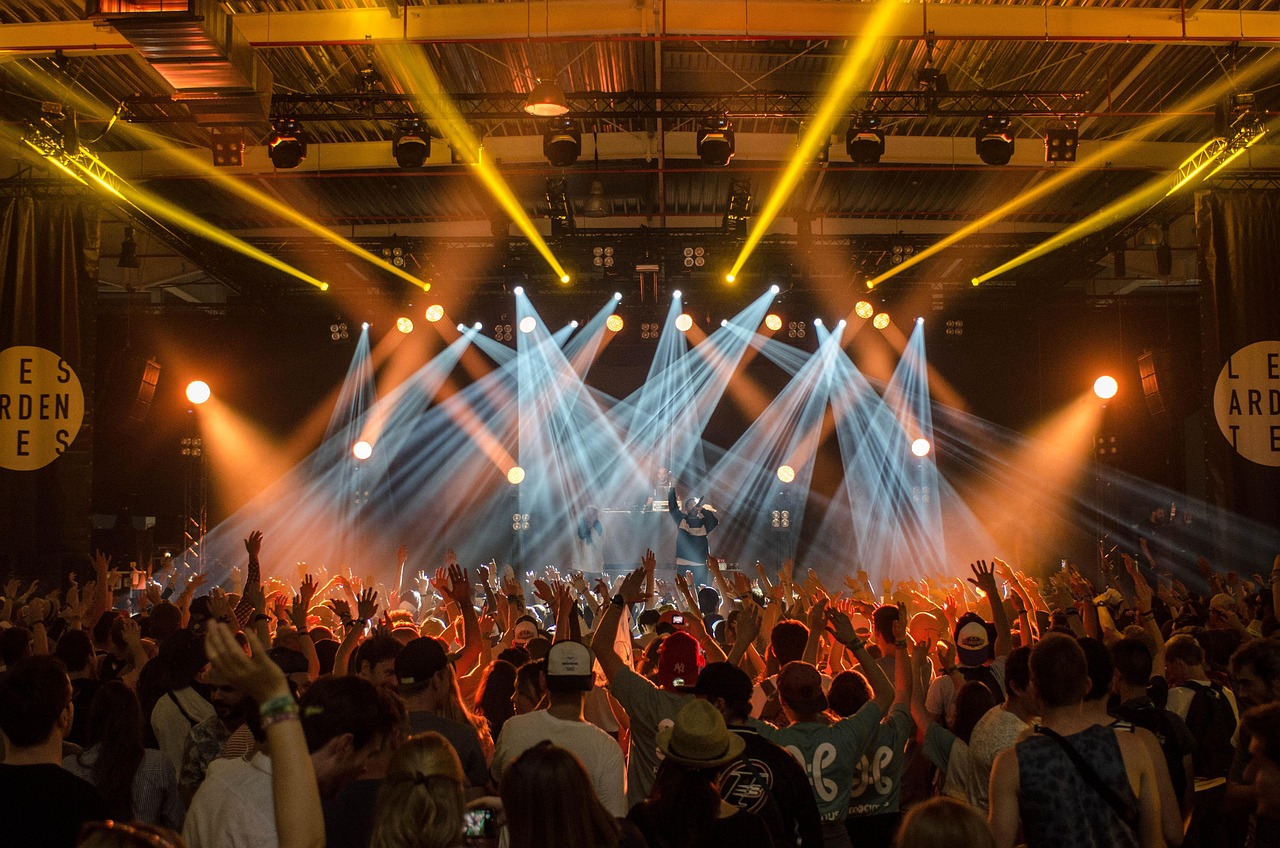

Using Visual Storytelling to Optimize Event Images for Social Sharing
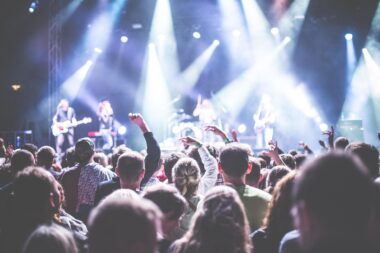
Visual storytelling is crucial when it comes to optimizing event images for social sharing. To maximize engagement, it’s essential to curate images that not only look appealing but truly convey the essence of the event. Each image should tell a story, resonating with the target audience while representing the brand identity effectively. An ideal image captures the excitement and atmosphere of the event, enticing viewers to share their experiences online. Utilize high-resolution images featuring key moments from the event, such as attendees enjoying activities, speakers delivering impactful messages, or behind-the-scenes action. The emotional connection created through these visuals amplifies the likelihood of shares. In addition, consider using tools for image editing that enhance the core details without compromising their authenticity. Adding subtle branding, like logos or event hashtags, to the images can further strengthen brand recognition. Furthermore, using engaging captions alongside these images can create a narrative context, encouraging interactions on social media platforms. Collect and analyze feedback to understand which images perform best in terms of engagement, thus optimizing future image selections for even better results.
To start, consider the dimensions and aspect ratios required by various social media platforms. Each platform has established guidelines for optimal image sizes that ensure clarity and high quality. For example, an image shared on Instagram typically performs best with a square shape, while Facebook may lean towards landscape or portrait formats depending on the content. Having the right dimensions minimizes the risk of automatic cropping, which can detract from the visual impact of the story being told. Branding elements, such as colors or fonts, should align with your event’s theme without overwhelming the image. Additionally, think about accessibility — including alt text for image descriptions allows visually impaired users to engage with your content. Social sharing becomes more inclusive when everyone can appreciate the visual narratives presented. Use compelling, high-quality images that retain their essence even in reduced formats. It is also helpful to create a library of optimized images that can be repurposed multiple times across different campaigns. Understanding how each platform treats image content — be it in feeds or stories — substantially improves the effectiveness of your visual storytelling.
Enhancing Engagement with Infographics
Incorporating infographics into your event image strategy can significantly boost social sharing. Infographics not only present information in an engaging way but also cater to the growing demand for visual content. Simplifying complex data or event highlights into digestible pieces enables audiences to absorb information quickly, enhancing their interest across social platforms. Use vibrant colors and appealing graphics to draw attention while maintaining brand aesthetics. Infographics can illustrate event statistics, speaker profiles, or key takeaways in an easily sharable format. Think about combining images with textual elements to form cohesive narratives that educate as well as entertain. When creating infographics, focus on clarity and simplicity; overly busy designs can deter engagement. Studies show that posts with infographics generate up to three times more shares than standard image posts. Additionally, make sure these infographics are optimized for mobile viewing since a large portion of social media activity occurs on smartphones. Use tools like Canva or Piktochart to design professional-looking infographics tailored to your audience’s preferences. The increased engagement from the social community becomes an invaluable asset in amplifying your event’s reach and impact.
Another strategy involves leveraging user-generated content (UGC) to enhance your event images. Inviting attendees to share their photos creates a more authentic and relatable narrative around the event, often leading to richer engagements. Encourage users to tag your event’s official social media profile or use a specific hashtag, feeding the social sharing cycle and providing a constant flow of fresh content. Highlighting these user-generated images on your own profiles builds a sense of community and connection among attendees. It also allows your brand to showcase the event experience from participants’ perspectives. The trust factor in UGC typically leads to higher engagement rates compared to branded content. Hosting contests or features, where the best user-generated content gets highlighted, can incentivize attendees to capture and share their moments. Additionally, curating these user photos alongside your official event images creates a comprehensive portrayal that represents the full spectrum of the experience. When it comes to the optimization of visuals for social sharing, UGC can be an often overlooked goldmine that adds humanity and relatability, making any event unforgettable.
Crafting Compelling Captions
Complementing images with compelling captions is another essential facet of visual storytelling. Captions provide context and depth to an image, helping the audience understand what they are viewing while inviting engagement. Utilize elaborate descriptions that convey the message or emotions captured within the image. Engage your audience with questions or calls-to-action that encourage comments and shares. For instance, asking followers about their favorite moment at the event can inspire conversations and enthusiasm. Phrase captions to evoke curiosity while remaining true to your brand voice, making sure they align with the overall visual narrative. Smart use of hashtags can significantly increase your content’s discoverability; analyze trending hashtags related to your event or niche while balancing brand-specific tags. Incorporate engaging storytelling elements into your captions to draw readers in. Audiences are more likely to interact with content that resonates with their interests and feelings. Also, consider testing various caption lengths to identify what resonates most with your audience. Optimize captions according to platform performance metrics to boost overall engagement rates. This approach interacts effectively and deepens the experience between the audience and the event.
It’s crucial to ensure all images are optimized for swift loading through compression without sacrificing quality. Optimizing file sizes helps with faster uploads and can result in better performance metrics on social media. Compression techniques can slightly reduce file sizes by eliminating unnecessary data, ensuring images load quickly on mobile platforms. Take advantage of tools like TinyPNG or ImageOptim to compress photos without losing visual quality. Keeping your content light and swift enhances the user experience exponentially. Social media algorithms also favor posts that lead to quicker loading times, generating additional visibility. Additionally, ensuring a consistent visual theme across shared images builds a strong brand identity that users can recognize instantly. Adopting a uniform style regarding colors, filters, and graphic elements can synergize your event’s branding and improve overall aesthetic appeal. Consider aesthetic elements that capture the event’s themes while being mindful of diverse audience preferences. Visual cohesiveness transcends single posts, creating a unified experience whether browsing through a feed or visiting an event profile. Prioritize balancing speed, quality, and branding in your social sharing strategy, significantly impacting engagement success.
Monitoring and Analyzing Results
Lastly, monitoring and analyzing the performance of optimized images can guide future image strategies effectively. Use social media analytics tools to track engagement metrics such as likes, shares, and comments for each image. Understanding which images resonate with audiences can provide insights into visual preferences and content trends. Pay attention to metadata associated with image performance, which can reveal engagement patterns over time. Trial different image types – such as portraits, group shots, or candid moments – and document responses to these variations. This data-driven approach enhances ongoing image optimization efforts. Use A/B testing to compare different approaches, such as using captions versus no captions, or different styles, to understand audience engagement better. This form of analytical monitoring ensures your event imagery remains relevant and appealing. Take feedback from the audience into account to refine your image strategies as well. Utilizing tracked performance can inform decisions that build stronger connections with your audience, ultimately making the visual storytelling even more compelling. Elevating event image optimization not only enhances social sharing but extends the event’s reach and lasting impact.
Emphasizing these strategies will significantly improve the impact of event images shared on social media. Building a visual narrative through storytelling becomes an essential aspect of engagement optimization. By employing techniques like user-generated content, effective captions, and thorough optimization practices, you can ensure your event’s presence resonates strongly within digital spheres. Given the fast-paced nature of social media, capturing hearts and minds with compelling visuals can lead to remarkable amplification. Enhance your strategy by consistently integrating lessons learned from analytics to stay adaptable in an ever-evolving digital landscape. With commitment and creativity, you finally can elevate the art of visual storytelling and transform how audiences engage with your events.