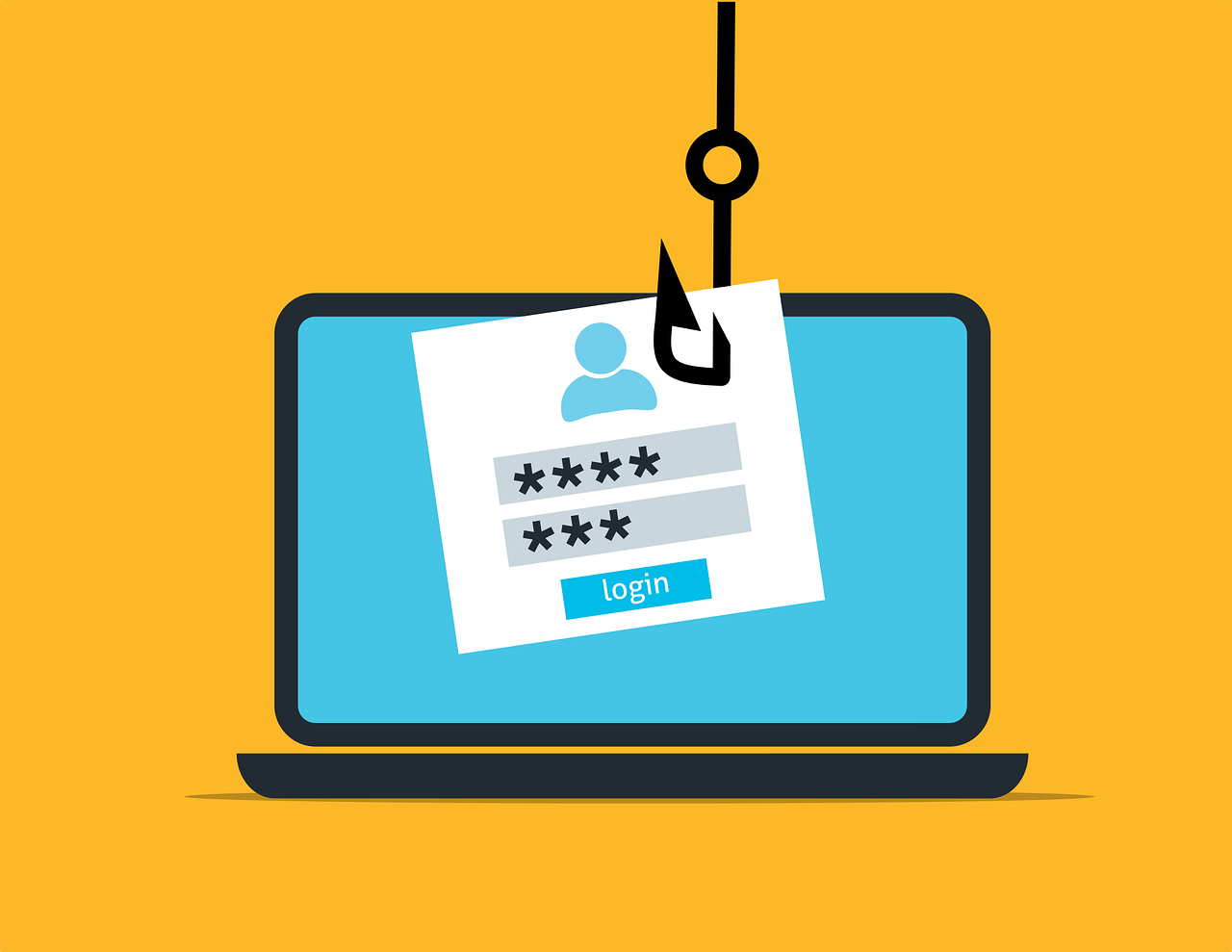

The Role of Community Management During Social Media Spam Attacks
In today’s interconnected world, effective community management is essential, especially during a social media spam attack. Social media platforms are prone to spam, which can distract and mislead genuine users. This prompts a robust response from community managers to address the influx of spam effectively. The approach taken by community managers can significantly influence the user experience and the brand’s image. Primarily, community managers need to identify the spam attacks quickly. This includes monitoring conversations and key hashtags related to the brand. By implementing notifications and alerts, community managers can stay updated and mitigate damage. Additionally, communicating with the community on how to report spam can empower users. By informing them how to flag suspicious content, managers can turn a crisis into an opportunity for community engagement. Furthermore, employers invest in training their teams about recognizing spam effectively and understanding the protocols for handling these scenarios. Community managers play a pivotal role as the frontline defense against spam, reinforcing trust and integrity within their brand’s online presence. Such proactive measures also enhance customer loyalty, as users feel more supported during challenging situations.
In the midst of social media spam attacks, swift and clear communication is paramount. Community managers serve as the voice of the brand, and their messaging needs to be reassuring and informative. Maintaining transparency about the situation is crucial for building trust. Users should be made aware of the measures being implemented to combat the spam. Regular updates via posts or stories can keep the audience informed, preventing misinformation from spreading. Additionally, the tone of communication should remain professional yet approachable. Using visuals or infographics to explain strategies can also enhance understanding. Moreover, community managers should engage directly with users, encouraging them to share their experiences. Acknowledge their concerns and provide solutions wherever possible. This interactive approach fosters a sense of unity and reassures users that their voices matter. By leveraging user-generated content, community managers can further strengthen this connection. Encouraging users to discuss their experiences or share tips can promote a positive online environment. Ultimately, the goal of community management during such crises is to navigate the turbulent waters of spam with finesse, maintaining user engagement and safeguarding the brand’s reputation in the process.
Strategies for Effective Crisis Management
During a social media spam attack, implementing effective strategies becomes essential for community management teams. One important strategy includes creating a crisis response plan before any attack occurs. This plan should outline clear roles and responsibilities among team members, ensuring a coordinated effort during crises. It is essential to identify key stakeholders who should be informed throughout the process, including marketing, PR, and customer service teams. Additionally, this response plan must specify how to address the community, including approved messaging and timelines for updates. Furthermore, community managers should be trained in crisis communication. This training ensures they can confidently handle user inquiries, alleviate concerns, and combat misinformation. Monitoring tools can play a vital role in this process. Utilizing software to track mentions of the brand, keywords, and sentiment can provide valuable insights. These tools enable community managers to act promptly, safeguarding the brand’s reputation. Likewise, analyzing data after the crisis can yield insights that improve future strategies. Collectively, these strategies empower community managers, positioning them as leaders in the face of social media challenges.
Following a spam attack, community management should focus on rebuilding relationships with users. Addressing the community’s concerns and acknowledging the disruption is essential in regaining trust. Community managers can organize Q&A sessions or open forums, allowing users to voice their concerns and receive personalized responses. By actively listening, brands can foster a sense of community and collaborative recovery. Additionally, offering incentives, such as discounts or exclusive content, can motivate users to re-engage and strengthen their connection to the brand. Using surveys to gather feedback on user experiences during the spam attack can further help in understanding their concerns. Understanding their perspectives allows for enhancing future strategies. Furthermore, sharing success stories about users being helped through the crisis can create positive narratives that rebuild confidence. Post-crisis, it is important to communicate lessons learned and showcase the enhancements made in the community management process. This session can be in the form of a comprehensive report or follow-up video, assuring users that their feedback is valued. Ultimately, a strategic and empathetic response post-crisis cultivates a resilient community, reinforcing the brand’s commitment to its users.
Utilizing Technology in Community Management
In the face of rampant spam on social media, technology can be a powerful ally for community management. First, using automated moderation tools can dramatically alleviate the workload. These tools can identify and filter out spam, leaving community managers to focus on genuine interactions. However, it is crucial to periodically review the automated settings to prevent them from inadvertently blocking legitimate content. Furthermore, employing chatbots can aid in providing immediate support. Chatbots can respond to common queries while escalating complex issues to human team members when needed, ensuring user concerns are addressed promptly. Additionally, data analytics can track the effectiveness of anti-spam measures and user sentiment. This analytical approach helps in adjusting tactics and identifying patterns that must be addressed. Training sessions for community managers to familiarize them with these technologies are essential for maximizing their effectiveness. Finally, integrating all communication channels into a cohesive system allows for a unified front in tackling spam. By utilizing technological advancements strategically, community management can enhance its response to spam attacks and ensure a quality user experience, all while maintaining the brand’s reputation.
Community management plays a critical role in shaping how brands respond during and after spam attacks. Developing a proactive culture within the community management team fosters resilience. Encouraging managers to take the initiative sometimes leads to innovative approaches. For instance, spotlighting user stories during the crisis showcases the collective strength of the community. This can involve sharing testimonials or experiences related to overcoming the spam attack together. Moreover, creating support resources or guides for users on how to stay safe from spam enhances user knowledge. Providing educational content empowers users to take precautionary measures, further strengthening the community bond. Supportive messaging during recovery post-spam can create a sense of belonging, signaling to users that the brand is in this together with them. Additionally, fostering partnerships with other organizations can amplify outreach efforts. By collaborating and combining resources, both entities can provide a more robust response to spam attacks. Ultimately, community management must embrace adaptability, creativity, and empathy to maintain a resilient online environment, transforming challenges into opportunities for growth and connection for all involved.
The Future of Community Management
Looking ahead, the future of community management in the face of social media spam attacks appears promising yet challenging. As technology evolves, community managers will need to enhance their skills continually. Continuous professional development will be essential as new tools emerge to combat spam effectively. Furthermore, the role of community managers is expected to evolve into more strategic positions, where they influence company policies on user engagement and crisis response. With growing user expectations for transparency and authenticity, brands must prioritize building genuine relationships with their communities. This includes actively listening to user feedback and integrating it into their business practices. Inclusion of diverse perspectives will enrich community dynamics and response strategies. Additionally, the importance of cross-functional collaboration cannot be overstated. Community managers will require support from various departments to navigate complex spam situations and create cohesive user experiences. Their role in fostering community will expand beyond just managing crises, focusing on long-term relationship building. By embracing this holistic approach to community management, brands can create a supportive digital environment, ready to tackle any challenges that arise with integrity and accountability.
In summary, community management serves as the backbone during social media spam attack crises. The proactive strategies, transparent communication, and effective use of technology play vital roles in ensuring a brand’s reputation is upheld. Investing in community management resources, training, and technology is crucial for navigating spam attacks efficiently. Establishing a culture of support and transparency enables community managers to foster deeper connections with users. Furthermore, utilizing user feedback can lead to more responsive strategies in the future, strengthening relationships. By collaborating across departments and remaining adaptable, community managers can craft nuanced responses that address community concerns. Lastly, as the threat of spam continues to evolve, so too must the strategies employed by community managers. Anticipating potential challenges and being prepared will enable brands to tackle spam attacks robustly. Engaging users in conversations about spam awareness will benefit community dynamics. Ultimately, community management should be seen as an ongoing journey, where adaptability and empathy drive success. This approach not only preserves brand integrity during crises but also fosters lasting relationships that will thrive beyond social media challenges.