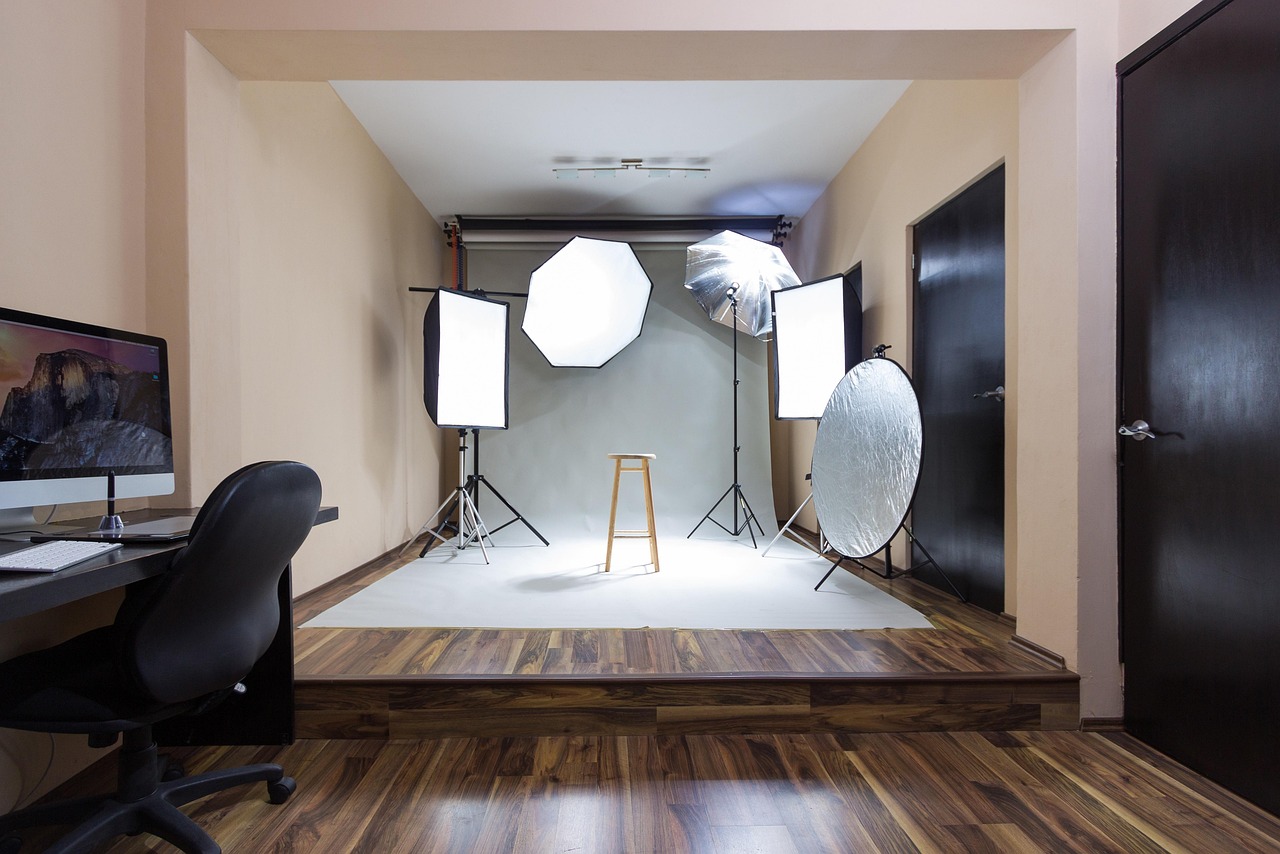

Best Practices for Lighting in YouTube Live Setups
Setting up effective lighting is crucial for creating engaging YouTube live streams. The right lighting can enhance video quality, making you look professional and polished. Start by choosing the optimal lighting sources; natural light can be a great addition, but it may not always be consistent. Invest in LED lights or softboxes specifically designed for video production to provide balanced illumination. Angle your lights towards your subject to eliminate shadows and ensure an even distribution of light across your face. Another crucial aspect to consider is the color temperature of your lights. Warmer tones usually appear more inviting, making your content more appealing to viewers. Additionally, don’t forget about background lighting; accent lights can create depth in your streams. Experimenting with the placement can result in a dynamic visual effect. Using a three-point lighting setup, consisting of a key light, fill light, and backlight, can dramatically improve your video’s look. Remember to continually test different configurations and materials to find what works best for you and your environment. This may require multiple adjustments, but the results will significantly enhance your stream quality.
Once you have your primary lighting setup in place, it’s essential to consider light intensity. Harsh lights can create unflattering shadows; therefore, utilize dimmers where possible. You can also use diffusion materials such as sheer curtains or softboxes to soften your light sources. Position the key light at an angle of about 45 degrees from your face to provide a natural look and avoid overexposure. This technique allows the skin tones to appear more realistic and appealing. Additionally, be mindful of the environment you’re streaming in; avoiding reflective surfaces can minimize distractions and visual inconsistencies in your video. Another tip is to use colored gels or filters to create a unique atmosphere. Colored lights or gels can influence the mood of your stream and highlight your personality or brand image. Make sure to balance colored lights with your main sources; an overly colorful setup may detract from your message. Regularly review your setup with a camera to ensure the light aligns with your intentions and expectations. Adjust as necessary to keep enhancing your content quality and viewer experience.
Considerations for Lighting Placement
Lighting placement plays a significant role in achieving high-quality streaming visuals. To start, ensure that your lights are at eye level or slightly above to create a flattering angle. If they are positioned too low, they may cast unflattering shadows that can negatively impact your appearance. Aim to have your key light directly in front of you and to one side, while the fill light should be slightly less powerful and positioned opposite the key light. This angles them to effectively cancel out shadows, resulting in a well-lit face. Additionally, integrate backlighting above or behind you to separate yourself from the background, giving your stream depth. Consider the impact of your streaming environment on your lighting setup; a cluttered or visually noisy space can distract viewers. If possible, create a designated streaming area and eliminate unnecessary items. Keeping a consistent decoration style in your set can also add professionalism to your videos. Finally, pay attention to how the light interacts with your background; the right choice can enhance the overall atmosphere of your live stream and reinforce your branding.
As you refine your live streaming lighting setup, monitor the advancements in camera technology and adjust accordingly. Many modern cameras perform differently under various lighting conditions, so test the camera’s settings to optimize for your specific setup. High-definition cameras often require better lighting, while lower-quality webcams may be more forgiving. Consider the aperture settings on your camera: a wider aperture allows more light, providing a brighter image but can affect depth of field. Adjusting your ISO settings can also aid in achieving the right brightness without compromising image quality. Remember that each camera and lighting configuration is unique; continual testing will help you find the right balance for optimal quality. Use camera monitors or apps to see how the lighting appears in real-time, making quick adjustments as you stream. This will help catch any problems early and maintain a professional appearance throughout the broadcast. Keep notes on effective configurations for future reference, as these can reduce setup time for future streams significantly. Remaining attentive to these technical aspects will greatly enhance your overall production value.
Incorporating Additional Lighting Techniques
To enhance your YouTube live streams further, consider incorporating additional lighting techniques into your setup. A ring light is an excellent option for direct frontal lighting, ensuring even illumination while capturing your best features. Ring lights provide a soft, diffused light that minimizes shadows, allowing you to maintain an engaging presence on-screen. Additionally, using portable LED panels can offer versatility as they are easy to reposition and adjust according to your needs. Additionally, you may want to experiment with colored LED lights that can bring an exciting dimension to your video content. Adjusting these lights to change the ambiance or fit specific themes can be very appealing to viewers. Furthermore, adding props, such as practical lights, like lamps or neon signs, can provide character and personal touch to your streaming environment. However, ensure that these lights do not overwhelm your main lighting sources. Keeping track of your lighting changes and their effects can be invaluable for future streaming sessions. Observing the engagement levels can inform you on which setups resonate best with your audience over time.
Don’t underestimate the power of lighting accessories for improving your YouTube live streams. Using light modifiers can help control light spill and ensure focused illumination on your subject. Softboxes and reflectors can diffuse light evenly across the scene and minimize harsh shadows. These elements can transform an everyday setup into something professional, enhancing engagement and viewer retention. When shopping for these accessories, invest in quality options that provide durability and excellent light output. Your lighting gear can be a valuable part of your brand identity; thus, maintain a consistent style across different frames. Regularly clean your lights and accessories to ensure that they perform optimally and maintain a high production standard. This attention to detail can make a significant difference when it comes to viewer perception. Remember, the goal is to create an inviting atmosphere that encourages your audience to return for future content. Consider also involving your audience in the setup process by discussing lighting techniques and asking for feedback. This interaction can not only provide valuable insights but also strengthen viewer relationships.
Final Tips for Perfect Lighting Setups
In conclusion, mastering lighting for YouTube live streaming is essential for successful content creation. Adapting to lighting challenges and investing time in your equipment will set you apart from others in the field. Continuously seek out current lighting techniques and technologies to stay informed. Consider attending workshops or engaging with online communities to improve your knowledge and practical skills. Keep experimenting throughout your journey; every stream provides an opportunity for learning and improvement. Document your processes and results to refine your techniques over time, ensuring every session counts. Invite constructive criticism from peers or online viewers to gain different perspectives on your lighting choices. It can inspire innovation and lead to improved methods. Pay attention to your stream’s end results—recordings can be analyzed post-stream to discover weak points, allowing for better performance in the future. Lastly, remember that your primary focus should be on delivering quality content while enjoying the creative process. When you love what you do, maintaining a high standard of lighting will follow naturally, contributing to your ongoing growth as a successful live streamer.
In order to sum up, focus on creating a well-lit environment that captivates your audience. By following these best practices and incorporating quality lighting solutions, your YouTube live streams will ultimately stand out and leave a lasting impression on viewers. Remember, every little detail—from light placement to accessories—plays a significant role in ensemble performance, complementing your content beautifully. With these insights, you can build your confidence in lighting for your streaming endeavors. Happy streaming!