
Step-by-Step Guide to LinkedIn Content Scheduling
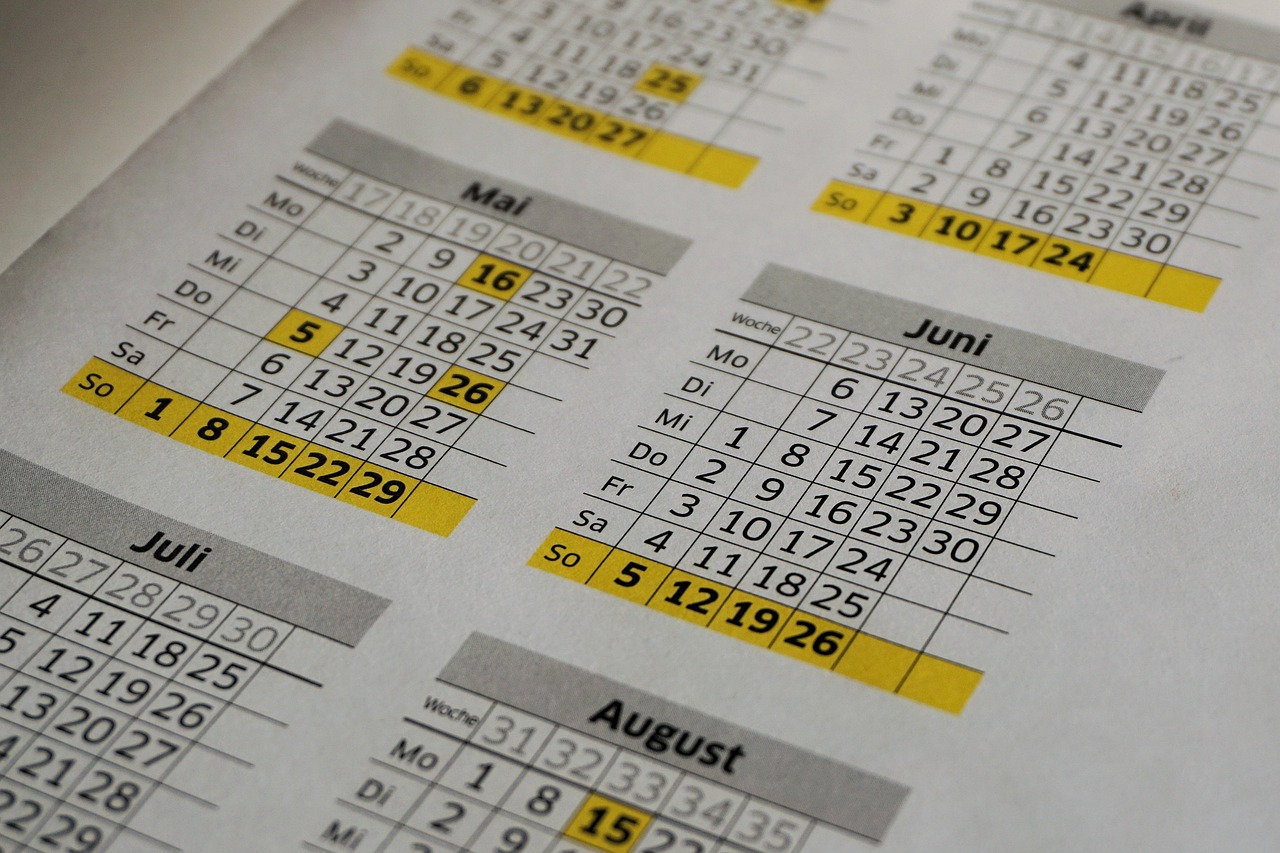
LinkedIn is a powerful platform for professionals, making it essential to develop a well-structured content calendar. A LinkedIn content calendar helps you organize your posts, ensuring consistency in your online presence. Start by identifying your target audience and their needs. This will guide your content creation and keep your messaging relevant. Brainstorm ideas for content types, such as articles, infographics, or videos. Utilize a mix of informative and engaging topics to appeal to your followers. Next, choose a content scheduling tool that fits your needs. Options include tools like Hootsuite and Buffer, which allow you to plan your posts ahead of time. Do remember to adhere to LinkedIn’s posting guidelines to maintain professionalism. Additionally, practicing regular posting can enhance your visibility and credibility on the platform. Evaluate your past performance to understand what worked and what didn’t, allowing you to adjust your strategy moving forward. Set aside time each month to update and refine your calendar, ensuring fresh content remains at the forefront of your networking efforts.
Once you have your content calendar outlined, it’s essential to set specific goals for your LinkedIn engagement. Clear objectives allow you to measure the effectiveness of your posts over time. One approach is to use the SMART criteria—Specific, Measurable, Achievable, Relevant, Time-Bound. For instance, aim to increase post interactions by 20% over the quarter. This measurable goal will guide your content creation and scheduling. Furthermore, pay attention to peak engagement times to post your content when your audience is most active. Use LinkedIn analytics to track these metrics tailored for your followers. Additionally, maintain a balance between promoting your services or products and providing valuable content. This strategy will keep your audience both engaged and informed. Utilize engaging visuals in your posts, as images can significantly enhance user interaction. Incorporate relevant hashtags to improve the discoverability of your content. Finally, continuously gather feedback from your audience. This interaction not only provides insights into their preferences but also fosters a sense of community around your brand on LinkedIn.
Integrating Visual Content
Visual content is crucial for a successful LinkedIn content calendar. Images, videos, and infographics are more likely to be shared than text alone. Start by selecting high-quality visuals that align with your message and brand identity. It’s possible to use design tools such as Canva to create eye-catching graphics. Ensure these visuals are correctly formatted for LinkedIn’s guidelines, optimizing them for both desktop and mobile views. Consider incorporating videos; they tend to achieve higher engagement rates. Videos can include short tutorials, company highlights, or interviews with industry experts. Don’t forget to include captions, as many users scroll through feeds without sound. Additionally, infographics can break down complicated information into an easily digestible format. Add a call-to-action at the end of your visual content to engage your audience further. For example, invite viewers to comment or share their opinions. Regularly incorporating visuals into your schedule makes it visually appealing and can boost content sharing, thereby expanding your reach significantly on LinkedIn. Keep track of which visuals garner the most engagement and optimize your future posts based on these insights.
Engagement should be a two-way street on LinkedIn. Therefore, it’s vital to dedicate time each week to interacting with your audience. Respond to comments on your posts, take part in discussions, and reach out directly to new connections. By actively engaging with others, you build relationships that can lead to networking opportunities. It’s an excellent way to increase loyalty among your audience, and it demonstrates the value you place on their thoughts. Beyond just responding, consider sharing content from your connections that resonate with your professional goals. This not only helps diversify your content but also showcases your supportive nature, encouraging reciprocal sharing. Follow industry leaders and influencers to stay updated on trending topics that may align with your interests. Join relevant LinkedIn groups to participate in discussions, further positioning yourself as a thought leader. Networking effectively on LinkedIn involves more than posting; it requires genuine interactions. By engaging consistently, you can enhance your visibility and credibility within your professional community, opening doors to new opportunities and collaborations.
Analyzing Performance
After implementing your content calendar, it’s crucial to analyze its performance regularly. LinkedIn provides analytical tools that offer insights into how your content is performing. Track metrics such as likes, shares, comments, and overall engagement rates to see what resonates with your audience. Ensure you compare these metrics against your original goals to measure success accurately. For instance, if a certain type of post attracted more attention, consider increasing that style of content in your calendar. Additionally, gather qualitative data by observing the nature of comments received. Are they positive, negative, or constructive? Utilize this feedback to refine future posts and tailor content that better serves your audience’s interests. Scheduling monthly performance reviews can simplify this process, allowing you to make adjustments based on actual engagement. Developing a system for collecting and analyzing this data will streamline your LinkedIn strategy over time. Use your findings to adapt your content calendar dynamically, making it an evolving tool for sustained success in LinkedIn networking.
Consistency is key to successful LinkedIn engagement. Establish a routine for posting that doesn’t overwhelm your audience or yourself. Whether you choose to post daily, weekly, or bi-weekly, stick to it. Creating a predictable pattern enhances your brand’s reliability and visibility. Consider scheduling different content types across various days. For example, Monday might be for industry insights, Wednesdays for sharing company news, and Fridays for thought leadership. Such a diverse schedule keeps the content fresh while also educating your audience on various aspects of your field. Additionally, leverage tools for automating posts according to your schedule. This saves time and ensures that your content reaches audiences consistently, even during busy periods. Don’t forget to accommodate for seasonal and trending topics to keep your content relevant. Monitoring trends in your industry will ensure your posts are timely and thus more likely to engage users. Remember, the aim is to enhance your professional network, and a consistent posting schedule greatly contributes to credibility and authority in your niche.
Final Thoughts
In conclusion, planning a LinkedIn content calendar is an invaluable part of enhancing your professional networking. By organizing your posting schedule, engaging visually, and utilizing analytical tools, you can effectively build your brand’s online presence. Regularly revisiting your strategy based on insights assures that you remain relevant and in tune with audience preferences. Don’t underestimate the power of genuine interactions—actively engaging with your network is vital for long-term success. Set clear, achievable goals for engagement, and pay attention to performance metrics to inform your approach. While it might seem labor-intensive initially, the long-term benefits of effective LinkedIn networking through a structured content calendar far outweigh the efforts. Start small but aim for regular improvement. As your audience grows, adapt to their needs and preferences while staying true to your professional identity. With time and consistent effort, your LinkedIn presence will flourish, increasing opportunities for collaboration, learning, and professional growth. Embrace this process and watch as your networking expands exponentially.
Gaining insights into the effectiveness of your LinkedIn strategy is paramount. Make it a point to engage deeply with your connections and actively participate in discussions relevant to your field. This multifaceted approach not only nurtures your existing relationships but also attracts new ones. By providing thoughtfully curated content, you create a resource for your audience while establishing yourself as a thought leader. Share opinions and insights regularly to spark discussions, making your profile a go-to resource for information in your sector. As you build rapport, consider requesting recommendations to bolster your profile’s credibility. These testimonials can provide invaluable social proof, convincing potential connections of your expertise and reliability. Encourage your audience to reach out with topics they’d like to see covered. This tactic will not only enhance engagement but allow you to create even more relevant content. Moreover, participating in LinkedIn events or webinars can expand your visibility. By sharing experiences and knowledge during such sessions, you contribute positively to your field. Foster community-building initiatives to further solidify your network. This collaboration can lead to fantastic opportunities for your professional journey and personal growth.