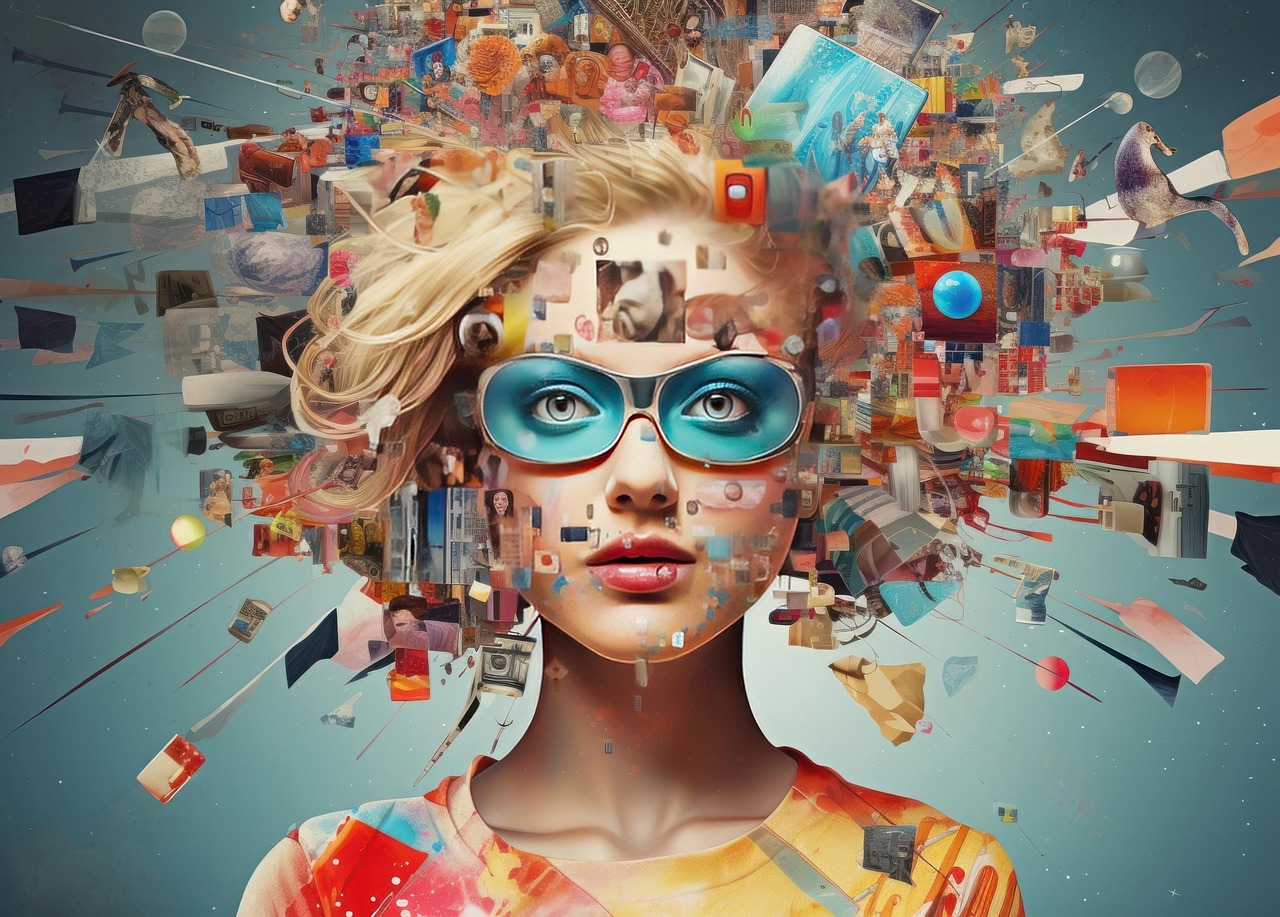

Integrating AI with Social Media Influencer Analytics
The integration of artificial intelligence (AI) in social media influencer analytics represents a pivotal shift in marketing strategy. Understanding this paradigm includes examining the vast potential of AI, which processes data at an unprecedented scale. This allows brands to target and engage their audience more effectively than traditional marketing methods. By analyzing vast datasets, AI can identify and predict trends, enabling social media analysts to create tailored strategies for influencer campaigns. Marketers stand to benefit remarkably, as AI tools enhance efficiency and accuracy. Comprehending consumer behavior patterns and preferences helps in identifying suitable influencers for collaboration. This ensures that brands choose influencers whose followers align with their target audience. Additionally, AI enhances measurement techniques, helping marketers evaluate the effectiveness of their campaigns comprehensively. Data-driven insights can highlight engagement metrics, audience demographics, and conversion rates, providing actionable intelligence. The integration of AI not only improves targeting but also personalizes marketing strategies, contributing to better customer experiences. As brands shift towards data-centric approaches, the proliferation of AI tools in this realm will likely shape the future of influencer marketing significantly.
Furthermore, the role of predictive analytics in influencer marketing cannot be overstated. By leveraging machine learning algorithms, brands can predict future outcomes based on past performance data. This process allows marketers to refine their selection criteria when choosing influencers and assessing their impact on brand perception. For example, algorithms analyze engagement rates, audience growth, and content relevance to determine the potential success of an influencer partnership. Consequently, brands can allocate their budgets more effectively, focusing on those influencers likely to yield the highest returns. Moreover, real-time analytics can adjust ongoing campaigns, ensuring promotional efforts resonate with audiences instantly. By employing AI-powered tools, brands can optimize their social media strategies, staying ahead of evolving market dynamics. This leads to a more agile marketing approach, where brands respond proactively to trends. Moreover, the ability to pinpoint micro-influencers who share affinity and engagement with niche audiences becomes easier with AI assistance. Essentially, AI integrates deep learning mechanisms that continuously enhance influencer analytics, creating substantial opportunities in social media marketing.
As we delve deeper into the operational aspects of AI in influencer analytics, it is essential to address the challenges brands encounter. With data privacy regulations becoming stricter, social media platforms and marketers must navigate the complexities of user consent and data handling. Compliance with privacy laws like GDPR or CCPA can create hurdles in accessing social data necessary for influencer analysis. Moreover, the vast array of data can be overwhelming, leading to inaccurate interpretations if not managed properly. When brands rely heavily on AI, they must ensure that algorithms are unbiased and transparent. Ethical concerns emerge, particularly concerning how influencers are selected and how data is utilized. Addressing these challenges requires developing a robust compliance framework alongside AI strategies. Balancing personalization with privacy becomes paramount as brands utilize data to create targeted campaigns. Moreover, ongoing training of AI systems is required to adapt to changing market conditions and user behaviors. Hence, companies investing in AI solutions must also invest in robust governance models that ensure ethical AI use in influencer analytics.
Enhancing Engagement through AI Tools
One of the most profound impacts of AI in social media influencer analytics is its ability to enhance audience engagement. AI tools provide insights into content performance, indicating which themes and formats resonate best with audiences. Through sentiment analysis and engagement metrics, brands can tailor their messaging to suit their audience’s preferences effectively. Consequently, influencers equipped with this data can craft tailored content, driving higher engagement rates. Personalization becomes a dynamic aspect of influencer marketing, allowing brands to connect meaningfully with their target demographic. Additionally, AI enables the identification of emerging trends before they reach full market saturation. This proactive approach allows brands to collaborate with influencers who can create timely content, leveraging trends to maximize visibility. Furthermore, AI-powered chatbots can assist influencers in engaging their followers, managing inquiries, and providing real-time interactions. This technology fosters a sense of community around brands, bridging the gap between influencers and their audiences. Ultimately, enhancing engagement through AI tools signifies a transformative phase in influencer marketing that benefits both brands and followers alike.
Moreover, the ongoing evolution of AI technologies facilitates the assessment of audience sentiment toward influencers and brands. Predictive analytics tools can gauge public opinion and forecast how certain campaigns might perform. Understanding audience sentiment allows brands to pivot their marketing strategies effectively. They can modify influencer contracts and content strategies based on audience feedback and trending emotions. This continuous feedback loop enables brands to adapt their messaging, ensuring relevance and resonance in a fast-changing social environment. Additionally, AI-driven tools employ natural language processing (NLP) techniques to analyze comments and responses across platforms. The insights derived from this analysis contribute significantly to refining brand influences in the marketplace. Brands equipped with this knowledge can craft strategies that elevate their presence while ensuring constructive engagement with audiences. Additionally, insights from sentiment analysis can indicate potential pitfalls or reputation risks associated with influencer partnerships. By recognizing emerging issues, brands can take preventative measures to mitigate backlash or negative sentiment that could arise from influencer actions. The data-driven approach supports informed decision-making, ultimately reinforcing the effectiveness of influencer marketing strategies.
Moreover, user-generated content (UGC) corroborates the pivotal role AI plays in influencer marketing. Brands are now utilizing AI to aggregate and analyze UGC created by both influencers and their customers. This rich tapestry of authentic content offers insights into how the brand is perceived and engages with the audience. AI algorithms categorize UGC based on themes, trends, and sentiments, which provide marketers with invaluable information. Monitoring UGC helps brands assess their market position and refine their messaging strategies. Additionally, AI assists in identifying brand advocates among consumers, encouraging collaboration opportunities. By partnering with loyal customers who share their experiences, brands can effectively leverage authenticity in their campaigns. This builds trust and enhances the brand’s credibility in the marketplace. Furthermore, AI tools help manage and analyze feedback from UGC, presenting an overview of customer satisfaction and brand loyalty. Brands can swiftly respond to emerging feedback trends, ensuring they stay aligned with consumer expectations. The strategic use of UGC combined with AI analytics underpins a healthy and responsive influencer marketing landscape.
Future Trends in AI-Driven Influencer Marketing
As we look ahead, the future trends in AI-driven influencer marketing promise to alter the landscape significantly. Innovations in AI technology will provide even greater insights for brands and marketers, ushering in an era of hyper-personalization. Predictive analytics will evolve to analyze consumer behavior across platforms more accurately, offering real-time adjustments to campaigns. Enhanced AI tools will enable brands to traverse new social media platforms and engage with diverse audiences seamlessly. Additionally, improvements in machine learning will ensure that AI models continuously enhance over time. This self-improvement capability is vital in adapting to consumers’ ever-changing preferences. Moreover, as virtual reality (VR) and augmented reality (AR) gain traction, integrating these technologies with AI influencers can offer immersive experiences for consumers. Brands that figure out how to blend these innovative technologies with their influencer campaigns can create unforgettable marketing experiences. The potential for AI to simulate influencer personas or create digital avatars significantly expands the horizons of influencer marketing. Ultimately, embracing advanced AI solutions will empower brands to navigate the complexities of the digital marketing landscape effectively.
In conclusion, the integration of AI with influencer analytics in social media denotes a fundamental change in marketing strategies. The intertwining of technology and marketing allows brands to operate efficiently while achieving measurable results. Brands leveraging AI tools can optimize their influencer selection processes, ensuring alignment with their target demographics. As privacy issues arise, continuous evaluation and adaptation are essential for brands using AI responsibly. Staying informed about evolving technologies and regulations ensures brands remain at the forefront of innovation. The future of influencer marketing will not only rely on traditional metrics but also on enhancing consumer experiences through personalization and engaging content. As AI continues to refine influencer analytics and strategies, marketers must adapt their approaches, embracing data-driven decision-making. This will result in effective targeting, higher engagement levels, and ultimately, better ROI. By understanding the implications and possibilities that AI presents, brands can foster authentic relationships with consumers through influencers. The journey through AI in influencer marketing is just beginning, and it holds enormous potential for transforming the social media landscape.