
Creating Dynamic Customer Journey Maps from Social and Follower Insights
In today’s interconnected digital landscape, understanding your customer journey is more crucial than ever. Businesses must leverage social and follower insights to create effective customer journey maps. By utilizing data from social media platforms, companies can gain valuable insights into customer behavior and preferences. This understanding allows for better engagement and tailored experiences. A dynamic customer journey map incorporates various touchpoints, illustrating how customers interact with your brand across channels. The key is to consider how social interactions influence each stage of the journey. Companies that invest time and resources into mapping this journey tend to see better retention rates and increased customer satisfaction. Furthermore, analyzing social media feedback helps identify potential pain points that customers face. These insights are invaluable for continuously refining your strategy. Businesses can use various tools for visualization, making the data more accessible and actionable. Shipping these insights into concise action items can directly influence marketing campaigns, product launches, and customer service improvements. With this focus on social dynamics, it’s possible to build deeper relationships and foster loyalty among your customer base. This ultimately leads to a more successful and revenue-generating business model.
Next, it’s important to categorize the various stages in customer journey mapping. The stages typically include awareness, consideration, purchase, retention, and advocacy. Each of these stages can be influenced by social interactions and follower insights, impacting how customers perceive your brand. During the awareness stage, social media can play a vital role in attracting potential customers through organic posts and paid advertising. Crafting a consistent and engaging message across platforms is essential. The consideration stage focuses on personalizing interactions, influenced by follower feedback and engagement data. Customers are likely looking to read reviews and testimonials experienced by peers. Therefore, managing your online reputation through active engagement with followers becomes key. Understanding the metrics that indicate success at each stage will allow marketers to pivot strategies quickly. During the purchase stage, social signals like limited-time offer alerts or flash sales can create urgency for conversion. Retention efforts can be enhanced with Customer Relationship Management (CRM) tools leveraging social insights, enabling businesses to foster loyalty. Finally, advocacy is achieved as satisfied customers share positive experiences, furthering your brand’s reach and credibility.
Visualizing Customer Interactions
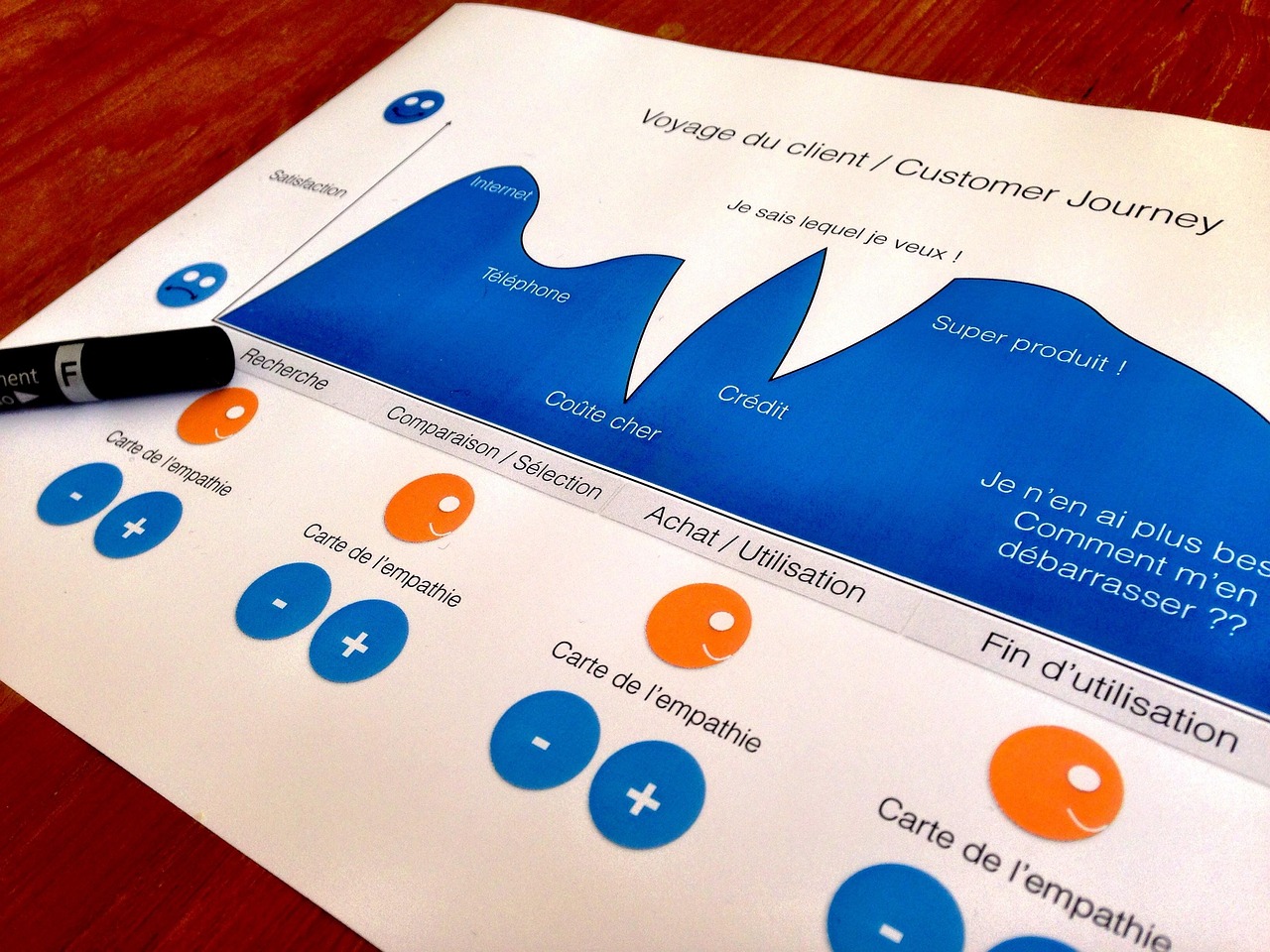
Visualization plays an essential role in customer journey mapping from social insights. By creating visually compelling maps, organizations can better understand customer interactions at every stage of their journey. Visual representations help in identifying critical touchpoints, revealing trends that might not be immediately obvious through textual data alone. Using tools like flowcharts or infographics is effective in outlining how customers navigate through their experiences with the brand. Each touchpoint can be represented with vivid imagery, showcasing where engagement is high or low. This visualization effort highlights the importance of not just listing these interactions, but strategically analyzing them. Furthermore, frequent updates to these visual maps can reflect real-time changes in customer behavior influenced by new social trends or events. Businesses benefit through better decision-making based on visual representations of customer data. Regularly analyzing and updating these visuals ensures that organizations remain agile and responsive. For instance, if data reflects a sudden spike in engagement on specific social channels, businesses can adjust their strategies promptly. Better visualization methodologies lead to improved communication across departments, driving collective efforts towards enhancing the overall customer experience.
Additionally, integrating analytics into customer journey mapping enhances overall strategy effectiveness. Utilizing tools like Google Analytics or social media insights helps quantify the data collected. Numbers and statistics add credibility to the insights derived from social interactions. Evaluating engagement rates, shares, comments, and follower growth provides a more extensive understanding of customer behavior. By linking social metrics directly to the journey map visualizations, businesses can create actionable insights that inform better strategies. Knowing which posts generate the most engagement allows for refined content creation that resonates with audiences. By ensuring that these analytics are front and center during discussions, marketing teams can prioritize efforts effectively. Furthermore, measuring the success of targeted messages leads to a data-driven approach. One can ascertain what resonates with customers more—whether it’s video content, polls, or direct engagement. Enhanced analytics can even help predict future customer behaviors based on historical data. This predictive aspect allows for proactive measures in driving customers towards desired actions. Ultimately, businesses can craft solutions that are not only targeted but proven to engage effectively over time, ensuring sustainability in their customer relationships.
Leveraging Feedback Loops
Feedback loops are instrumental in refining customer journey maps from social insights. Actively soliciting and integrating customer feedback forms a continuous improvement cycle. Customers often provide valuable information through reviews or direct social media interactions. This input can highlight areas needing adjustment or enhancement. For effective feedback gathering, organizations can use various methods, such as surveys or sentiment analysis tools. These methods allow businesses to tap into customer emotions and opinions surrounding their products or services. The insights gathered create opportunities for immediate action and adjustments to the customer journey. Frequent adjustments based on feedback help businesses resonate better with customers, increasing satisfaction over time. Furthermore, sharing results of changes made based on feedback demonstrates to customers that their opinions matter. Engaging followers in the decision-making process fosters loyalty, turning customers into advocates for your brand. As a result, companies witness improved retention rates as a direct effect of responsive adjustments. Maintaining transparency throughout this feedback loop encourages ongoing dialogue and partnership with customers, enriching the overall journey experience.
Moreover, collaboration among cross-functional teams can optimize the creation of effective customer journey maps. Different departments like marketing, sales, and customer service must engage in collaborative efforts. When all teams work together towards a unified understanding, strategies become more streamlined and effective. Collaboration empowers everyone to share their insights and raise potential issues that may affect journey mapping accuracy. For instance, marketing can provide valuable data on campaign effectiveness, while customer service can highlight common customer pain points. This integrated approach ensures a comprehensive view of the customer experience. Regular meetings among teams foster discussions on refining strategies based on the shared journey map. Additionally, using project management tools can enhance communication, keeping everyone aligned on objectives and insights. Shared access to journey maps encourages ongoing updates and faster responses to market changes. Ultimately, such collaboration builds a culture of accountability and creativity. Teams that operate cohesively are often more innovative and responsive, driving better customer experiences. Collectively tackling challenges associated with customer journeys leads to a stronger and more resilient brand reputation.
Conclusion: The Future of Customer Journey Mapping
As technology evolves, so does the landscape of customer journey mapping. Embracing social and follower insights is no longer optional but a necessity for modern businesses. Companies must stay agile to adapt quickly to changing market conditions and customer expectations. Future customer journey maps will leverage advanced analytics paired with AI technologies. This expansion fosters more accurate predictions of customer behavior and preferences. With these advancements, businesses can create highly personalized experiences that genuinely resonate. Furthermore, utilizing social listening tools will reveal unfiltered customer sentiments, enhancing strategic efforts in real-time. This level of engagement can only lead to continuous growth and loyalty among customers. As organizations grasp the significance of actionable insights from social platforms, they will witness profound benefits. Collaborative efforts among teams will solidify a commitment to customer satisfaction across the board. Ultimately, the future of customer journey mapping lies in crafting dynamic and evolving experiences that reflect each customer’s unique needs. Building a responsive business model rooted in these insights promises a more sustainable and profitable future in today’s competitive landscape.
Building trust among customers also becomes increasingly critical in a digital age. Transparency in communications and actions further solidifies this trust. Companies need to ensure that customers’ insights are valued and used for meaningful improvements. As we move forward, prioritizing this customer-first mindset creates deeper connections. Brands that genuinely listen and adapt can differentiate themselves in competitive markets. By doing so, they not only retain clientele but also attract new customers organically through recommendations. Enhanced customer journey maps will reflect this philosophy, fostering an environment of ongoing engagement and satisfaction. In this rapidly changing environment, businesses must be prepared to evolve continually. Future mapping successes will come from the interplay of human-centered insights and innovative technology. Those organizations that excel will be those that embrace change and adaptability in service of enhancing experiences. Ultimately, this journey is about understanding customers profoundly and personalizing their experience, leading to success through loyalty and advocacy. Truly, it’s an exciting time to redefine the way brands interact with their customers through these innovative customer journey mapping strategies.