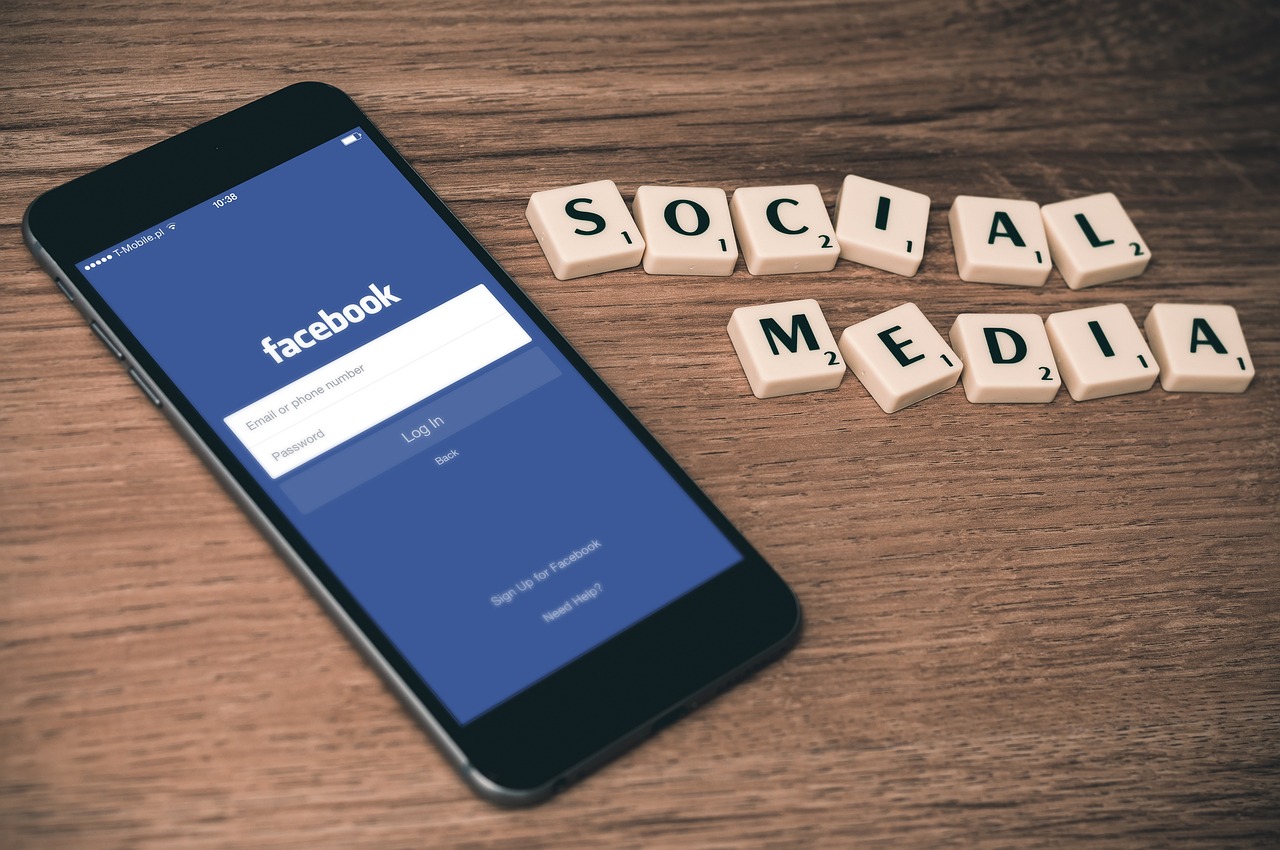

Harnessing Facebook Mobile Ads to Drive App Engagement and Retention
Facebook has established itself as a dominant platform for advertisers, particularly for mobile app developers aiming to increase user engagement and retention. Utilizing Facebook Ads efficiently involves understanding core strategies specifically tailored for mobile applications. Key strategies include utilizing mobile app install ads, which are designed to send users directly to app download pages. Incorporating eye-catching visuals and interactive elements in ads can significantly enhance user interest. Furthermore, segmenting your audience facilitates targeted advertising, allowing your ads to reach the most relevant users. Tracking installations and in-app events through Facebook’s SDK is crucial for optimizing campaigns based on user behavior. Engaging creatives, like videos or carousel ads, should be made mobile-friendly to maintain user attention effectively. Testing ad formats, executing A/B testing, and analyzing performance metrics can reveal insights into campaign effectiveness. A focused strategy on mobile-first creatives will promote higher click-through rates and conversions. By amplifying mobile ads with the right targeting, messaging, and timing, businesses can significantly boost their app’s visibility and foster long-term engagement.
Sustaining user engagement demands distinguishing between new user acquisition and current user retention. It is vital to implement strategies that cater to both aspects utilizing Facebook Ads. Retargeting campaigns can successfully engage users who have previously shown interest but did not complete desired actions, like in-app purchases or registrations. Facebook’s Custom Audiences feature allows advertisers to serve ads to people who already interact with the app, thereby increasing the chances of converting these users. In addition, crafting ad content that highlights loyalty programs or special offers can entice existing users to return and make repeat visits. Promoting in-app events or updates through Facebook Ads can create excitement and remind users of the app’s value. Moreover, leveraging Lookalike Audiences can expand the reach to potential users with similar behaviors, maximizing acquisition efforts. It’s essential to keep track of key performance indicators (KPIs) such as user retention rates and engagement metrics. This data helps in refining ad strategies continually. Considering these tactics will eventually create a sustainable user base, driving both app engagement and retention effectively.
Optimizing Facebook Ads for App Engagement
Optimizing Facebook Ads for mobile apps requires a deep understanding of analytics and user behavior. Utilizing Facebook Analytics can help in identifying user trends and engagement patterns, providing insights essential for personalizing ads. Analyzing which audiences engage most with specific ad formats will enable the creation of more targeted campaign strategies. Implementing dynamic ads can also personalize content, showcasing app features that resonate with individual users. Additionally, ensuring that call-to-action buttons are clear and persuasive can encourage immediate in-app actions. Promotional strategies, like using time-sensitive offers, can provoke curiosity and build urgency among users. Regularly updating advertisements to reflect new features or promotional content keeps the ads fresh and relevant. Feedback loops from users can provide valuable insights for optimizing future campaigns. Executing multifaceted ad strategies that incorporate app deep linking can simplify user journeying by allowing users to be directed to specific app content. Continuous testing and refinement will lead to better engagement rates, culminating in successful ad performance.
To maximize the effectiveness of Facebook Ads for mobile applications, diversifying ad placements is crucial. Utilizing various placements such as Instagram, Messenger, and the Audience Network can elevate reach significantly. Each platform has distinct audiences, allowing businesses to target users effectively across multiple channels. Mobile news feeds are particularly important as they cater to users looking for engaging content swiftly. Choosing the right placement based on audience preferences and behavior is essential for maximizing engagement rates. Moreover, creating platform-specific creatives tailored to the unique characteristics of each platform can enhance impact. Keeping ads consistent in voice and messaging while adapting to platform nuances will resonate well with users. Using Facebook’s extensive targeting options enables advertisers to engage narrow user segments fitting specific profiles. As user preferences shift rapidly, it’s vital to iterate ad content continuously based on testing and feedback. Incorporating user-generated content in ad strategies can also facilitate trust, making ads more relatable. The combination of varied placements and engaging creatives will solidify brand presence across the mobile landscape, fostering increased interaction and retention.
Leveraging Facebook Insights for Continued Growth
Upon launching and running a series of Facebook Ads for mobile applications, evaluating performance data becomes the key to sustained growth. Insights from metrics such as click-through rates, conversion rates, and return on ad spend (ROAS) guide the advertising trajectory. By analyzing these metrics, businesses can pinpoint successful strategies and identify areas for improvement. Regular monitoring helps understand how users interact with the ads and the app itself. Being able to visualize data through Facebook’s analysis tools can facilitate adjustments to ad targeting and creative elements over time. Implementing retention cohorts allows businesses to understand user behavior over specific timeframes, offering a clearer vision of how different social strategies influence engagement. Furthermore, adjusting budgets based on high-performing ads fosters more efficient allocation of resources. A/B testing different ad elements like images, copy, and calls-to-action can yield valuable information regarding audience preferences. By remaining agile in advertising strategies, businesses will continuously adapt to market demands. Such a flexible approach ensures that they capitalize on emerging trends while keeping user engagement as a top priority.
Fostering app retention through Facebook Ads requires innovative thinking and adaptability. Creative strategies that include regular communication with users can keep them informed and engaged. Sending timely notifications through Facebook Ads about app updates, promotions, or significant events can provoke user engagement. Moreover, utilizing Facebook’s Messenger Bot allows for direct user interaction, building relationships and encouraging return visits. Using social proof in ads, such as featuring user testimonials and reviews, increases trust and can boost user confidence in the app. Crafting shareable content encourages users to spread the word about the app, leveraging existing users to acquire new ones organically. Ads highlighting community achievements or milestones can further enhance a sense of belonging among users. Encouraging rewards for interactions or referrals is another way to maintain interest and user loyalty. Segmenting the audience for personalized messaging can significantly decrease app churn rates. It is essential to ensure that all communication remains user-centric, focusing on enhancing their experience, thereby leading to increased engagement and higher retention levels for the app.
Conclusion: The Future of Facebook Ads for Mobile Apps
As mobile technology continues to evolve, the future of Facebook Ads for mobile applications promises exciting possibilities. Staying ahead of trends and adapting strategies is critical for developers hoping to maximize their app’s potential. With ongoing advancements in artificial intelligence, ad personalization is likely to become even more refined, allowing businesses to deliver highly tailored ad experiences. Developing seamless cross-platform user experiences should be a priority, especially to engage users wherever they interact with the brand. As user behavior shifts, understanding demographic preferences becomes essential for targeting and retaining users effectively. Incorporating interactive ad formats, such as augmented reality, may soon become standard, offering immersive experiences that captivate users. Social commerce will likely reshape how mobile advertisements function, merging shopping experiences seamlessly within the social media realm. Establishing strong engagement strategies will be key to survival amidst increasing competition within the app marketplace. By harnessing insights from data, adapting to emerging technologies, and placing users at the heart of advertising efforts, businesses can effectively drive app engagement and retention in the future.
As businesses embark on their journey with Facebook Ads for mobile apps, this framework will provide solid groundwork to launch successful advertising campaigns. Each strategy outlined is pivotal in driving engagement while fostering long-term user retention. Embracing the diversity of targeting options, creatives, platforms, and insights can transform how companies engage with their audience. With the right application of these tactics, advertisers are uniquely positioned to impact user behavior positively. By considering both short-term gains and long-term connections, businesses can craft campaigns that resonate deeply with their target users. As competition within the app economy intensifies, leveraging Facebook’s powerful advertising tools will be a differentiating factor, establishing a brand’s presence effectively in the mobile landscape. This approach ensures that mobile apps not only attract users but continually engage and retain them over time, allowing for sustained growth.