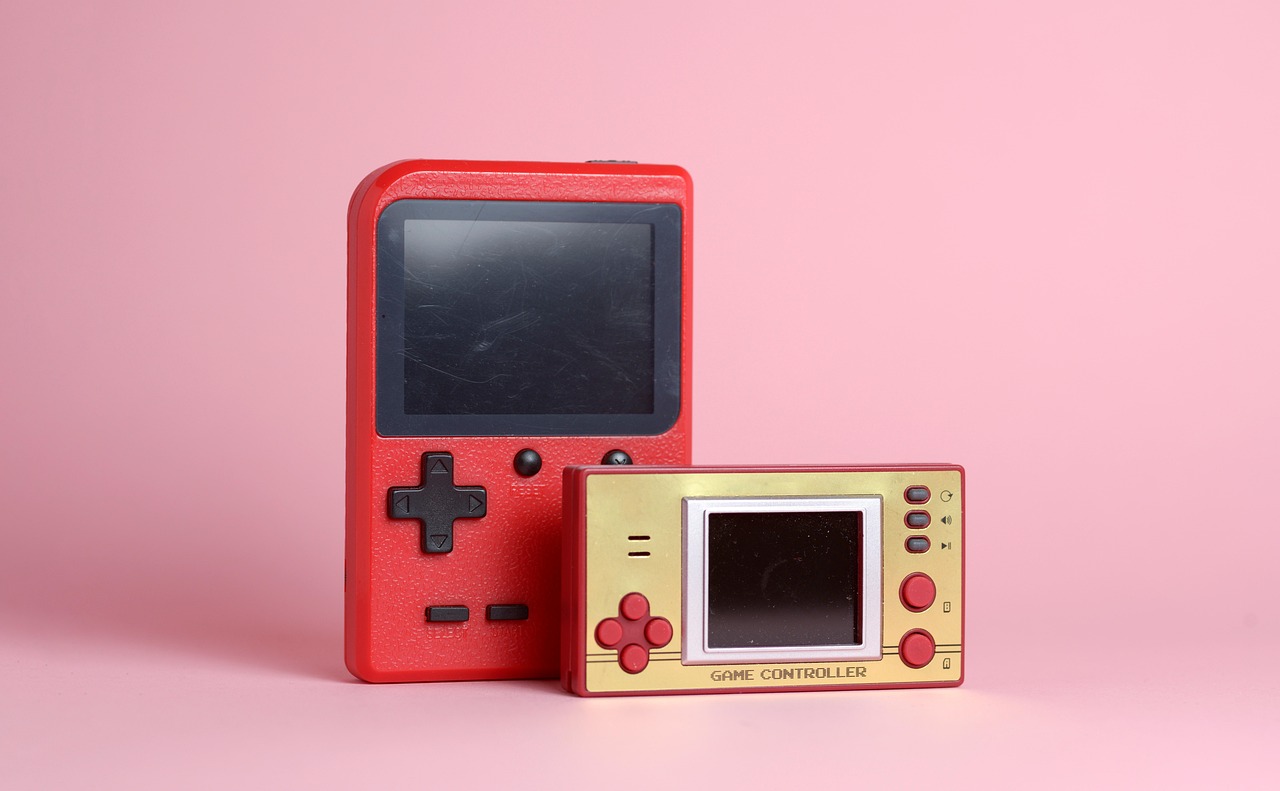

The Role of Nostalgia in Gaming Habits Across Generations of Followers
Nostalgia plays a unique role in shaping the gaming habits of various generations. It encapsulates the emotional connections players form with past experiences, impacting their preferences significantly. Many older gamers often reminisce about their first experiences with iconic games like Super Mario Bros. or Pac-Man. As younger gamers discover these games, they too start to appreciate their charm. The transfer of this love from one generation to another creates a strong bond, both in gameplay and community. Factors such as graphics, storytelling, and character development also play a crucial role in how nostalgia drives choices. Emotional attachments can enhance the gaming experience, prompting players to seek out nostalgic games. Furthermore, developers are increasingly tapping into this nostalgia by remaking classic games to cater to our shared experiences. This not only enhances the emotional ties but also creates increased market demand, allowing newer players to experience beloved classics. While each generation has distinct preferences, they often find common ground through nostalgia, leading to an enriched and connected gaming community.
Specific genres of games often trigger feelings of nostalgia, appealing to different demographics. For instance, platformers tend to evoke memories for those who grew up in the late 80s and 90s, while role-playing games resonate more with millennials who had access to games like Final Fantasy. These preferences showcase how the era in which a player grew up plays a significant role in their gaming choices. Game developers recognize these trends, and as a result, they often create games that bridge generational gaps. This strategy encourages interactions between players of all ages. Nostalgia-driven experiences can also be found in merchandise linked to popular games. Collectibles or merch featuring older game characters often fly off the shelves. Players, young and old, want to reconnect with their favorite characters through physical products. The accessibility of digital platforms allows for a wider reach of these nostalgic experiences, uniting players worldwide. As gaming habits evolve, one element remains consistent: the powerful influence of nostalgia in shaping preferences, fostering a community that transcends age and promotes shared experiences.
Nostalgia’s Psychological Impact on Gaming Choices
The psychological impact of nostalgia on gaming habits is profound and multifaceted. Studies have indicated that nostalgia can invoke positive feelings, enhancing mood and well-being. Players often seek out nostalgic games to recapture those joyful feelings associated with their formative years. These sentiments can be particularly significant during times of stress and uncertainty. Engaging with familiar games provides solace, allowing players to escape into comforting experiences. Furthermore, nostalgia can serve as a catalyst for social interaction, as many players share their childhood gaming stories. Connecting over mutual favorites deepens bonds, strengthening friendships and community ties. The shared enthusiasm for classic titles fosters generational dialogues, showcasing how different groups perceive gaming. Additionally, developers leverage this psychological aspect, marketing nostalgic experiences to attract a loyal customer base. Packages often include updated graphics while maintaining familiar mechanics, striking a balance that appeals to a wide audience. Ultimately, the role of nostalgia in shaping gaming habits extends beyond mere preferences; it becomes a means of establishing connections and reinforcing identity within the gaming community.
The online gaming community showcases how nostalgia influences contemporary gaming trends. Online platforms often host discussions around classic games, with forums dedicated to reminiscing about shared experiences. In this digital age, nostalgia is easily accessible, allowing players to recall favorite moments from their gaming history. Streamers and content creators frequently highlight their adventures in retro games, encouraging both new and older players to revisit these classics. This trend fosters a collective appreciation within the community, showcasing a blend of old and new generations interacting through shared love. Fan gatherings and events often revolve around nostalgia, featuring tournaments or cosplay from classic games that transcend generations. In essence, generations come together to celebrate the legacy of gaming. By preserving older games and engaging players in new contexts, developers create a sense of continuity within the gaming landscape. The thirst for nostalgia ensures its integration into modern gaming objectives, cementing its place in a gaming culture that values history while also pushing innovation. This unique blend leaves an indelible mark on the industry’s future.
Commercial Influence of Nostalgia in Gaming
The commercial aspect of nostalgia significantly impacts the gaming industry. Games that evoke feelings of nostalgia often sell better than new titles that lack the emotional connection. Developers frequently capitalize on this trend by remastering beloved classics for modern consoles, catering to a demographic eager to relive past experiences. Furthermore, franchises have utilized nostalgia-driven marketing strategies by reintroducing beloved characters or rebooting iconic titles. These strategies resonate well with audiences, prompting both engagement and purchases. Customized merchandise and limited editions create a sense of urgency, encouraging fans to invest further in these nostalgic offerings. Industry reports demonstrate that nostalgia enhances player retention, as individuals tend to return to games that evoke cherished memories. The accessibility of older games on platforms like Steam or Nintendo Switch fuels continuous interest. This cycle benefits both developers seeking consistent revenue and players longing for familiar experiences. Consequently, nostalgia is not merely a sentimental concept; it holds tangible power in driving commercial success in the gaming world. It reinforces the bond between players and their beloved franchises while ensuring developers succeed in the competitive market.
Nostalgia also impacts how gaming communities interact and evolve over time. Online spaces foster discussions around nostalgia, allowing players to share recommendations and experiences. Content creators often explore retro games, intertwining nostalgia with contemporary commentary. When a popular streamer revisits classic titles, it often ignites a larger trend, pushing viewers to reconnect with their gaming roots. This trend spreads awareness about older games that may not have been in the spotlight, growing interest across diverse demographics. User-generated content, such as fan art or remix videos, captures the nostalgia, further solidifying connections within the community. Social media platforms enable these sentiments to flourish, creating a space where nostalgia is celebrated universally. The interaction also leads to the emergence of niche communities centered around specific titles or genres, showcasing how nostalgia can give rise to dedicated groups united through shared experiences. As gaming continues evolving, these communities play a crucial role in integrating nostalgia into the gaming landscape, bridging the gap between past and present. Ultimately, nostalgia can unite players from different backgrounds into a cohesive group, enriching the overall gaming experience.
The Future of Nostalgia in Gaming
Looking ahead, nostalgia’s influence on gaming habits seems unlikely to fade anytime soon. As technology advances, the opportunities for integrating nostalgic elements into new games will expand. Virtual reality and augmented reality may provide players novel ways to experience old titles, allowing them to immerse themselves even deeper into the worlds they cherish. Moreover, upcoming generations will shape new nostalgic experiences as they grow up with modern advancements. 游戏 memorabilia and collectibles will continue to appeal to both seasoned gamers and newcomers alike, maintaining the sense of nostalgia. Additionally, game development studios may prioritize creating games that pay homage to classics while introducing innovative gameplay mechanics. As nostalgia remains a focal point in gaming culture, it will foster new dynamics within communities as well. Nostalgic gaming events like retro gaming expos will likely gain traction, encouraging interactions among players of varying ages. Overall, nostalgia serves as a catalyst for creating shared experiences in gaming. By honoring the past, the industry can continue to shape the future while ensuring that every player feels connected through their shared love of gaming.
Furthermore, significant industry research highlights how nostalgia influences purchasing behaviors among gamers. Those who report feeling nostalgic are often more inclined to support developers or buy collections that remind them of simpler times. Players often seek comfort in familiar game mechanics or artistic styles that resonate with their formative years. On a broader scale, this behavioral trend reflects the emotional and psychological connections players forge with their media experiences. Developers are taking notice, evolving their strategies to cater to these emotions effectively. Gamers might find themselves drawn toward remastered editions or even spin-offs of their favorite franchises. By doing so, they connect with the essence of what made those experiences memorable in the first place. In lieu of evolving player expectations, nostalgia stands out as a unifying theme, enriching gaming culture. Linking past experiences to modern innovations will undoubtedly continue driving the industry’s trajectory. By keeping nostalgia at the forefront, developers can ensure that their future projects remain relevant, ultimately sustaining the excitement across generations. Therefore, as the gaming industry evolves, nostalgia also plays a crucial role in bridging the past and future.