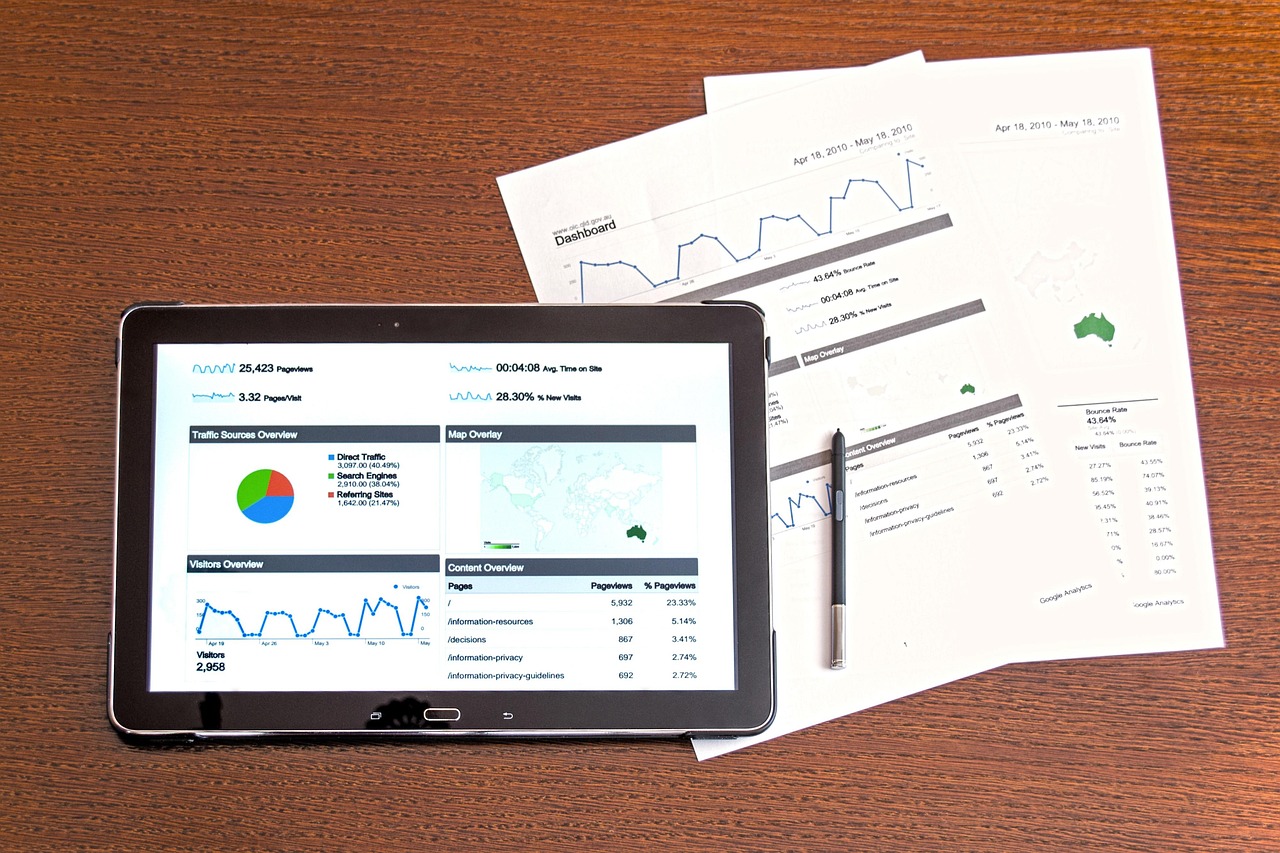

Top-Recommended Analytics Platforms for Influencer Marketing
Choosing the right analytics tool for influencer marketing is crucial for measuring success and optimizing campaigns. Platforms like HypeAuditor offer in-depth insights into influencer profiles, engagement metrics, and audience authenticity. With the growing importance of analytics in social media, many brands are leveraging data-driven strategies to inform their marketing efforts. Additionally, HypeAuditor provides comparisons of influencers based on metrics, making it easier to select suitable partners for brand collaborations. Another popular option is BuzzSumo, which not only helps track influencer performance but also allows users to discover trending content. The ability to analyze audience engagement and identify top-performing posts aids brands in their decision-making processes. Socialbakers is another powerful platform that leverages AI to provide actionable insights and comprehensive reports on social media performance. By understanding metrics through platforms like these, brands can make informed adjustments to enhance their influencer marketing strategies and align their goals with measurable outcomes.
Another essential tool many marketers utilize is Sprout Social. This analytics platform focuses on social media management and offers dedicated features for analyzing influencer collaborations. With metrics like engagement rates, reach, and audience demographics, Sprout Social enables brands to learn more about their influencer strategies. The platform also provides additional features, including scheduling and bi-directional communication with influencers, enhancing the collaboration experience. Keyhole specializes in real-time social media analytics and trackability, offering insights into ongoing campaigns’ performance. Its comprehensive dashboard allows marketers to analyze mentions, hashtags, and posts in real-time, further optimizing influencer partnerships. Furthermore, brands can gain valuable information about their audience’s sentiments and preferences by utilizing these analytics tools. This understanding can significantly enhance campaign results and improve overall engagement. Integrating such platforms into marketing strategies ensures lasting relationships with influencers, benefiting both parties involved. Using diverse metrics and analysis types allows marketers to continuously refine their influencer marketing strategies based on actionable data.
Valuable Features of Influencer Marketing Tools
When exploring analytics platforms for influencer marketing, be sure to consider the features they offer. For instance, Influencity provides tools for influencer discovery, audience analysis, and campaign performance tracking. Marketers can leverage data concerning reach, impressions, and engagement to justify partnership decisions. Having direct access to audience demographics helps brands identify the best influencers catering to their target market. Furthermore, its campaign management system allows users to streamline their collaboration processes effectively. Another essential aspect is the ability to monitor and analyze competitors’ influencer strategies. Tools like NetBase specialize in social media monitoring, allowing brands to see how competitors engage and grow their audience through influencer marketing. By analyzing various approaches in the industry, businesses can improve their strategies accordingly. Traackr is another leading platform providing a comprehensive database of influencers, alongside robust performance metrics. Combining these various features enables marketers to plan and execute more effective influencer campaigns, ultimately boosting their brand’s visibility. Tailoring strategies based on analytics can significantly influence marketing outcomes.
To maximize campaign effectiveness, brands should focus on collaboration features offered by these tools. For example, Upfluence allows businesses to manage all aspects of influencer outreach. The tool offers features such as influencer recruitment, relationship management, and campaign tracking in one centralized platform. Specific metrics analyze performance, making it easier to choose the right influencers and gauge the success of partnerships. Moreover, a platform like Klear provides comprehensive influencer profiles, audience insights, and engagement metrics. This tool helps brands not only select the right influencers but also establish lasting relationships based on data. By centering their strategies around qualitative and quantitative insights, companies can attain long-term success in influencer marketing initiatives. The versatility of these analytics tools allows marketers to refine and adjust campaigns dynamically. Consequently, developing a robust and sustainable influencer marketing strategy becomes feasible for businesses of all sizes. Understanding the metrics and maintaining open communication with influencers through these tools is key to achieving desired outcomes.
Leveraging Data for Campaign Optimization
It’s essential to leverage the data from analytics tools effectively. Many brands utilize Simply Measured for its in-depth reporting capabilities. This platform provides in-depth analysis and visualization tools, allowing brands to gain insights into their influencer campaign’s performance at a glance. With the ability to customize reports based on various metrics, brands can easily identify trends and adjust their strategies accordingly. Enhancing the campaign performance through continuous evaluation ensures sustained success for influencer partnerships. Additionally, the platform allows collaboration between team members, streamlining the feedback process. Utilizing data effectively in real-time leads to increased responsiveness and adaptability. Another recommended tool, Iconosquare, focuses on Instagram and offers powerful analytics tailored for this platform. With historical data tracking, brands can analyze past performances and predict future outcomes based on trends. This capability enhances planning for upcoming campaigns, making an informed decision easier when selecting influencers to collaborate with. By utilizing these specialized analytics platforms, brands can create tailored, data-driven marketing strategies that resonate with their target audiences and ultimately drive positive engagement.
Using analytics tools also fosters increased transparency in influencer marketing. Platforms like Fohr enable brands to communicate openly with influencers about expectations, performance, and compensation. Through detailed reporting, both parties can review the campaign’s success and identify areas for improvement. This level of transparency builds trust, allowing for stronger partnerships and more effective collaborations. Brands need to understand not only the overall engagement metrics but also the qualitative aspects of influencer partnerships. Furthermore, Followerwonk excels in providing insights into Twitter influencer engagement, enhancing marketing efforts on this platform. With tools for analyzing followers, tweets, and reach metrics, brands can refine their strategies to ensure maximum impact. Continual evaluation leads to a better understanding of audience sentiment, allowing marketing teams to adjust their messaging accordingly. Making informed adjustments based on detailed analytics ensures brands maintain consistent and effective influencer partnerships, fostering growth in brand awareness and consumer engagement over time. Building a data-driven influencer marketing strategy can ultimately strengthen brand reputation and achieve greater success.
Conclusion and Final Thoughts
In conclusion, leveraging the right analytics platforms for influencer marketing significantly contributes to the overall effectiveness of campaigns. With tools like BrandSnob, businesses can gain insights while also accessing a diverse range of influencers. Understanding campaign metrics enables brands to identify strengths and weaknesses in their strategies. Additionally, platforms specializing in audience analysis reveal invaluable data about consumer preferences, fueling long-term growth. Integrating these analytics effectively creates optimal partnerships between brands and influencers, ensuring mutual success. Collaboration with influencers based on thorough metrics enhances communication, fostering trust throughout the marketing process. As brands continue navigating the influencer landscape, utilizing advanced analytics tools will remain essential for achieving desired outcomes. By adopting data-driven approaches alongside maintaining creativity, marketers can ensure successful influencer marketing campaigns moving forward. Constantly adapting strategies based on reliable data fosters optimization and effectiveness. Brands that prioritize analytics in their marketing frameworks will find immense opportunities for growth and engagement as the industry evolves. Therefore, investing in reputable analytics platforms is crucial for maximizing influencer marketing potential and sustaining brand presence.
The increasing importance of analytics tools in influencer marketing cannot be overstated. These platforms provide marketers with critical insights essential for refining strategies and enhancing campaign performance. The ability to track metrics, analyze engagement levels, and understand audience demographics involves gaining a competitive edge. With data-driven insights, brands can ensure their investments yield significant returns, ultimately fostering better consumer relationships. A multi-faceted approach to analytics helps businesses uncover emerging trends, allowing for timely adjustments to campaigns. Consequently, brands become equipped to navigate the dynamic landscape of social media effectively. Moreover, influencer marketing will continue evolving, driving the need for innovative analysis techniques. As markets become more saturated, standing out through informed analysis becomes increasingly critical in marketing strategies. This ensures brand messaging is not only effective but also resonates with target audiences. Analytics platforms can transform how creators and brands collaborate, leading to a more structured and meaningful connection. Moreover, as marketers continue to prioritize data in their decision-making processes, the importance of strong analytics platforms will only grow. The journey towards successful influencer marketing relies heavily on the data gleaned from these platforms.