
Employee Advocacy Metrics to Identify Content Resonance
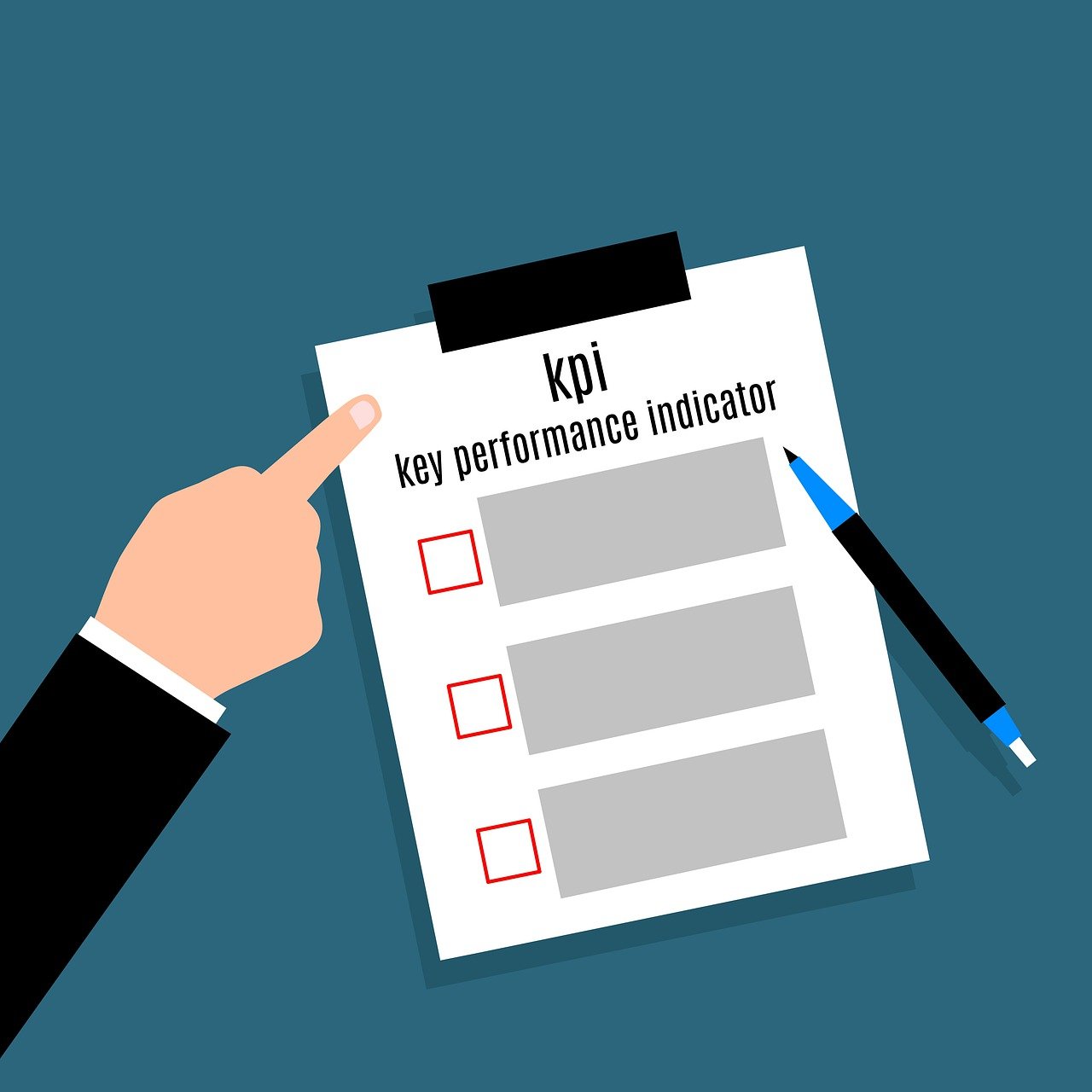
Understanding and effectively measuring employee advocacy metrics is crucial for organizations. These metrics help assess the impact of advocacy initiatives on content engagement and reach. It allows companies to identify which content resonates most with their audience. Tracking specific key performance indicators (KPIs) helps to derive actionable insights, informing future content strategies. Metrics such as engagement rates, shares, and comments are essential to evaluate the effectiveness of employee advocacy. Additionally, employing tools that aggregate social media insights can further enhance this measurement process. Organizations need to establish a baseline for their advocacy efforts to understand the growth and shifts in performance over time. By focusing on these metrics, companies can foster a culture of advocacy that empowers employees and promotes authentic content sharing. Conducting regular assessments of these KPIs enables businesses to adjust their strategies as necessary. It turns employee insights into tangible actions that drive marketing and brand awareness. Therefore, making these metrics a priority is vital to the success of any employee advocacy program.
Employee engagement metrics form the foundation of assessing employee advocacy success. Monitoring participation rates in advocacy programs is vital for gauging initial interest. Having a clear understanding of the number of employees interacting with shared content reveals overall engagement. Additionally, tracking the conversion of advocates into active promoters aids in determining the program’s growth. KPIs such as the number of monthly shares per employee provide insight into regular engagement levels. Social listening tools can also come in handy for real-time feedback on employee-shared content. Evaluating comments and mentions, both positive and negative, uncovers sentiment behind shared content. High levels of positive sentiment can indicate strong resonance with the audience. Moreover, monitoring the interaction between employees and potential clients can lead to discovering new opportunities, helping companies tailor their approach effectively. Incorporating qualitative feedback alongside quantitative metrics helps paint a clearer picture of how advocacy content is perceived by different stakeholders. Ultimately, a comprehensive engagement metric strategy will provide leadership with the intelligence to refine advocacy techniques.
Social Media Performance Indicators
Social media performance indicators (SMPI) are critical in evaluating the reach of advocacy campaigns. Metrics such as impressions, reach, and click-through rates shed light on how many individuals are exposed to employee-shared content. This data directly correlates to the overall visibility of the employee advocacy efforts. Monitoring these metrics over time helps identify spikes or declines in content engagement, signaling what specific pieces or messages resonate better with audiences. Furthermore, analyzing the type of content shared can offer insights into preferred formats, be it videos, articles, or images. Adjusting the content strategy based on this knowledge can significantly boost performance. Reviewing platform-specific metrics could help organizations focus on where their audience spends the most time. For example, if LinkedIn engagement is high compared to Twitter, it may be wise to prioritize content created for that platform. Ultimately, by continuously assessing social media performance indicators, companies can enhance their employee advocacy initiatives, ensuring they remain relevant and impactful.
Conversion metrics play an essential role in linking employee advocacy efforts to tangible business outcomes. Measuring conversions from shared content to desired actions is vital in understanding ROI. This involves tracking progress through customer journeys—from initial awareness to final purchase. Setting up tracking systems, such as unique URLs, ensures businesses can successfully attribute conversions to specific advocacy efforts. Additionally, examining lead generation, client acquisition, and sales attributed to employee-shared content helps quantify the financial impact of advocacy initiatives. Advocacy programs should clearly define their goals to assess conversions accurately. Comparing conversions against industry benchmarks provides further context on performance. Moreover, identifying high-performing advocates contributes to recognizing best practices, which can be leveraged across the organization. Regularly reviewing conversions can lead to ongoing adjustments in messaging that strengthen advocacy outcomes. As conversion metrics improve, organizations will be better positioned to justify investment in employee advocacy programs, highlighting their role in overall business performance. Thus, a focus on concrete conversions must be central to measurement frameworks.
Engagement With Internal Stakeholders
Measuring engagement with internal stakeholders provides another dimension to understanding content resonance. Collecting feedback from employees about shared content reveals how well the advocacy program resonates internally. Conducting surveys or interest groups can pinpoint areas of improvement or successful strategies. Moreover, capturing qualitative insights alongside quantitative metrics enriches the understanding of employee attitudes toward advocacy. Understanding why employees choose to share certain content creates a roadmap for replicating successful practices organization-wide. Monitoring participation in internal and external events, such as webinars and conferences, shows how engaged advocates are with initiatives. Internal engagement can translate into enthusiasm when content is shared externally. Additionally, evaluating cross-departmental collaboration in advocacy efforts signifies broader buy-in of the program. When employees feel included and valued in these initiatives, they are more likely to share and engage authentically. Therefore, fostering strong internal engagement will invariably enhance external advocacy outcomes, creating a culture of shared objectives and mutual success.
Audience demographics also play an influential role in measuring advocacy impact. Understanding who engages with employee-shared content lays the foundation for tailored communications. Organizations should monitor metrics such as audience recommendations, follower growth, and engagement nuances across specific demographics. This knowledge allows businesses to adapt their content strategies to cater to audience preferences effectively. Segmenting audience engagement data by factors like age, location, and industry can provide deeper insights. Furthermore, analyzing demographic performance helps organizations identify underrepresented groups that may warrant targeted outreach. Ongoing assessments of audience demographics ensure that companies remain connected to evolving audience needs. A dynamic understanding of who engages with advocacy content is instrumental in shaping future messaging. Metrics related to audience retention and loyalty reveal how well advocacy efforts translate into lasting relationships. By focusing on audience demographics and interactions, organizations can strengthen the impact of their employee advocacy programs and drive continual improvement.
Setting Goals and Benchmarking
Establishing clear goals and benchmarks is essential for tracking the success of employee advocacy initiatives. Organizations should implement SMART criteria—Specific, Measurable, Achievable, Relevant, Time-bound—to formulate their advocacy objectives. By outlining specific objectives, such as increasing share rates or growing audience reach, businesses can build actionable strategies. Regular benchmarking against industry standards aids in assessing performance and identifying areas for enhancement. Consistently reviewing these benchmarks ensures initiatives remain relevant in a fast-evolving digital landscape. Additionally, setting incremental goals fosters a culture of ongoing improvement and motivation among employees engaged in advocacy. Encouraging teams to contribute creative ideas toward achieving these benchmarks generates a sense of ownership and investment in the program. Over time, evaluation of achievements against these established goals informs leadership about overall progress. Organizations can adjust strategies as necessary and celebrate milestones reached, reinforcing the importance of the advocacy initiative. By prioritizing goal setting within metrics evaluation, enhanced employee advocacy can significantly impact brand visibility.
In conclusion, effectively measuring employee advocacy metrics is indispensable for developing strategies that resonate with target audiences. Business leaders must leverage insights derived from metrics and KPIs to refine their content plans continually. The dynamic landscape of social media demands agility, and organizations must remain willing to adapt as trends shift. By fostering an ongoing dialogue about advocacy metrics, stakeholders can stay informed about engagement outcomes. Furthermore, investing in training employees on existing best practices around personal branding will enhance advocacy effectiveness. This internal commitment leads to a stronger alignment between individual advocates and corporate goals. Developing a culture where sharing becomes the norm cements the organization’s mission in a visible way. Organizations that effectively measure and respond to advocacy metrics showcase their leadership and commitment to building strong brand narratives. Considering the significance of surrounding content resonance with their audiences enables companies to connect meaningfully with their consumers. Thus, embedding these metrics within a strategic framework promotes lasting engagement that advances both the employee experience and broader business objectives.