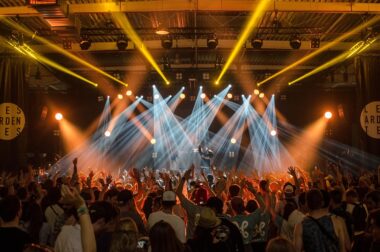

Using Snapchat Filters for Political Campaign Events
Snapchat has increasingly become a vital tool for engaging younger audiences during political campaign events. With unique features like filters, candidates can enhance their visibility and relatability. These filters are designed to resonate specifically with voters, turning mundane campaign events into engaging experiences. When used effectively, they spread awareness and amplify a candidate’s message. Filters can be used for various events such as rallies, town halls, or fundraisers, adding a colorful touch to the campaign. Campaign teams can create a fun, interactive atmosphere where attendees feel more connected to the candidate. The ability to customize filters according to the event theme allows politicians to express their values creatively. Moreover, users who interact with the filters often share their experiences across social media platforms, reaching a broader audience and encouraging conversations. Incorporating Snapchat filters into campaign strategies not only attracts attention but also motivates participation. Overall, these features help build a candidate’s narrative, attract volunteers, and connect with constituents on a more personal level. It is crucial to leverage this platform effectively, especially considering young voters’ increasing influence in elections.
Political campaign events can significantly benefit from Snapchat filters as they offer a way for attendees to engage actively with the candidate’s message. Using AR technology, these filters create immersive experiences for users, facilitating connections between politicians and their audience. Attendees can take photos or videos using these filters, adding a fun element to the events. By incorporating relevant symbols or quotes from the candidate, filters can emphasize key campaign messages. As users share these images online, they inadvertently promote the campaign, showcasing their support to their followers. This amplification increases visibility and boosts the candidate’s reach beyond the event’s attendees. Additionally, incorporating popular culture elements into filters can make them more appealing to younger voters, establishing a relatable atmosphere. The more creative and unique the filters, the more likely attendees will engage with them. Assessing the effectiveness of Snapchat filters at events is essential for future campaigns. Feedback can be garnered through social media analytics on the engagement metrics, gaining insights into what resonates with voters. Analyzing this data aids in refining future filter designs and improving campaign strategies to maximize impact.
When designing Snapchat filters for political events, it is essential to consider their target audience carefully. Tailoring filters to appeal to specific demographics ensures the message resonates strongly with prospective voters. For instance, incorporating local landmarks in city events can establish a connection with residents. The use of colors, logos, or taglines should align with the candidate’s branding and values. Combining these elements fosters a sense of pride and affiliation among supporters. Furthermore, the involvement of the local community can enhance the relevance of filters, encouraging grassroots participation. Collaborating with local artists for filter designs enriches the campaign with cultural significance. Filters can also feature quotes from the candidate, allowing attendees to express their enthusiasm openly. It is vital to ensure that filters are visually engaging; users are more likely to utilize them if they find them appealing. A strong call to action within the filter can motivate users further to share the message on their social media profiles. This approach serves to amplify the campaign’s visibility, reaching voters on platforms where they spend a significant amount of their time.
Engagement Strategies Using Snapchat Filters
Engaging voters through Snapchat filters requires creativity and a clear strategy. One effective approach is to run contests encouraging users to utilize the filters and post their pictures. Offering incentives, such as campaign merchandise, can drive participation and excitement. Campaigns can also create specific hashtags to track and promote filter usage effectively. This strategy can lead to increased online conversations and boost reach. Additionally, collaboration with influencers who resonate with target demographics can amplify filter engagement further. Influencer partnerships offer credibility and attract followers to the campaign, leveraging their existing audiences. Strategizing when to launch filters is equally important; promotional events or key milestones in the campaign can create a buzz. Scheduling filter releases aligned with important dates can maximize visibility and engagement. Furthermore, analyzing each campaign’s performance can guide future efforts. Employing metrics such as filter usage rates and audience interactions allows teams to assess success and improve future strategies. Ultimately, setting clear goals ensures effective engagement and learning opportunities for future political endeavors.
Snapchat’s interactive nature poses unique opportunities for political campaigns while presenting certain challenges. Understanding user behavior is crucial; younger users initiate and participate in trends often. Thus, filters must stay fresh and relevant to retain interest. Frequent updates can keep the campaign dynamic, fostering continued interaction. However, it is equally important to maintain a consistent theme aligning with the candidate’s values. Insulting or overly aggressive filters can alienate potential supporters; creating filters that encourage positivity and inclusivity attracts broader audiences. Campaign managers must monitor social media conversations to gauge reactions promptly. Feedback collected from user interactions offers invaluable insights into how filters perform in the public sphere. Furthermore, real-time adjustments based on performance can significantly influence the campaign’s trajectory. With Snapchat’s features, campaigns have the potential to influence public discussions and bolster community support, especially among younger demographics. This adaptability is key to harnessing Snapchat fully in reaching political goals. Staying aware of trends in social media engagement offers further opportunities to enhance campaign visibility and citizen participation in the political process.
Measuring Impact of Snapchat Filters
Measuring the success of Snapchat filters during political campaign events is essential for strategic refinement. Tracking metrics such as filter usage rates provides insights into engagement levels among attendees. Observing the volume of shares and photo/video posts on public profiles can reveal the filter’s reach and effectiveness. Campaign teams should also consider user feedback, collecting opinions directly from participants about their experience with filters. Analyzing this qualitative data can uncover insights into what resonates and what requires improvement. Additionally, using social media analytics tools can help gauge overall campaign sentiment, assisting in measuring the impact on public perception. By monitoring trends, campaigns can identify peak engagement times, guiding future filter strategy. Surveys can be distributed to voters post-event, gathering more in-depth feedback. This data-driven approach can inform campaign decisions continually and adapt strategies effectively. The goal should be to create filters that not only increase visibility but also resonate emotionally, connecting with voters on a deeper level. Ultimately, these measurements provide valuable insights that can shape future political campaigns, ensuring messages remain relevant and impactful among target audiences.
Utilizing Snapchat filters presents an innovative way to engage the public during political events while embracing technology. These interactive features allow candidates to connect with younger voters effectively while visually representing their campaign. As political landscapes evolve, staying updated on trends in digital engagement becomes essential for candidates aiming to draw in supporters. Snapchat’s ability to revolutionize political communication reflects the necessity of adapting strategies to reach new demographics. Investing time and resources into developing thoughtful, engaging filters will keep campaigns current and relatable. Filters foster a community atmosphere, encouraging participation from attendees and further broadening the campaign’s message. They not only create memorable experiences at events but also instill a sense of belonging and pride among supporters. By integrating conventional campaigning materials with innovative features, candidates can deliver a powerful message that resonates with modern voters. Over time, continuous improvements to filter designs will help refine approaches and maximize engagement potential. Embracing Snapchat’s unique features is a step towards creating a contemporary political campaign that resonates authentically in an ever-evolving digital landscape.
By integrating Snapchat filters into their strategies, political campaigns can successfully navigate the shifting dynamics of voter engagement. The strategic use of these filters enhances the visibility of events while promoting candidates’ messages creatively. When used thoughtfully, these digital tools can ignite conversations and empower supporters to spread a message. Consequently, merging traditional campaigning methods with modern technology shapes a unique platform for engagement. Filters facilitate not only interactive experiences but also drive organizational growth as engagement metrics improve. Each campaign can learn from successes and failures, adapting to meet the unique needs of their constituents. By maintaining an open dialogue with voters and making continuous improvements, campaigns can build lasting connections. Fostering a community culture enhances voter participation significantly while reflecting the influence of younger voters in contemporary politics. The potential for growth in voter turnout through innovative engagement strategies highlights the importance of integrating platforms like Snapchat into campaign planning. Ultimately, the connection between digital engagement and successful political outreach reveals the evolving nature of modern elections.