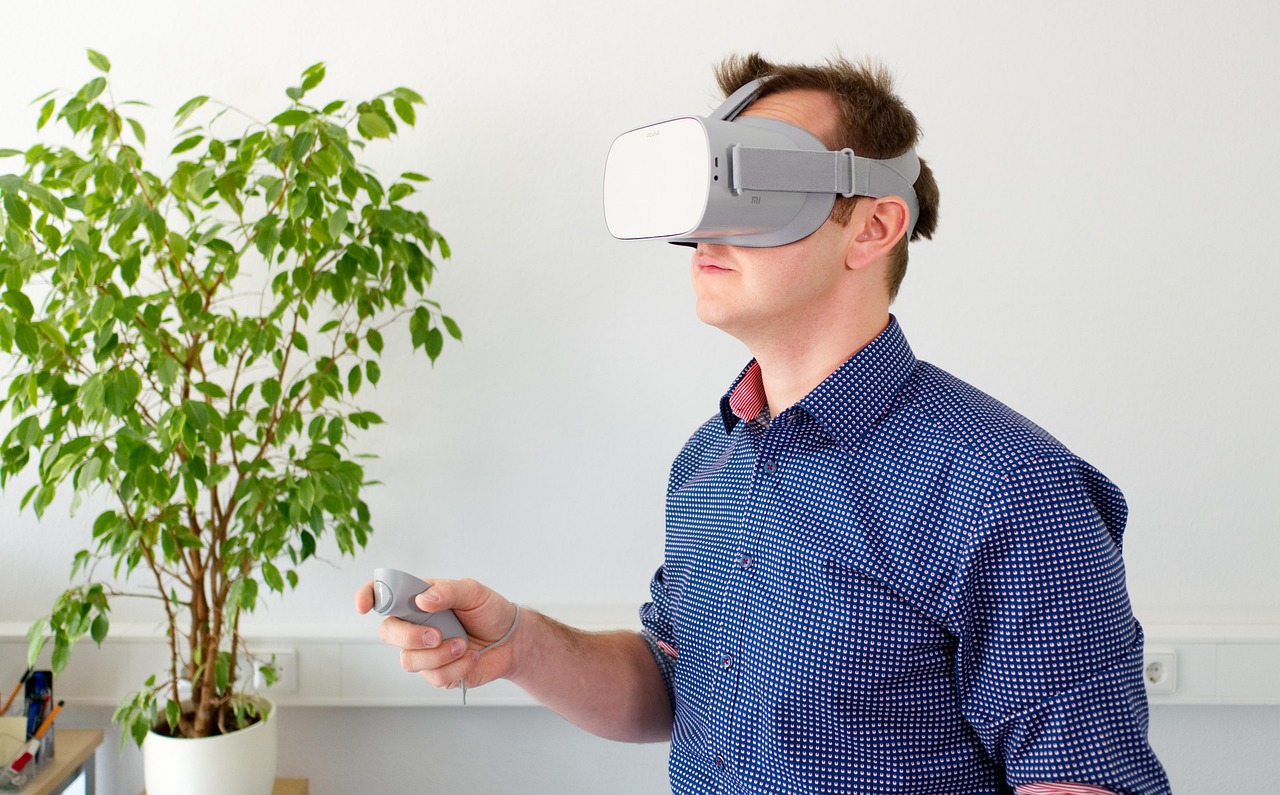

Virtual Reality and Assistive Technologies in Accessible Social Media Experiences
In the evolving landscape of social media, accessibility is becoming a critical focus, especially as **assistive technologies** like virtual reality (VR) emerge. These tools hold the potential to reshape how users with disabilities engage with social platforms. VR offers immersive experiences, which can be tailored to meet specific user needs, bridging the gap between users and the digital experiences they seek. The accessibility of social media is not just about altering visual elements; it involves creating environments where everyone can participate. VR can transform how individuals interact with platforms by providing customizable interfaces. For example, users with mobility impairments can navigate virtual environments with ease. By integrating assistive tech like eye-tracking devices, content consumption can become more intuitive. Additionally, virtual reality can simulate real-life scenarios, allowing users to practice interactions in a safe space. By prioritizing accessibility, social media companies have an opportunity to foster inclusivity and community. There is significant potential for developing **best practices** in creating accessible content that can be experienced through VR. Overall, these technologies offer enormous opportunities for enhancing social media engagement.
The implementation of assistive technologies within social media is not just beneficial for users with disabilities; it also contributes to a greater understanding of inclusivity. **User experience designers** are increasingly responsible for ensuring that platforms cater to a diverse audience. With the integration of virtual reality into social media, designers can create experiences that offer alternative methods of interaction that are often more engaging. Users can enjoy multi-sensory experiences that traditional platforms may not offer, such as sound cues and haptic feedback that further enrich interactions. Another aspect is accommodating different disabilities, like auditory processing disorders, enabling users to customize their environment. Tools like captions and audio descriptions can enhance comprehension and enjoyment. Additionally, these experiences can help raise awareness among non-disabled users about the challenges faced by individuals with disabilities. As VR technologies advance, it is essential for developers to prioritize accessible design from the outset. This proactive approach fosters an inclusive society online. When companies leverage assistive technologies effectively, they not only improve individual experiences but also cultivate a culture of acceptance and understanding on social media platforms.
Moreover, virtual reality can also facilitate a deeper sense of community among users with disabilities through shared experiences. By allowing individuals to engage in interactive environments, social media platforms can break down physical barriers that often isolate users. Imagine participating in virtual meet-ups where users can engage with others who have similar interests without worrying about accessibility constraints. This sense of connection can enhance social interactions, making users feel seen and heard within the digital realm. Furthermore, advancements in haptic technology enable users to interact more naturally, responding to virtual elements with physical sensations. This is particularly important for individuals who may rely on tactile feedback to understand their surroundings. Organizations can foster these communities by developing tailored content and experiences for users, ensuring that everyone has a voice. The creation of localized, VR-enhanced environments can encourage participants to collaborate and engage actively. To truly maximize the potential of VR in social media, developers need to consider personalized content experiences.** By doing so, users can create meaningful relationships and dialogues in safe virtual spaces without traditional limitations.
Challenges in Implementing VR for Accessibility
Despite its potential, the integration of VR in making social media accessible comes with several challenges. One of the primary issues is the cost associated with VR technology, which remains comparatively high. Not all users have access to the hardware needed for a fully immersive experience, limiting the reach of these innovations. Moreover, the adaptation process can be daunting for some individuals, particularly those unfamiliar with advanced technology. Developers and social media platforms must invest in user education to alleviate these concerns. Additionally, there are concerns regarding content compatibility among various devices, as not all users may own the latest VR headsets. Ensuring cross-platform access is essential for inclusivity. To counter these challenges, it is essential for tech developers to collaborate with accessibility advocacy groups. By seeking feedback and embedding users’ experiences into the design process, developers can ensure that VR innovations are genuinely beneficial. Furthermore, testing with a diverse population can help identify specific barriers faced by users. Addressing these challenges is crucial in realizing the full potential of VR in enhancing social media accessibility. Only through persistent efforts will a more inclusive environment become reality.
Another challenge related to virtual reality and accessibility in social media is ensuring compliance with legal standards, like the **Americans with Disabilities Act (ADA)**. Platforms must navigate complex regulations regarding what constitutes accessibility. Furthermore, as VR is a relatively new field, existing guidelines may not adequately address emerging technologies. This can create confusion about how to implement necessary features to ensure compliance. Social media platforms need to adopt a proactive approach to fulfilling their legal obligations by prioritizing accessibility from the initial development stages. Consistent testing and monitoring can help platforms adapt as regulations evolve. Additionally, training content creators to understand the significance of accessibility can play a role in fostering more inclusive environments. As the number of users relying on VR increases, developers must recognize their responsibility to uphold these standards. Collaborating with organizations and experts in accessibility can guide platforms on best practices while simultaneously promoting a culture of inclusion. Continuous investment in accessibility is paramount as VR becomes increasingly prevalent in social media contexts, ensuring that all users can enjoy engaging with their communities online.
Social media platforms are also encouraged to gather user feedback continuously on their VR implementations. This adaptive approach can ensure that technologies are meeting the evolving needs of users with disabilities. Surveys and assessments can help organizations understand the effectiveness of their VR tools and identify areas for improvement. Additionally, effective communication channels are necessary for users to report challenges they face while using VR features. By fostering an open dialogue with the community, platforms can cultivate trust and loyalty among users who feel heard. Moreover, integrating **AI-powered** tools in the feedback process might streamline how suggestions and challenges are interpreted and acted upon. Machine learning models can analyze trends in user feedback, highlighting common issues and suggesting potential areas for further development. As the technology continues to grow and evolve, adapting based on user input will enable platforms to remain relevant and effective. This focus on user-centered design can lead to innovations that enhance experiences across the board, ultimately benefiting the diverse social media landscape. Creating engaging platforms must always consider the varied backgrounds of their users.
The Future of Assistive Technologies in Social Media
Looking ahead, the future of assistive technologies in social media, particularly through virtual reality, promises to revolutionize engagement and accessibility. Emerging technologies will allow for even more immersive interactions, enabling awareness and understanding among users from different backgrounds. As companies invest in research, there will likely be a surge in VR applications equipped with advanced accessibility features, improving user experiences dramatically. Anticipated developments may include more intuitive interfaces for navigation, making it easier for users with diverse needs to interact. Furthermore, artificial intelligence is expected to play a significant role in tailoring experiences for individual users, streamlining content delivery based on preferences and abilities. This could create a truly personalized social media landscape where users feel valued and included. As accessibility becomes a priority for most social media platforms, the shift in user engagement might outweigh prior limitations. This evolution will foster a culture where every individual can contribute and participate fully in digital communications. Ultimately, as support for assistive technologies increases, social media can become a more collaborative, empathetic, and unifying environment for all.
In conclusion, understanding the potential of virtual reality and assistive technologies in enhancing social media accessibility is crucial in today’s digital landscape. Implementing these technologies fosters inclusivity and enriches users’ experiences, ensuring that no one is left out. While challenges exist, such as costs and compliance with regulations, the rewards of creating a more inclusive environment far outweigh the hurdles. Continuous collaboration between developers, users, and advocacy groups will be essential in identifying effective solutions and promoting best practices. By placing accessibility at the forefront of innovation, social media can transform how users with disabilities interact with the online world. With the advancement of virtual reality technology, the potential for enriched social networks will be boundless. Investing in accessibility ensures that diverse communities can thrive, ultimately resulting in a more compassionate and understanding society. Users who feel included in their social networks are more likely to participate actively in discussions and engagements, enhancing meaningful connections. As we move forward, it will be critical for social media platforms to champion accessibility in their missions, redefining community interaction in the digital age.