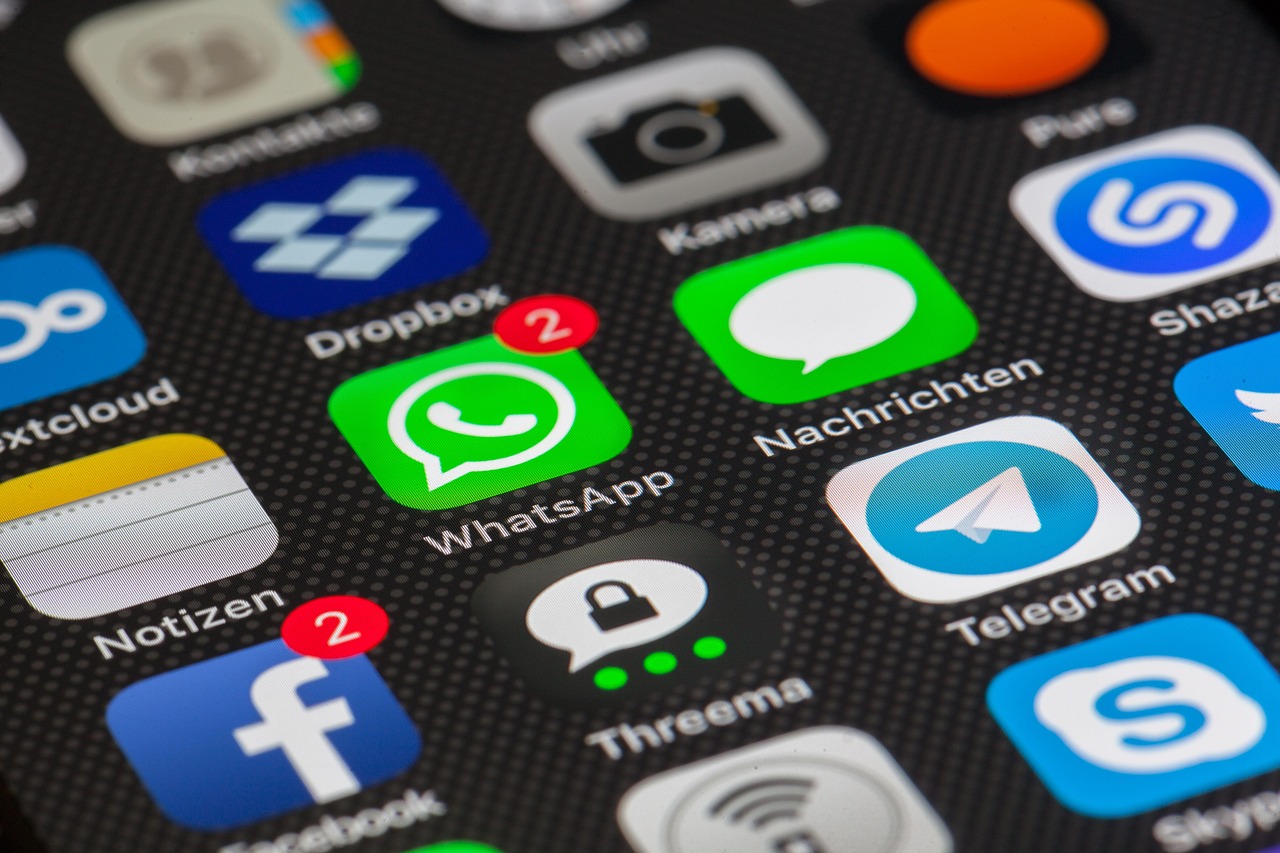

Exploring the Growth of Messaging Features on Mobile Platforms
In recent years, mobile social media messaging has surged in popularity, reshaping how people communicate. Messaging platforms like WhatsApp and Facebook Messenger have introduced various features that enhance user experience. This rapid growth is influenced by several factors. First, the rise of smartphones has made messaging accessible to more individuals globally. Users appreciate the ability to send messages instantly, allowing them to stay connected with friends and family. Additionally, the integration of multimedia capabilities, such as sharing images, videos, and voice notes, has enriched conversations and made messaging platforms more versatile. Consequently, messaging apps now serve as primary communication tools for many users, often replacing traditional SMS services. As users seek efficient communication methods, they gravitate towards these powerful platforms. Moreover, the push toward privacy features, such as end-to-end encryption, has contributed to the appeal, ensuring that conversations remain secure and confidential. This evolution presents new opportunities for brands as they adapt to the changing landscape of mobile social communications. They leverage these platforms for customer engagement, reaching audiences more effectively through targeted messaging. Thus, the trends observed in mobile social media messaging hold significant implications for future interactions.
As mobile messaging becomes increasingly popular, it’s essential to understand the demographics driving this shift. A substantial portion of the user base consists of younger audiences who prefer instant messaging over traditional forms of communication. Statistically, around 73% of individuals aged 18 to 29 use messaging apps regularly. This trend escalates as users discover benefits unique to these platforms. Messaging apps are not only user-friendly but also designed for social engagement. Moreover, these platforms have integrated community features, allowing users to join groups and participate in discussions, fostering connections on various topics. The integration of chatbots within messaging platforms has transformed customer service channels, offering instant responses to queries. This innovation provides users with seamless interactions, enhancing brand loyalty and experience. Another factor driving mobile messaging usage is the global accessibility of the internet, enabling real-time communication across borders. Users can connect regardless of location, which is vital for maintaining relationships in a globalized world. Additionally, the appeal of multimedia sharing adds vibrancy to conversations, allowing users to express themselves creatively. Overall, the demographics supporting mobile messaging growth reflect a shift towards more engaging and dynamic methods of digital communication.
The Impact of Multimedia on Messaging
Multimedia elements have revolutionized mobile social media messaging, significantly changing how users interact. Text messages alone can often seem inadequate for expressing emotions and intent. Consequently, users have embraced the incorporation of images, emojis, and videos into their conversations. For instance, the use of GIFs has become popular, allowing users to convey humor or feelings succinctly. This shift towards multimedia enhances engagement and adds depth to conversations. Importantly, platforms continuously evolve to include new formats, such as stories and short videos, appealing to users’ creative sides. The convenience of these features means users can convey complex messages quickly. Moreover, the rise of filters and augmented reality (AR) effects enables users to customize their images and videos, fostering a more personalized communication experience. As users turn to these multimedia capabilities, brands recognize the potential for innovative advertising strategies through these platforms. They tap into the creatively rich environment of mobile messaging, crafting targeted advertisements that resonate with users. The interplay between multimedia elements and messaging underscores a significant cultural shift in communication preferences and provides insights for marketers navigating this dynamic landscape effectively.
Privacy concerns are paramount in the conversation surrounding mobile social media messaging. With growing awareness about data security, users increasingly prioritize platforms that offer robust privacy features. Consequently, messaging apps that provide end-to-end encryption have risen in popularity, appealing to security-conscious users. The need for secure communications has become critical, particularly in light of rising cyber threats and data breaches. Thus, companies that prioritize user privacy can differentiate themselves in a competitive market. Users are more likely to engage with brands that demonstrate a commitment to protecting personal information. Additionally, the rise of ephemeral messaging, which allows messages to disappear after being viewed, caters to users seeking privacy and discretion in their conversations. These features create a sense of confidence about what is shared in a conversation. As a result, the demand for private messaging options has led to innovations in messaging technology. Messaging apps continually enhance their security measures to maintain user trust while adhering to privacy regulations. This growing emphasis on privacy will shape the future features of mobile messaging services, creating a landscape where users can communicate without fear.
The Role of Bots and Automation
The integration of bots and automation has significantly influenced mobile social media messaging trends in recent years. Brands leverage these technologies to enhance customer interaction, providing instant support and information to users. The rise of artificial intelligence (AI) has facilitated the development of sophisticated chatbots capable of addressing various customer queries efficiently. Unlike traditional customer service methods, chatbots offer 24/7 availability, ensuring users can always find assistance. Moreover, their ability to analyze user interactions allows these bots to deliver personalized experiences, enhancing user satisfaction. Companies are increasingly adopting these technologies as a cost-effective solution for handling customer inquiries. Through automated responses and conversational AI, businesses can streamline operations while improving communication quality. However, the human element remains crucial in scenarios where complex issues require human intervention. Subsequently, a harmonious blend of AI and human support can ensure users receive comprehensive and satisfactory assistance. This trend of utilizing bots exemplifies the evolution of mobile messaging, catering to user needs while driving operational efficiency. As technology advances, we can anticipate more innovative applications of bots within messaging platforms, further shaping the future of social media interactions.
The future of mobile social media messaging is incredibly promising, characterized by continued innovation and transformation. Emerging technologies such as augmented reality (AR) are reshaping the communication landscape, providing immersive experiences that go beyond traditional messaging. As platforms incorporate AR, users can engage with content in ways that were previously unimaginable. For example, in-app experiences allow users to visualize products through AR, helping them make informed purchasing decisions. Alongside this, user-generated content remains a driving force, fueling creativity and connection among users. Additionally, businesses are embracing these trends by adopting advanced analytics to understand user behavior better. Insights derived from user interactions enable companies to tailor marketing messages effectively, fostering deeper connections with potential customers. These developments indicate a future where messaging platforms serve as multifunctional spaces for communication, shopping, and entertainment. The integration of transactions within messaging apps is another exciting trend, allowing users to buy products without leaving the conversation. As social media messaging platforms evolve, they will play a pivotal role in shaping digital communication strategies for brands and users alike, driving engagement and fostering relationships in an increasingly digital age.
Conclusion: Embracing Change
In conclusion, the growth of messaging features on mobile platforms underscores a significant shift in user communication habits. As users lean towards more engaging and dynamic forms of interaction, messaging apps continue to adapt to these preferences. The incorporation of multimedia elements, bots, and privacy features demonstrates the evolution of these platforms, aligning with user expectations and needs. Furthermore, the demographic shifts indicate that messaging will remain a vital part of social media, especially among younger generations. Companies looking to capitalize on these trends must consider how they can implement innovative solutions that resonate with their audiences. By embracing these changes, brands can enhance their customer experiences and foster loyalty. Mobile messaging is not merely a trend; it represents a fundamental change in how human connections are forged in the digital landscape. The implications for marketing and communication are vast, highlighting the importance of staying attuned to new developments within this space. As we progress, embracing these transformations will be essential for securing a competitive advantage in this ever-evolving landscape of social media communication.
The rise of mobile social media has significantly altered communication. Messaging apps like Facebook Messenger, WhatsApp, and Snapchat have become indispensable for daily interactions. This trend underscores a pivotal transformation in how people connect globally. Users can now share texts, images, and videos instantly, transcending geographical barriers. The rapid growth of messaging features highlights a need for robust, user-friendly solutions tailored to user preferences. Today’s messaging platforms offer seamless integrations, allowing sharing across various applications without losing context. This necessitates ongoing innovation, as competition intensifies among service providers. Brands and marketers must adapt to these changes to engage audiences effectively. They leverage messaging capabilities for targeted advertising and brand engagement, ensuring their messages resonate with users. Furthermore, integrating AI and automation into messaging experiences optimizes customer interactions and builds relationships. Brands can personalize conversations, creating unique experiences for each user. As messaging continues to evolve, businesses that harness these technologies will position themselves prominently in the social media landscape. The emphasis on dynamic forms of communication signifies a shift toward more authentic interactions. This evolution will shape how users communicate, emphasizing accessibility, creativity, and connectivity.