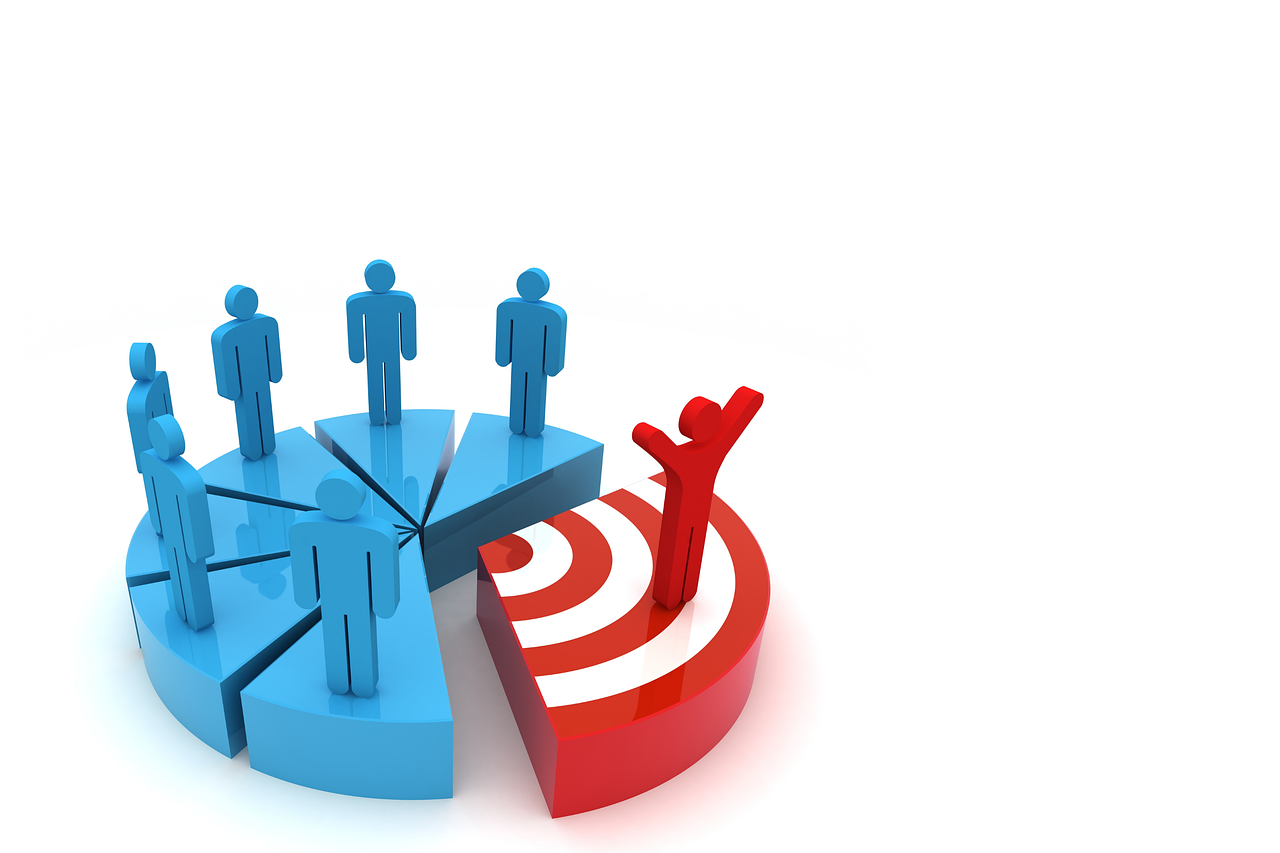

How To Use Audience Insights to Optimize Your Brand Awareness Budget
Audience insights play a crucial role in effective brand awareness budgeting. Understanding your target market can significantly enhance your marketing efforts, ensuring resources are allocated efficiently. Gather data through various channels to uncover valuable demographics, interests, and behaviors of your audience. Use tools like Google Analytics and social media insights to analyze your current engagement metrics. Determining which platforms resonate most with your audience helps shape your budget decisions. Focus on channels where you see higher conversions and engagement. Analyzing past campaign performances can reveal which strategies yielded the best results, giving you a foundation to build upon. With your insights in hand, tailor your budget to strategies and platforms that have a proven track record. Remember to leave room for testing new approaches, as market dynamics may shift over time. Investing wisely in your brand awareness strategy is essential for long-term success. Regularly revisit your audience insights and adjust your budget accordingly to stay aligned with your audience’s changing preferences and behaviors. This approach not only maximizes your return on investment but also ensures your brand remains relevant as audience dynamics evolve.
Once you have a clear understanding of your audience, it’s vital to strategize effectively. Start by segmenting your audience based on various criteria such as age, geographic location, and purchasing behavior. This segmentation will allow for more personalized targeting, making your budget allocation much more strategic. Allocate a larger budget towards segments that are more likely to convert, leading to improved brand awareness and customer loyalty. Create targeted campaigns designed for each segment, highlighting different features or benefits that are relevant to them. To further optimize your budget, conduct A/B testing on different campaign elements such as visuals, copy, and call-to-action phrases. The responses gathered from A/B tests will provide valuable insights into what works best for specific segments. Leverage these results to refine your approach, optimizing your spending towards the most promising strategies while eliminating those that underperform. Consistent monitoring and adjustment based on real-time data can lead to continuous improvement. Utilizing audience insights will form a solid foundation under your budgeting strategy, ensuring the maximum impact is achieved from every dollar spent on brand awareness initiatives.
In addition to segmentation and A/B testing, understanding customer journeys is another essential aspect of budgeting for brand awareness. Recognize the different stages a customer goes through, from awareness to consideration, and ultimately to purchase. Develop content tailored to each touchpoint in the journey that resonates well based on insights gathered. For awareness, consider using engaging visual content on platforms where your audience frequently engages. Invest your budget into high-impact strategies during the early stages of the customer journey. This includes social media ads, influencer partnerships, or event sponsorships designed to familiarize potential customers with your brand. As customers move towards the consideration stage, budget for informative campaigns that provide value and build trust. Allocate funds for retargeting efforts to re-engage users who previously interacted with your brand but did not convert. The key is to create a seamless experience that accompanies users throughout their journey, leveraging insights at each stage. By effectively mapping out the customer journey, you align your budget, ensuring strong brand presence and awareness that drives engagement and conversions.
Utilizing Analytics for Continuous Improvement
The next step in optimizing your brand awareness budget is leveraging analytics for ongoing assessment. Implement various analytics tools that track performance across all marketing channels. These tools will provide data that highlights what works and what needs improvement in your strategies. Set up key performance indicators (KPIs) that align with your brand goals, such as reach, impressions, or website visits. Regularly analyze these KPIs to gauge the effectiveness of your brand awareness efforts. Consistency in monitoring helps you identify trends over time, allowing for strategic adjustments. IF you notice certain campaigns underperforming, don’t hesitate to pivot away from strategies that show minimal returns. Instead, reallocate funds towards initiatives that yield better results. Moreover, implement feedback loops with your audience to gather qualitative insights beyond typical metrics. Use surveys or social media engagement to tap into customer perceptions and preferences. This qualitative data can uncover insights that analytics may not reveal. Being agile and responsive in using analytics will significantly help sharpen your focus and funnel budget towards avenues proving fruitful, thus maximizing brand impact.
Engaging with your audience also plays a critical role in optimizing brand awareness. Encourage interaction through various channels, emphasizing community building around your brand. For example, utilize social media platforms to connect with followers and create conversations around relevant topics. This engagement fosters loyalty and elevates brand visibility. Hosting webinars or live Q&A sessions can create a personal touch, helping prospective customers feel valued and understood. Allocate part of your budget for these interactive initiatives, as they can lead to increased brand engagement and word-of-mouth promotion. Consider collaborating with brand ambassadors who can organically promote your brand to their established communities. Such collaborations enhance trust and showcase your brand within genuine contexts. Additionally, invest in user-generated content campaigns, encouraging your customers to share their experiences with your products. This type of genuine endorsement can amplify your reach exponentially, showing potential customers the real-life value your brand provides. Encourage this interaction tactically, ensuring you’re creating a two-way communication channel with your audience that values their voices while further optimizing your brand awareness initiatives.
Furthermore, employing seasonal trends can enhance the impact of your brand awareness budgeting. Tailoring your campaigns to align with holidays or significant events relevant to your target audience can capture attention. Investigate past trends to find patterns in consumer behavior during these times, and prepare your campaigns in advance. Allocating additional funds during peak opportunities can lead to heightened exposure and engagement. For instance, consider launching promotional campaigns during back-to-school seasons or festive celebrations, as these periods typically drive high consumer spending. The key is to capitalize on these trends while ensuring your messaging remains authentic and aligned with your brand values. Monitor real-time consumer reactions and engagement, enabling you to pivot your plans dynamically if necessary. Seasonal campaigns also offer a chance to test new ideas that you may not use during regular periods. Leveraging seasonal trends effectively can extend your brand’s reach and overall impact, optimizing your awareness budget even further. Always remember to summarize learnings from each campaign, providing insights for future seasonal strategies and consistency in building brand recognition.
The Future of Brand Awareness Budgeting
In conclusion, utilizing audience insights is paramount for optimizing your brand awareness budget. As markets evolve, staying attuned to your audience’s needs and preferences will drive successful campaigns. Embrace technology and data-driven approaches to gain a deep understanding of your market segments. Standardize practices like segmentation, analytics tracking, and customer journey mapping to ensure ongoing improvements. Always be flexible and willing to adjust budgets according to performance metrics and real-time insights. Engaging your community and leveraging seasonal trends further amplifies your brand presence. Remember that budget optimization isn’t a one-time effort; view it as an ongoing process that continuously evolves than compensates for shifts in audience behavior. By remaining responsive to the insights gathered, you not only enhance individual campaign effectiveness but also solidify your brand’s position in the marketplace. This proactive approach lays a strong foundation for long-term brand awareness and loyalty in a competitive landscape. As you implement these strategies, monitor their performance and adjust budgets accordingly to propel your brand into new growth and recognition horizons.
Consistent application of these strategies will result in a well-rounded budget focused on maximizing brand awareness effectively. Plan, analyze, engage, and adjust as necessary, assuring that your efforts align with customer needs and behaviors. Your audience is the compass guiding your budget decisions, ensuring that every dollar spent works towards building stronger brand connections.