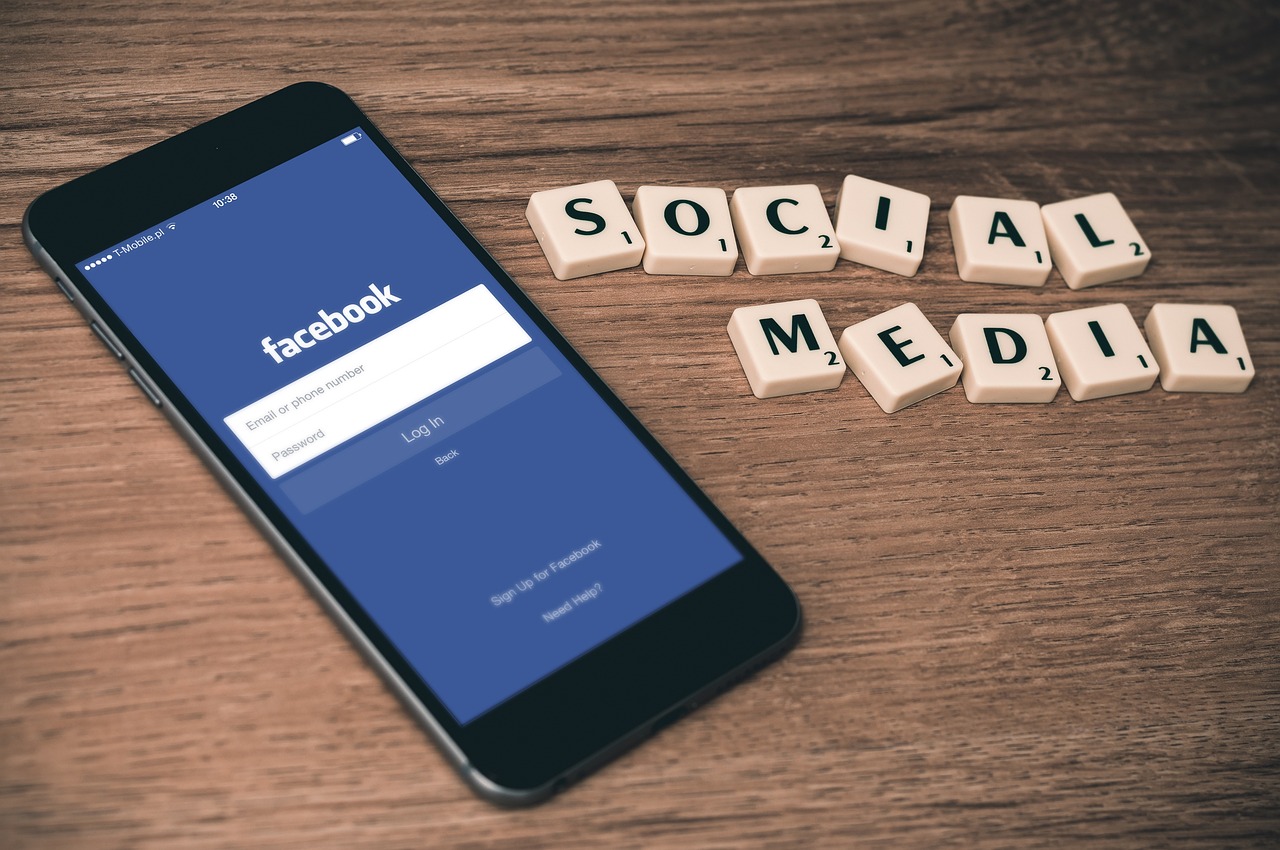

Using Facebook Insights to Understand Customer Needs
In today’s digital landscape, businesses leverage various tools to enhance customer service, especially through social media platforms like Facebook. Facebook Insights offers invaluable data that enables companies to understand their customers better. Analyzing metrics such as engagement rate, demographics, and content interactions can unveil customer preferences and pain points. Through this analysis, companies can tailor their support strategies effectively. Regularly reviewing these insights allows businesses to adapt and evolve their customer service approach. This agility cultivates stronger relationships with customers and promotes brand loyalty. Engaging customers via Facebook requires a responsive strategy that includes prompt replies to inquiries and proactive interactions. Utilizing Facebook Messenger for real-time communication also enhances customer experience. Companies should consider using Messenger bots to address common questions and provide immediate assistance. Furthermore, businesses can create targeted content based on their audience’s behavior and interests. By implementing this data-driven approach, companies can significantly improve customer satisfaction. Maintaining a consistent feedback loop with customers is essential, ensuring that their needs are met and that they feel valued. In turn, this fosters a community of engaged users who contribute to overall business success.
Understanding Facebook Insights goes beyond merely collecting data; it’s about interpreting this information effectively. Businesses must focus on key performance indicators (KPIs) that truly reflect customer needs and experiences. For instance, monitoring response time, customer satisfaction ratings, and repeat engagement can provide deeper insights into service quality. By analyzing engagement metrics, such as likes, shares, and comments, businesses can identify which content resonates most with their audience. This understanding is essential for creating engaging posts and responding to customer interactions appropriately. Another important metric is audience demographics. Analyzing age, location, and interests allows businesses to tailor their support approach to better suit their target market. For example, younger demographics may prefer quick responses via Messenger, while older customers might appreciate more detailed answers. Additionally, businesses should acknowledge negative feedback. Understanding customer complaints through Facebook can reveal areas for improvement. Addressing these concerns transparently can convert dissatisfied customers into loyal advocates. This three-step analysis—monitoring engagement, understanding audience demographics, and addressing feedback—is crucial. Implementing these strategies contributes to a more effective and engaging customer service experience that ultimately leads to enhanced customer satisfaction.
Leveraging User-Generated Content for Insights
User-generated content is a valuable source of insights that businesses can harness for better customer service. When customers share their experiences, they provide authentic perspectives on their needs and preferences. Monitoring posts, comments, and reviews allows companies to gain insights into customer sentiment. Encouraging customers to share their experiences via posts and hashtags also broadens the understanding of brand perception. These interactions can reveal common themes or trends that give further insight into product performance and customer satisfaction. Businesses should consider engaging with this content, which not only fosters a sense of community but also demonstrates that their opinions are valued. To maximize outreach, companies can create campaigns that encourage clients to share stories or testimonials. Offering incentives for sharing content can further motivate customers. Integrating user-generated content into marketing strategies can enhance brand authenticity while providing actionable insights. This approach encourages existing customers to remain engaged while attracting new ones. By analyzing what users are sharing, businesses can identify opportunities to enhance their services. Ultimately, utilizing user-generated content effectively aligns customer support with actual consumer experiences, leading to a more robust and dynamic support framework.
Facebook Insights helps businesses identify peak engagement times, crucial for optimizing responses and interactions. Understanding when customers are online allows brands to align their support efforts accordingly. Implementing a schedule that targets these peak times guarantees that customer inquiries are addressed promptly. Furthermore, utilizing the Facebook scheduling feature can streamline posting and response strategies. Engaging customers when they are most active strengthens the brand presence and increases the likelihood of positive interactions. Furthermore, analyzing interactions during different times can reveal trends in customer behavior. For instance, engagement patterns may differ significantly between weekdays and weekends. Therefore, adjusting support availability based on these insights ensures a balanced approach to customer outreach. Additionally, companies should routinely test their assumptions about these periods to fine-tune their strategies. By embracing flexibility in response times, businesses can improve client satisfaction significantly. Regularly revisiting these analyses promotes a culture of adaptability in customer service. Ultimately, leveraging insights for optimized engagement strategies enhances productivity and fosters lasting customer relationships. Companies that embrace these tools will undoubtedly experience a more fulfilling and responsive service environment.
Creating Resourceful FAQ Sections
Utilizing Facebook Insights can also lead to the development of a comprehensive FAQ section, addressing common customer inquiries. Insights reveal the most frequently asked questions during customer interactions, allowing businesses to curate resources appropriately. By identifying patterns in customer queries, companies can provide answers proactively, reducing repetitive inquiries and enhancing user experience. Compiling this information into an easily navigable FAQ page aids customers in finding quick solutions to their problems. A well-structured FAQ section can significantly reduce response time and improve customer satisfaction metrics. Furthermore, businesses should regularly update this section based on emerging trends in inquiries. Engaging customers during this process can involve soliciting feedback to ensure that the FAQ reflects actual needs. Additionally, companies can utilize Facebook stories or posts to announce updates to the FAQ, keeping the community informed. This continuous learning approach not only serves the customer base but also presents the company as knowledgeable and customer-centric. By responding dynamically to inquiry trends, businesses create a supportive framework that enhances customer engagement and loyalty, setting the stage for future interactions.
Another crucial aspect of using Facebook for customer engagement involves prioritizing social listening. Social listening refers to the process of monitoring and analyzing online conversations surrounding a brand. By tracking brand mentions, companies can directly address customer comments or concerns promptly. Analyzing sentiment can uncover underlying issues not visible through traditional metrics alone. Understanding the general sentiment of discussions about one’s brand can guide overall strategies. Regularly conducting sentiment analysis based on data from Facebook allows businesses to refine their engagement approach. Engaging with customers in this manner portrays a brand as approachable and receptive. An active presence in conversations empowers brands to build stronger relationships with clients. Additionally, organizations can share valuable insights derived from social conversations in their FAQs to support customers. By fostering transparency through social listening, companies indicate their commitment to customer service. Leveraging various tools to aggregate data facilitates comprehensive insights into brand perception. This, in turn, allows brands to create proactive communication strategies that resonate well with their audience. Ultimately, businesses that excel in social listening build a robust and engaged customer community that enhances customer loyalty.
Measuring Success with Feedback Loops
Integrating a feedback loop into customer service strategies is essential for continuous improvement. Feedback loops enable organizations to gather customer reviews and suggestions systematically. Using Facebook polls and surveys allows businesses to gauge satisfaction levels. Identifying areas of improvement through structured feedback greatly enhances service quality. Moreover, establishing regular check-ins with customers—via calls or messages—ensures they feel heard. Open communication cultivates trust and encourages more detailed feedback. The information gathered should be regularly reviewed and analyzed to identify trends in customer satisfaction. This analysis serves as a basis for adjusting customer service strategies as necessary. Furthermore, businesses should openly acknowledge customers who provide feedback, reinforcing a sense of community and ownership. Positive reinforcement can enhance customer loyalty and promote repeat engagement. Cross-referencing insights from measurements and feedback can optimize engagement strategies. Implementing iterative adjustments based on customer insights makes the support structure both dynamic and responsive. By employing this approach, organizations can maintain a competitive edge in customer service. Continuous improvement ensures that businesses evolve alongside their client base, reflecting their changing needs and preferences effectively.
In conclusion, understanding customer needs via Facebook Insights is critical for enhancing service quality. By analyzing engagement metrics, user-generated content, and customer feedback, businesses can create tailored support strategies. This process emphasizes the importance of being proactive and responsive in customer interactions. Implementing a dynamic approach to customer service ensures that businesses not only address current needs but also anticipate future requests. Engaging customers through various channels enhances their experience and supports brand loyalty. Companies should embrace the full spectrum of tools available, from Facebook’s native features to community feedback, developing a robust service framework. Regularly reviewing insights ensures that they remain effective and relevant. By fostering an environment of continuous improvement, businesses can maintain strong relationships with their customer bases. Emphasizing the importance of understanding customer needs enables brands to be at the forefront of consumer expectations. This results in lasting connections and improved overall satisfaction rates. Moving forward, organizations must evolve and embrace innovative strategies that reflect the changing market dynamics. Ultimately, leveraging Facebook Insights is essential for navigating the challenges of customer service effectively.