
Using Social and Follower Data to Enhance Employee Advocacy
Employee advocacy is becoming a crucial aspect for brands in today’s digital environment. By effectively engaging employees to share their positive experiences, organizations can significantly elevate their brand visibility. Metrics and KPIs are essential for measuring the success of employment advocacy efforts. Two primary components include social media performance and follower analytics. These metrics help in identifying the effectiveness of advocacy initiatives, leading to optimized strategies. It’s vital to encourage employees to actively share experiences as it establishes trust and authenticity. When assessing the success of an employee advocacy program, focus on qualitative and quantitative metrics. Social media interactions, shares, and the increase in follower numbers are significant indicators of progress. Thus, organizations should employ various metrics to determine advocacy outcomes, helping them improve their strategies. Analyzing the data can uncover trends, sending helpful insights that ensure ongoing improvement. Overall, employee advocacy is a powerful tool for businesses, making social and follower data gathering essential for the execution of strategies that engage workers as brand ambassadors.
To improve employee advocacy metrics, organizations must consider several approaches. The use of social media analytics is vital to gaining insights into employee engagement rates. Tracking follower growth on brands’ social pages can reveal trends indicating how effectively employees engage with content. Additionally, employee-generated content can be analyzed for quality, variety, and reach. This analysis provides clarity on how advocacy efforts impact the organization. Another important metric is engagement rate, measuring the interactions employees have with the posts shared. Engagement rates highlight the interest generated by advocacy efforts, showing areas for enhancement. Furthermore, organizations should look at the sentiment analysis of comments and shares. Positive sentiments indicate successful advocacy motivations among employees. Conversely, negative sentiments may point to existing issues that need addressing. Evaluating advocacy success should involve an ongoing analysis of social interactions and discussions about the organization across various platforms. Building a supportive culture around advocacy encourages employees to engage effectively, enhancing overall brand perception. Employees feeling valued and heard often lead to more enriching experiences realized through loyal and motivated team members.
Leveraging Social Media Insights
Understanding how social media platforms operate is crucial for maximizing employee advocacy. Organizations can capitalize on various features such as shares, likes, and comments to foster engagement. Analyzing platforms like LinkedIn, Twitter, and Facebook can provide a fresh perspective on how followers perceive the brand through employees’ eyes. These insights can help organizations cultivate strong relationships with their audience and target various demographics effectively. By guiding employees on how to create engaging content, utilizing trends, and leveraging hashtags strategically, organizations can amplify their reach. Social listening tools can aid in tracking mentions and discussions around the brand, offering further context to gauge employee engagement. Moreover, synthesizing the social media data into actionable insights allows organizations to adapt their advocacy programs to better meet the needs of employees and followers alike. Additionally, elements such as timing play a critical role in social media advocacy. The timing of posts can significantly affect their reach and engagement, making analytics even more pertinent. Ultimately, every organization should prioritize regularly reviewing their social media performance for effective advocacy strategies.
Another important aspect of measuring employee advocacy is through the utilization of surveys designed to gather employee feedback. Surveys can provide insights that are crucial for understanding how employees perceive the advocacy initiatives. They also help in identifying the factors motivating employees to share content actively. Asking questions regarding their experiences, interests, and engagement levels can yield measurable data. It’s crucial to analyze how satisfied employees are with the resources provided for advocacy activities. Collecting feedback frequently allows organizations to adapt and refine their programs based on employee needs. Additionally, incorporating training sessions can improve employees’ confidence in sharing insights. Educating employees on crafting compelling narratives is essential in fostering advocacy, making them feel empowered as brand ambassadors. Gathering post-training feedback will also highlight any areas needing improvement in teaching methods or material effectiveness. This interactive approach not only informs management of the advocacy landscape but can also enhance employee morale overall. Establishing open lines of communication encourages feedback and potentially uncovers unexpected insights that guide advocacy programs to success.
Engaging Employees through Gamification
Incorporating gamification into employee advocacy programs can be an innovative strategy to boost engagement. Gamification elements, such as rewards, challenges, or leaderboards, can incentivize employees to participate actively in advocacy efforts. Creating a points system that rewards employees for sharing their experiences can instill a competitive spirit that drives involvement. Recognition of top advocates can also foster a culture of encouragement. Monthly or quarterly awards for outstanding contributions enhances motivation and engages employees in ongoing advocacy initiatives. Moreover, teams can work together in campaigns, with a fun, collaborative element that promotes camaraderie among employees. The gamification approach adds both fun and productivity to sharing company values and experiences. Furthermore, regular updates on performance metrics can help employees understand their contributions’ impact. These updates can also inform them about areas needing improvement. Collaborating with marketing teams can ensure that gamified initiatives align effectively with broader branding strategies. Successful integration of gamification increases participation rates, enhancing both advocacy and overall company culture through shared achievements that celebrate contributions.
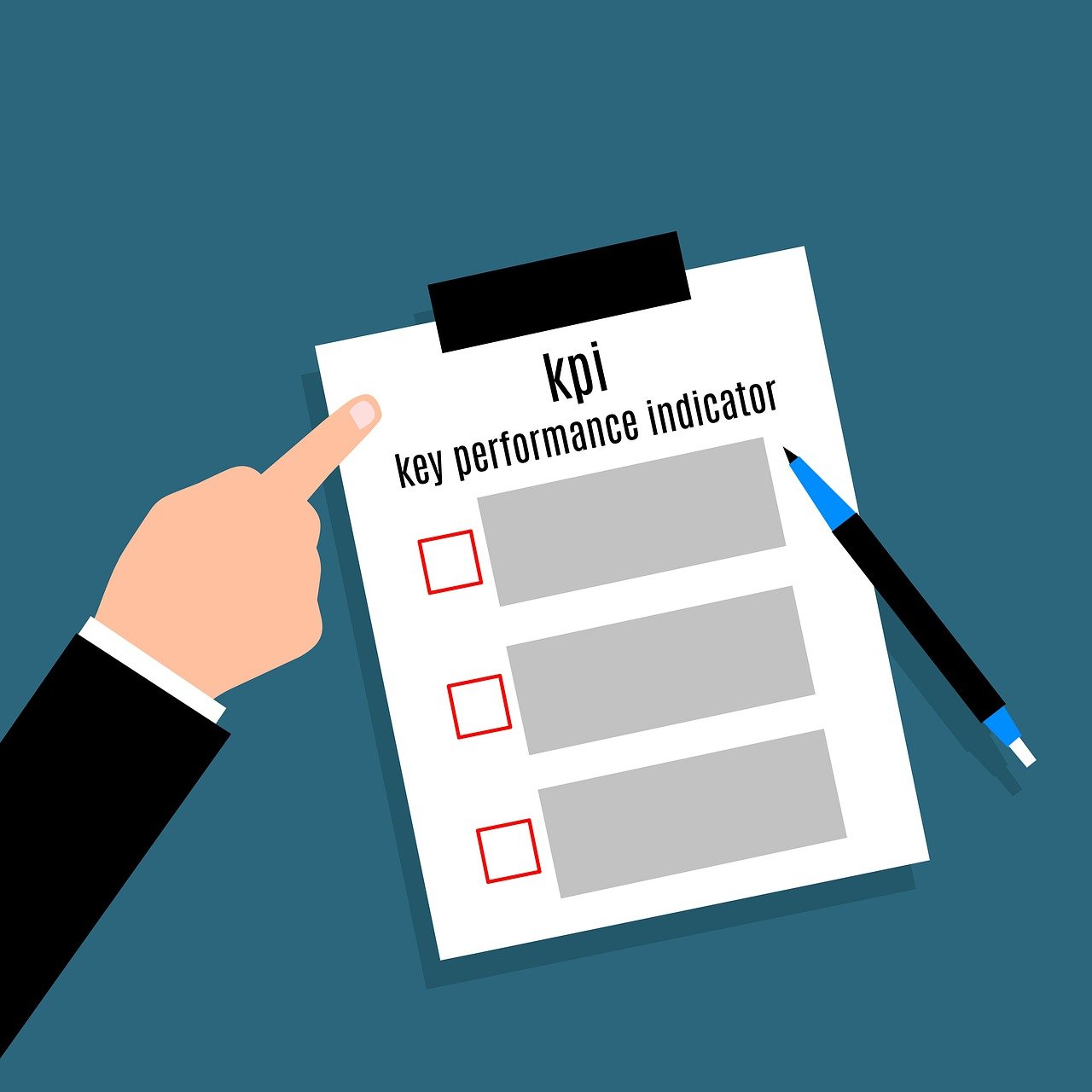
Effective monitoring of metrics over time is essential for gauging the overall impact of employee advocacy programs. Key performance indicators (KPIs) provide organizations with tangible targets to measure success. Some vital KPIs include social shares, traffic driven from employee content, and follower count. Identifying trends across these metrics over specific time periods can reveal the program’s effectiveness. Analyzing seasonal fluctuations can uncover valuable insights and help predict future performance. Benchmarking against industry standards can also offer context on the organization’s performance. While quantitative data is vital, it’s equally important to assess qualitative feedback that reflects employee emotions surrounding advocacy initiatives. Conducting regular check-ins can keep the program adaptable and focused. Supporting teams to celebrate milestones can further bolster morale and ensure consistent enthusiasm surrounding advocacy efforts. Employees thriving in supportive environments often deliver better advocacy results. Continuous tracking, coupled with positive reinforcement strategies, ensures that employee advocacy programs cultivate loyalty among team members. Simply put, measuring data and regularly reviewing performance is paramount in shaping effective employee advocacy initiatives.
Conclusion: The Future of Employee Advocacy
In conclusion, leveraging social and follower data is integral for refining employee advocacy programs. Organizations need to recognize the power that employees have in amplifying brand messages. Understanding metrics can lead to actionable insights that improve strategies and subsequently boost engagement. Using the right tools, businesses can analyze data effectively, fostering an ongoing culture of recognition and trust. Employees must feel valued, engaged, and encouraged to share their experiences. As technology and social media evolve, so must the strategies employed for advocacy. A consistent focus on analytics enables organizations to stay ahead with informed decisions that positively impact brand growth. Future trends in advocacy will likely become more personalized, catering to specific employee needs and preferences. By doing so, organizations can build meaningful connections both inside and outside their workforce. Through data-driven strategies, companies should remain committed to improving their employee advocacy efforts. Ultimately, the collaborative endeavor between employees and organizations will nurture a flourishing brand environment propelling both success and employee satisfaction in alignment.