
Managing Public Perception in Crisis Situations
In today’s digital age, managing public perception during government crises is incredibly vital. Social networks play an influential role in shaping immediate public opinions about crises. The flow of information can either support or undermine a government’s reputation through its social platforms. During crises, it’s essential for government bodies to establish clear communication channels to engage with their citizens. This can be achieved by using reliable data sources and responding promptly to misinformation. Utilizing strong messaging also aids in reinforcing public trust. The government’s approach should involve transparency to ensure people understand the rationale behind decisions made during any crisis. Consequently, this builds confidence and mitigates doubt. Also, government officials should communicate empathy and reassurance through social media to promote a sense of community. Engaging influencers who can convey the right messages is also beneficial. Citizens generally look up to trusted figures for guidance and assurance. Therefore, the establishment of a comprehensive digital communication plan will prove effective in navigating public perception during turbulent times. The aim should always be to present unity and a preparedness to tackle challenges head-on, fostering a resilient society in the face of adversity.
Understanding the Role of Social Networks
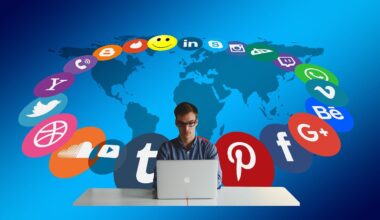
Social networks have become powerful tools in shaping narratives during government crises. These platforms provide a fast-paced environment allowing information to spread rapidly, making them essential in crisis management. Governments must understand how to navigate these networks effectively. First, having a dedicated team that monitors conversations on social media can help identify emerging issues and public sentiments. Responding quickly to both support and criticism is crucial. Creating content that directly addresses current concerns allows government officials to steer conversations positively. Moreover, governments should encourage discussions to promote transparency; this shows that they value public opinion and feedback. Posting regular updates about ongoing efforts and solutions generates a sense of involvement among citizens. User-generated content can be utilized as well, further empowering the community and encouraging joint efforts during the crisis. Communication campaigns that resonate emotionally with the public lead to higher engagement and, ultimately, a stronger connection with government initiatives. One effective strategy is to use visuals and videos, making information more digestible. Being active on social media makes it easier for the public to find accurate information rather than relying on rumors, which can significantly affect perception.
Crafting a Strategic Communication Plan is essential for governments during a crisis. This plan must include clearly defined objectives, target audiences, key messages, and communication channels to be utilized effectively. Furthermore, it should accommodate specific platforms, as each social media outlet has unique audiences and cultures. For instance, using concise tweets on Twitter promotes quick dissemination of crucial information. In contrast, Facebook is better suited for sharing detailed posts and community engagement. Establishing a consistent voice across all communications helps unify the message. This consistency builds authority and trust among the public. Identifying spokespersons who are credible and relatable can enhance message reach. These representatives can help clarify complex issues in layman’s terms, ensuring that everyone understands. Additionally, the use of analytics tools can measure the effectiveness of the communication strategies employed, enabling adjustments as necessary. It’s essential to adapt messages according to real-time feedback from the public. Instead of defensive communication, governments should focus on presenting factual updates and direction that reassures and empowers people. This proactive approach in managing public perception can lead to a greater sense of solidarity during any crises.
Engaging with Citizens is paramount during government crises. Utilizing feedback mechanisms on social media allows the public to voice their concerns, and in turn, helps the government to respond appropriately. Encouraging comments or inquiries on posts fosters an environment of two-way dialogue. This engagement demonstrates that the government is not just issuing statements, but is actively listening and willing to adapt based on public feedback. Additionally, organizing virtual town hall meetings can create a participatory platform for citizens to discuss issues openly. These gatherings allow governments to address misconceptions explicitly while providing a space for citizens to express their views directly. Also, involving subject matter experts in these discussions can enhance dialogue quality by ensuring that information shared is accurate and insightful. It’s important for citizens to feel that their opinions matter and that the government is taking actionable steps based on the input received. This involvement can significantly reduce the anxiety and disorder prevalent during crises. Thus, fostering ongoing communication not only aids in improving public perception but strengthens democracy by encouraging civic participation.
Monitoring Public Sentiment plays a crucial role in effective government crisis management. Insights from social media analytics can reveal real-time public sentiment and the effectiveness of communication strategies. By leveraging these insights, governments can tailor their responses to align with public expectations and feelings. Tracking keywords and hashtags allows officials to gauge public sentiment accurately, enabling them to interpret areas of concern. Additionally, sentiment analysis tools can provide a clearer picture of how messages are being received and if any adjustments are required. It’s essential to stay ahead by being aware of shifts in public opinion so that governments can act promptly. This proactive monitoring leads to informed decision-making, ultimately enhancing credibility. Furthermore, engaging with data analysis is crucial in understanding how different demographics perceive the government’s actions. Different segments may respond uniquely to various communication styles, thus requiring tailored approaches. Addressing these nuances in public perceptions can align government actions with citizens’ needs and desires. This effort assures the public that their government remains connected and responsive, thereby reinforcing trust during a crisis.
Utilizing Social Media Influencers can significantly enhance the effectiveness of communication strategies during governmental crises. Engaging with influencers who can wield substantial followings and credibility among specific audience segments can amplify messages considerably. Government bodies should identify trusted figures within the community whose voices resonate well with the public. When influencers share positive messages about government actions and policies, it can shift public perception favorably. Collaboration with influencers should be approached carefully, ensuring that they align with the government’s core values and objectives, thereby maintaining authenticity. Co-created content can be particularly effective, as it leverages the influencer’s creative approach to engage with their audience. These endorsements help bridge gaps between the government and citizens, creating an easier avenue for understanding complex policies. By utilizing storytelling methods, influencers can effectively simplify messages. This process enhances digestibility and relatability, leading to widespread acceptance of necessary measures. Additionally, influencers can engage in real-time Q&A sessions to clarify doubts and address misconceptions, fostering transparency. Their involvement humanizes bureaucratic communications, producing a more accessible government image. Ultimately, influencers can solidify the government’s position as a valued resource during crises.
Evaluating the Success of Crisis Communication must be an ongoing process for governments during and after any crisis. Following the initial stages of crisis management, conducting thorough assessments of the communication strategies employed is vital. This evaluation should analyze public engagement metrics, sentiment shifts, and overall perception. Feedback collecting methods, such as surveys and social media polls, help gauge the community’s response. It’s also crucial to examine which messaging resonated most effectively and what could be improved. Identifying successful elements allows governments to replicate successful strategies in future crises. Additionally, analyzing setbacks can provide essential lessons for improvement. If misinformation spread, understanding its origins helps to redirect communication strategies to counteract it effectively. All evaluations should ensure a focus on the audience’s perspective. Incorporating lessons learned into revised crisis plans ensures future resilience, reinforcing trust. Government communication is not static; adapting to ongoing challenges ensures effective connections with citizens. Ultimately, evaluating these strategies not only strengthens future crises management but creates a more accountable government in the eyes of its citizens by proving responsiveness and adaptability.