
Using Facebook Live to Tell Your Nonprofit’s Story in Real-Time
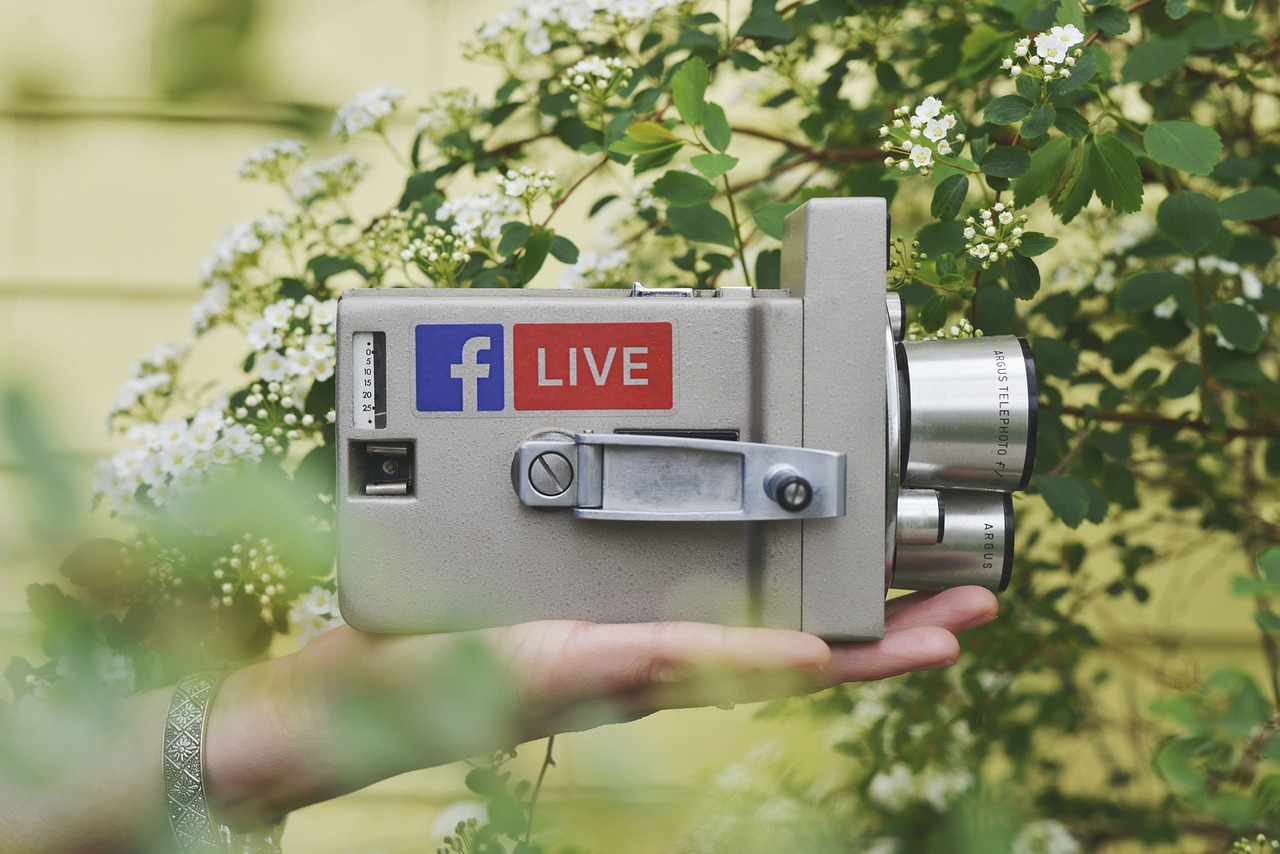
In today’s digital landscape, using social media effectively can transform how nonprofits share their missions. Facebook Live provides a powerful platform for real-time storytelling. Engaging your audience with live broadcasts enhances the emotional connection to your nonprofit’s cause, allowing supporters to participate actively. When nonprofits use Facebook Live, they create transparency and immediacy that resonate on a personal level. By sharing live updates during events or projects, organizations can showcase authenticity. Viewers become witnesses to the impact of their donations, enhancing trust. As nonprofits stream these moments, they can foster communities that advocate for change. The chat feature allows viewers to interact, ask questions, and share their thoughts instantaneously, creating a dialogue. Financial contributions can be encouraged with immediate calls to action, enhancing fundraising efforts. Whether it’s showing the immediate effects of a new program or highlighting the joy of beneficiaries, real-time storytelling on Facebook captures attention and compels action. Thus, organizations can create a compelling narrative stream, drawing in supporters willing to share and spread the message further. Facebook Live transforms the art of storytelling, making it accessible, engaging, and impactful for all involved.
Implementing successful Facebook Live sessions demands planning and strategy. Setting clear objectives helps to ensure that the session meets the organization’s outreach goals. Deciding whether to focus on engaging storytelling or behind-the-scenes access influences the overall format of the broadcast. Consider the audience’s preferences; what stories do they want to hear? Creating a strong narrative is crucial—what messages resonate? Thorough rehearsal can help in delivering a smooth session, reducing unforeseen problems. An initial introduction should explain the purpose of the live session, offering cohesion for viewers. Engaging hosts are essential, ensuring participants remain interested and excited to stay tuned. Use storytelling techniques: starting with a hook creates momentum. Incorporate aids such as visuals or impact statistics to substantiate your message. Promoting these live events prior to broadcasting maximizes audience attendance—utilize existing social media channels, compile email lists, and create countdown posts. Don’t forget about the power of follow-ups; engaging with comments post-broadcast and sharing highlights can extend the conversation. Proper planning enables nonprofits to harness the full potential of Facebook Live, making storytelling a dynamic and participatory activity for supporters.
The Role of Audience Engagement
Audience interaction plays a vital role in how effectively nonprofits can tell their stories on Facebook Live. Engaging viewers fosters a sense of belonging and connectivity. Comment sections enable viewers to express their thoughts and feelings, influencing the session’s direction. Encourage viewers to ask questions that spark dialogue; audiences appreciate when their opinions are valued. Polling viewers can generate insights on what content they are interested in; this feedback loop can shape future sessions. Acknowledge comments live to make viewers feel recognized and appreciated, fostering a more engaged community. Additional tools like reactions and sharing can amplify interactions, allowing audiences to participate passively as well. Consider hosting guest speakers or beneficiaries to enhance storytelling authenticity; sharing personal experiences adds depth. Utilize exciting visual storytelling devices incorporated into your broadcast, showcasing impactful images or videos that resonate. Sharing personal success stories or testimonials builds trust, humanizing the organization’s mission. Overall, leveraging audience engagement transforms the storytelling experience into a collective journey that creates a more profound impact and drives supporters to act.
After conducting successful Facebook Live sessions, nonprofits must analyze performance. Understanding metrics is essential for planning upcoming broadcasts and refining strategies. Evaluate viewer engagement rates, including total views, average watch time, comments, and shares. These metrics help determine what content resonates and what doesn’t. Should the organization see distinctive spikes in viewers during specific segments, they can repeat these successful elements in future broadcasts. Additionally, acquiring feedback from attendees can uncover personal insights beyond mere stats. Consider following up with a survey asking what part of the session contributed most to their engagement. This insight provides opportunities for growth and innovation. Should resources allow, nonprofits can invest in video editing to create highlight reels from live broadcasts. This reshaping extends the lifespan of the content, transforming it for wider distribution on various platforms. These highlights can affirm the real impacts the organization has made. Proper post-session evaluation demonstrates commitment to growth, ensuring that storytelling via Facebook Live continuously evolves, enhancing future experiences. Continuous improvement creates a dynamic narrative, ensuring nonprofits effectively reach their communities while inspiring generosity and support.
Expanding Your Reach with Facebook Live
To maximize the impact when telling stories, consider promoting Facebook Live sessions across various channels. Utilize your organization’s website to reference upcoming live events, including specific times and themes. Cross-promoting on other social media platforms such as Twitter, Instagram, or LinkedIn can also significantly increase awareness and drive attendance. Encourage supporters to share the event with their circles for exponential reach. Providing an official event page can serve as a hub for information and updates. This aggregation ensures that interested parties stay informed. Engaging local media by offering them access to vital storytelling content can amplify outreach. Creating countdown reminders on all platforms to keep the event top-of-mind helps maintain excitement, while behind-the-scenes sneak peeks entice viewers to join live. Utilize visually appealing graphics or videos as part of promotional material to capture attention rapidly. This multimedia approach ensures that the lead-up to the event garners interest and excitement. By strategically promoting live storytelling efforts, nonprofits can rally supporters and create a large, engaged audience to amplify their message and inspire even greater action.
Creating content that converts during Facebook Live sessions requires thoughtful approach and strategy. Traditional storytelling methods can be adapted for digital interaction, allowing for creativity. Use case studies or success stories to show potential supporters the organization’s positive influence in the community. Craft segments to include compelling visuals to back the narrative—this visual stimulation aids understanding and retention. Supporters who see the impact with their own eyes are likely to be more generous. Promote tangible outcomes and results, highlighting beneficiaries’ testimonials when possible, as these personal stories resonate deeply with audiences. Offer ways attendees can get involved during the live broadcast. Clearly establish how they can contribute, whether through donations or volunteer opportunities. Integrating direct calls to action throughout the session ensures viewers know how to support the cause. Creating urgency or deadlines can drive immediate action, enhancing fundraising efforts while inspiring community engagement. Ultimately, content that communicates influence and facilitates connection encourages viewers to move from passive observers to proactive supporters of your nonprofit’s mission and vision.
Conclusion: The Future of Nonprofit Storytelling
The future of nonprofit storytelling lies in leveraging platforms like Facebook Live to alter the narrative experience. As technology evolves, nonprofits must adapt their strategies to engage emerging audiences effectively. Real-time sharing fosters authentic connections, strengthening bonds with supporters. Regularly incorporating diverse formats into livestream broadcasts, including interviews and showcases, will enhance storytelling versatility and outreach. Nonprofits that harness the power of live interaction not only create impactful narratives but can also build deeper loyalty among their supporter base. Continuously assessing engagement and audience feedback will guide necessary adjustments ensuring that digital storytelling remains relevant. As the nonprofit sector continues to evolve, ongoing experimentation with various storytelling formats will be crucial. The art of storytelling is not static; it requires creativity and evolution over time. Embracing innovative methodologies engages contemporary audiences more effectively. Ending each live session with gratitude reinforces supporters’ importance, and demonstrating appreciation can boost future engagement. Therefore, nonprofits should remain committed to telling their stories dynamically and interactively through platforms like Facebook Live, ultimately catalyzing change within their communities for a brighter future.
By leveraging social media effectively, nonprofits can pursue fabulous opportunities for storytelling. Facebook Live embodies this potential, enabling real-time engagement and deeper emotional connections. This method of outreach can transform how organizations relate their stories and share their impact. The compelling nature of live video cultivates community involvement through shared experiences. Success on this platform relies on careful planning, audience interaction, and metrics tracking. These components are vital for maximizing impact. Nonprofits should continuously innovate in their storytelling strategies, ensuring that they connect with an ever-changing audience. By retaining focus on mission-driven outreach, they’ll foster loyalty and support. Each live session creates experiences that resonate deeply and brings communities together, reminding audiences of the vital causes at hand. Moving forward with authentic, innovative approaches to live interaction sets the stage for the next chapter in nonprofit engagement. As organizations adopt these methodologies, they move closer to achieving their mission, empowering meaningful connections. In conclusion, effective storytelling through Facebook Live represents a unique opportunity for nonprofits to inspire action, foster community, and usher in lasting change in their areas of focus. Embrace the innovation that live storytelling brings for meaningful impact.