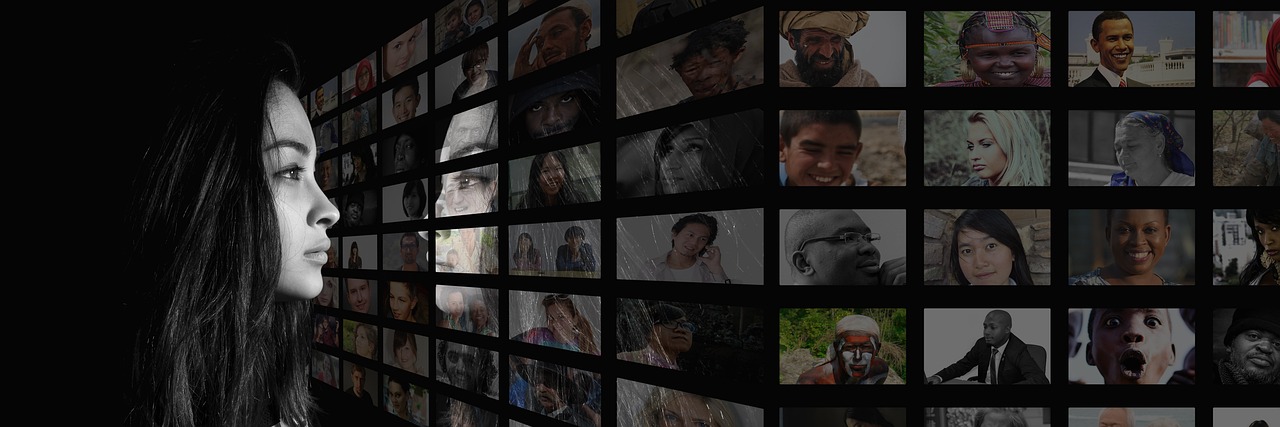

The Consequences of Algorithmic Bias for Social Media Diversity
Algorithmic bias significantly impacts diversity within social media platforms. These systems often prioritize certain types of content, resulting in an echo chamber effect where users only see views and opinions that align with their own beliefs and preferences. This lack of diversity can foster misinformation and polarization in online communities. When these algorithms are biased, it perpetuates stereotypes and can amplify harmful narratives. Ethnic minorities, marginalized groups, and different viewpoints are frequently underrepresented, which can lead to their exclusion from mainstream discussions. For social media to be effective and fair, it is crucial to implement changes that address these biases. User feedback should be incorporated, allowing ordinary users to influence how algorithms curate content. Additionally, the developers should actively work toward increasing representation in their datasets, ensuring that content from diverse backgrounds is prioritized as well. Effectively countering algorithmic bias involves not only understanding the technology but also recognizing the societal implications that arise from its application. Without these changes, social media risks becoming even more fragmented and divisive, undermining the potential for constructive conversation among different groups.
As social media users engage with these platforms regularly, they may unwittingly contribute to the perpetuation of algorithmic bias by their interactions. Liking, sharing, or commenting on specific content signals preferences to algorithms, which learn from this behavior and subsequently reinforce biased trends. Over time, this can create a self-reinforcing cycle that limits exposure to diverse perspectives. Users might not realize the implications of their engagement with certain types of content, which can lead to desensitization toward opposing viewpoints. Moreover, biased algorithms can lead to the prioritization of sensational and extremist content, as these materials often generate more engagement. Recognizing these patterns is essential for users seeking a more balanced online experience. It is crucial for individuals to critically assess the content they consume and share, fostering discussions that challenge algorithmic biases. Social media companies, on their part, must invest time and resources into developing more transparent algorithms that users can understand and trust. By collaborating with social scientists and ethicists, these companies can work to create fairer systems that promote inclusivity. Ultimately, active engagement from the user base is vital to create a healthier online ecosystem.
Recognizing the Role of Transparency in Algorithms
Transparency in algorithms is essential for addressing algorithmic bias, as users must gain insight into how their data influences the content they receive. This understanding can empower users to critically question the information they encounter, leading to healthier social media interactions. Ensuring clarity about what data algorithms analyze and how they generate recommendations can reduce misunderstandings and foster accountability. Moreover, algorithm transparency can help identify patterns of bias, allowing for adjustments and corrections. When users are aware of how their actions influence algorithm functions, they can take proactive measures to diversify their feeds intentionally. Companies should publish information regarding algorithm criteria and ranking factors, explaining their rationale for content visibility. Regular audits by independent third parties can enhance the integrity of this transparency by verifying the fairness and accuracy of algorithms used. Engaging users in the design process can also lead to improved systems that reflect diverse values and perspectives. Users should feel encouraged to provide feedback, fostering an environment of shared responsibility between social media platforms and their audiences. Ultimately, enhancing transparency can pave the way for more equitable digital spaces.
Another critical consequence of algorithmic bias is its effect on political participation and civic engagement. Biased algorithms can prevent users from encountering essential information regarding political issues and events. Consequently, marginalized voices may be silenced on crucial matters affecting their communities. When algorithms filter and curate content, they may unconsciously prioritize information that aligns with mainstream narratives while sidelining alternative viewpoints. As a result, users might be less informed about significant civic opportunities or social movements. It’s imperative for social media platforms to recognize their role in shaping public discourse and ensure that diverse political opinions are highlighted. By doing so, they can foster a richer dialogue around various topics, ultimately enhancing democracy. Civic technology initiatives can promote awareness of these biases and encourage active participation in democratic processes. Social media platforms can work alongside governments and non-governmental organizations to develop tools that facilitate equal representation of diverse perspectives. Encouraging initiatives like voter registration campaigns or public advocacy can combat the potential negative impacts of algorithmic bias, empowering users to make informed choices within their communities.
The Impact on Mental Health
Algorithmic bias can also have significant implications for the mental health of social media users. When individuals are constantly exposed to content that aligns with their biases while ignoring diverse perspectives, it can reinforce existing prejudices and create feelings of isolation. Users may feel alone in their beliefs, which can lead to anxiety and depression. Additionally, the algorithm’s tendency to promote content that is most engaged with may inadvertently amplify toxic or harmful narratives, further endangering the mental well-being of those affected. Addressing these biases is necessary to protect users’ mental health while cultivating a more inclusive environment. Social media platforms must invest in developing algorithms that prioritize mental wellness and aim to present a balanced array of viewpoints. By recognizing the potential harm of biased content curation, these platforms can implement systems that prioritize content promoting understanding and empathy. Additionally, social media companies can develop educational campaigns that encourage users to engage with diverse perspectives, mitigate the risks associated with algorithmic exposure, and promote self-awareness. By creating safer online spaces, users may feel more valued and recover their sense of belonging in the digital world.
Finally, the interplay between algorithmic bias and community-building in social media must not be overlooked. Algorithms can significantly shape the interactions and relationships users establish within these platforms. When users are exposed primarily to content from like-minded individuals, it stifles the potential for genuine dialogue and camaraderie across differing perspectives. This can result in echo chambers that exacerbate divisions within society. Building communities using algorithmically enhanced platforms requires a shift towards fostering inclusivity rather than exclusivity. Developers can implement features encouraging users to explore diverse conversations and connect with communities outside their immediate influence. Furthermore, social media platforms should prioritize creating spaces where users can learn from one another and engage in constructive discussions, nurturing an environment that promotes understanding. Workshops, webinars, or curated content can help facilitate cross-community dialogues among diverse users. Users may feel empowered to express their opinions and learn from others when they encounter varied perspectives. Building bridges between communities can enhance mutual respect and understanding, leading to a more cohesive digital landscape.
Conclusion
In conclusion, algorithmic bias creates significant consequences for social media diversity. These biases can influence everything from political discourse to users’ mental health and community engagement. It is essential for social media platforms to implement changes that address these biases for the health of online communities. Transparency, inclusivity, and active user engagement play pivotal roles in overcoming algorithmic challenges. By fostering communication between developers and users, these platforms can work toward creating fair and equitable online spaces. Education around algorithmic impact is equally important, as it empowers users to take charge of their online experiences critically. When users understand how their interactions shape the algorithm’s functioning, they can actively seek diverse content that broadens their scope. Ultimately, social media must bridge the gap between varying perspectives to create an environment conducive to open dialogue. Enhancing inclusivity can enable platforms to build rich, diverse communities while reducing bias prevalence. As society continues to navigate digital spaces, it is crucial that all stakeholders work together to ensure the representation of diverse voices and foster nuanced discussions for a healthier online ecosystem.
Social Media Algorithms and the consequences of algorithmic bias in various sectors such as education, communication, and political engagement showcase the significance of equity and representation in current digital practices.