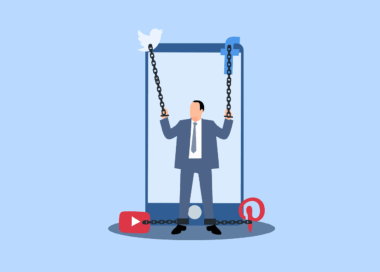

The Mental Health Impact of Constant Social Media Notifications
In recent years, social media has rapidly integrated itself into daily life, becoming a significant source of communication and news. However, constant notifications can lead to increased anxiety and stress levels among users. According to several studies, frequent interruptions from notifications can contribute to a sense of overwhelm. Users may feel pressured to respond immediately, leading to a cycle of anxiety. Mental health professionals have noted that this urgency can turn into a compulsive need to check devices, undermining an individual’s peace of mind. Addressing this issue requires a deeper understanding of how these notifications impact mental well-being. The compulsive nature of checking notifications can hinder focus, diminish productivity, and disrupt personal interactions. Users often find themselves checking phones even when they are not expecting any significant updates, which can cause them to miss out on real-life experiences. Moreover, the psychological impact of contrasting the curated lives of others can exacerbate feelings of inadequacy. To combat this, individuals may need to set boundaries regarding their social media usage, thus promoting a healthier relationship with technology.
Understanding the Psychological Effects
Recognizing the psychological consequences of excessive social media engagement is essential. The notifications often instill a fear of missing out (FOMO), where individuals feel that they must stay connected at all times. This feeling can lead to feelings of isolation and loneliness, countering the very purpose of social media, which is to connect. Research indicates that high consumption of social media correlates with increased feelings of anxiety, especially among younger users who often lack coping mechanisms for their emotions. Many individuals do not realize the extent to which constant digital interaction can drain emotional energy. The pressure to maintain an active online presence can also lead to burnout, affecting mental health negatively. Balancing online interactions with real-world relationships is vital for emotional stability. Strategies such as limiting notifications, scheduling breaks from screens, and engaging in mindful practices can mitigate adverse effects. Furthermore, awareness about the impact of digital notifications can empower users to create healthier online habits. This shift requires collective effort by individuals, educators, and mental health advocates to promote a healthier social media environment.
The role of social media in connecting communities cannot be overlooked, yet this connection often comes with drawbacks. One major consequence is the impact on emotional resilience. As people increasingly rely on social media for validation and emotional support, many may find themselves vulnerable to negative feedback. This dependency can result in heightened sensitivity to criticism and an overall decline in self-esteem. The instant nature of feedback on social platforms can create a hyper-focus on likes and shares, contributing to anxiety when posts do not receive the expected engagement. Social media platforms can sometimes present an unrealistic standard of living, leading users to develop distorted perceptions of their own lives. On the other hand, the idealized portrayals of happiness can trigger feelings of inadequacy and dissatisfaction in users. This impression may lead reputable mental health organizations to advocate for balanced social media usage. Mindfulness in engagement can encourage better emotional responses regarding activity on these platforms. Users must realize the importance of prioritizing mental well-being over social media validation, enabling healthier interactions and improved emotional health.
Moderation and Mindfulness
To cultivate a healthy relationship with social media, practicing moderation is crucial. Users should evaluate their notification settings and consider reducing the frequency of alerts from various apps. Enabling specific permission settings that limit notifications to only the most critical updates can significantly enhance user experience. Additionally, taking designated breaks from social media allows for the restoration of emotional balance. Engaging in offline activities can offer a significant contrast to the digital world, helping individuals appreciate their immediate surroundings. Mindful consumption of digital content can improve mental health, encouraging users to reflect on the quality and impact of their interactions. Juggling between online and offline life is essential for maintaining healthy boundaries; this balance can help prevent addictive behavior related to social media engagement. Techniques such as journaling feelings and experiences related to social media can help users track emotional responses. This practice promotes awareness of triggers, allowing individuals to become more conscious of their digital habits. Incorporating mindfulness practices into daily routines can equip users with tools to navigate their emotional landscape effectively.
The impact of social media notifications on sleep is another pressing concern. Research suggests that excessive social media use, especially before bedtime, can contribute to sleep disturbances. Users often find themselves scrolling through feeds, exposed to various stimuli that affect their ability to wind down. This engagement can lead to increased mental alertness that hinders relaxation and sleep onset. Experts recommend implementing a technology curfew to establish boundaries, encouraging individuals to disconnect from digital devices at least one hour before sleeping. Reducing blue light exposure, often emitted by screens, can significantly enhance sleep quality. Consequently, better sleep can result in improved mental health, promoting a more positive atmosphere during waking hours. A well-rested mind is better equipped to handle stress and anxiety that arise throughout the day. It is essential for users to recognize the connection between screen time, particularly linked to social media, and its effects on health-related behavior. Such awareness allows individuals to take proactive steps toward fostering healthier habits, ultimately leading to enhanced emotional well-being and improved quality of life.
Community Support and Resources
Creating a supportive online community can be instrumental in addressing mental health challenges related to social media. Various platforms offer mental health resources, providing users access to professionals and support networks. Several organizations advocate for responsible social media usage, promoting awareness about the psychological effects of constant notifications. Engaging with these resources and communities can help users combat feelings of isolation and anxiety. Individuals can share their experiences, discuss coping mechanisms, and receive encouragement from others facing similar challenges. Utilizing social media for connectivity in positive ways can transform the user’s experience. Additionally, local mental health organizations often provide workshops and online resources focusing on the impact of social media on mental health. Strengthening these initiatives allows communities to build resilience against the adverse effects of constant notifications. Joining self-help groups or participating in online webinars can offer valuable insights into managing mental health challenges. This connection fosters a sense of belonging, reducing feelings of loneliness. Advocates emphasize the importance of informed engagement in promoting a healthy relationship with social media and mental well-being.
Overall, awareness and education play critical roles in addressing the mental health implications of constant social media notifications. Future strategies can center around promoting healthy habits through campaigns aimed at educating users about moderation. Collaboration between individuals, mental health professionals, and social media companies is essential to achieve these health goals. Promoting practices that enhance emotional resilience can play a significant role in transforming how users interact online. Research continues to emerge regarding this area, highlighting the ongoing need for accessible educational resources. Establishing guidelines encouraging reduced notifications and promoting mindful engagement can lead to positive change in user behavior. Ultimately, the goal is to foster a healthier digital environment that prioritizes mental well-being over compulsive interaction. By making informed choices and advocating for wellness, communities can combat the adverse effects of social media on mental health. As 2024 approaches, the discourse surrounding social media’s implications for mental well-being can serve as a catalyst for constructive change. Embracing this holistic approach will ensure that users navigate the digital landscape with resilience and awareness.