
Empowering Disabled Users Through Accessible Social Media Features
In today’s digital landscape, social media platforms represent pivotal spaces for interaction and community building. However, these platforms often neglect accessibility features that cater to users with disabilities. Accessibility is not just a trend, but a fundamental necessity that ensures all users can engage meaningfully. By incorporating features like alt text for images, captions for videos, and keyboard navigation, platforms can assist users in enjoying social media content without barriers. Providing proper accessibility tools should be a top priority in design considerations. Many users with visual impairments rely on screen readers, and without accessible formats, they miss out on essential content and community interactions. Additionally, those with hearing impairments require transcripts or captions for audio-visual content. By offering tailored solutions for these groups, social media platforms aid in creating an inclusive online environment. Through awareness and active participation in accessibility discussions, stakeholders can drive innovations that enhance user experience for everyone. A commitment to inclusive design ultimately leads to a richer and more diverse online community, where everyone’s voice can be heard and appreciated in a safe space.
Encouraging innovation in accessible design is crucial for enhancing the user experience on social media platforms. Users with disabilities face unique challenges, and developers must prioritize inclusivity in their designs. For example, it is essential to accommodate cognitive disabilities by simplifying navigation and ensuring that content is easy to understand. This can significantly enhance engagement and reduce feelings of exclusion. Moreover, platforms should consider user feedback when making accessibility enhancements, as firsthand experiences provide valuable insights. Dedicating resources towards improving accessibility can result in innovative solutions tailored for different user needs. Collaboration with disability advocacy groups can lead to more effective recommendations and ideas for accessible features. Additionally, understanding legal obligations regarding accessibility compliance is vital for positive engagement and community relations. As the legal landscape evolves, social media companies must stay updated and compliant with regulations. Emphasizing empathy and collaboration among developers, designers, and users ensures that accessible features are integrated effectively. By advocating for innovations in accessibility design, the online community can foster a more equitable digital environment for every user.
Highlighting Success Stories
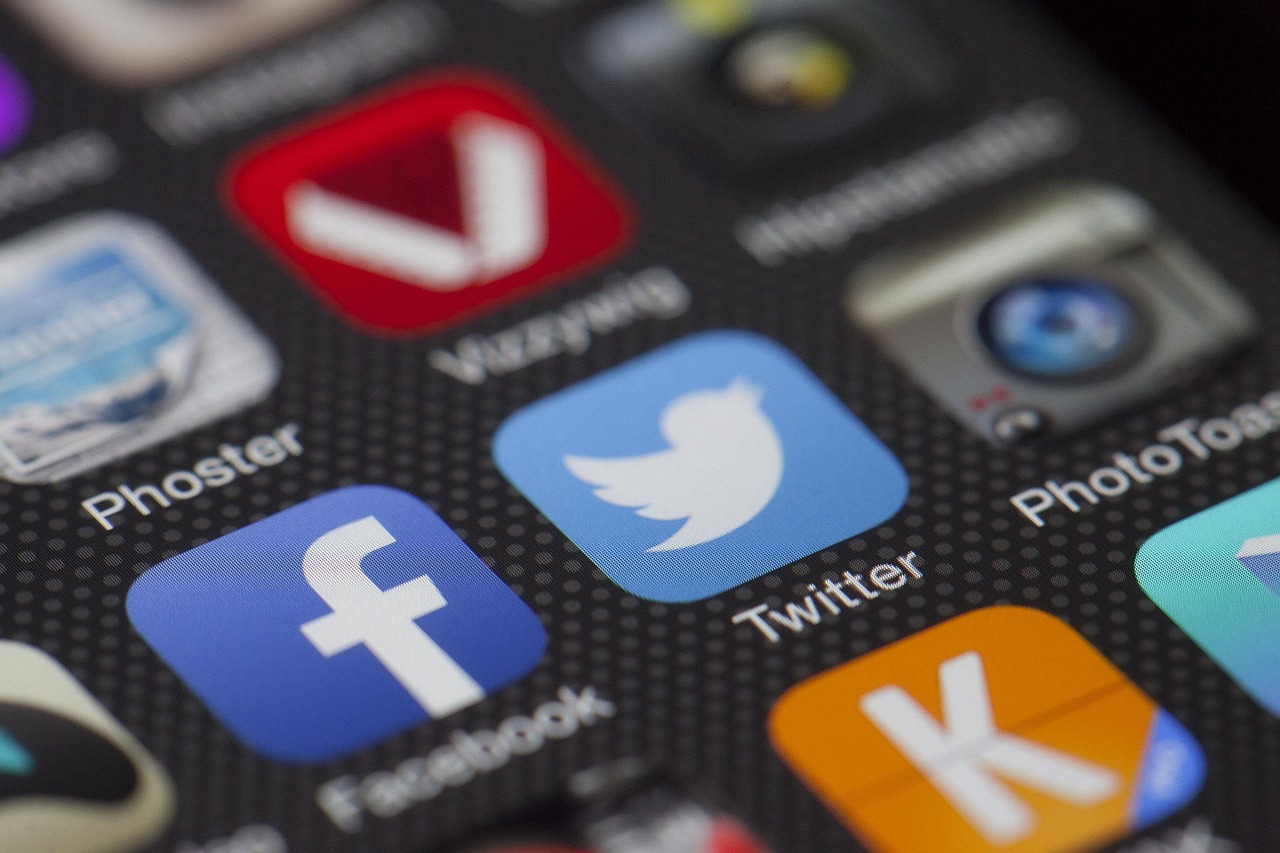
There are several inspiring examples of social media platforms excelling in accessibility practices that serve as models for others. Twitter, for instance, has unveiled features that support screen readers, ensuring that visually impaired users can equally engage with tweets and multimedia content. Additionally, platforms like Facebook have made strides by allowing users to add alt text to images. This functionality not only boosts accessibility but also enhances engagement by encouraging creativity and clearer communication among users. These advancements provide opportunities for disabled individuals to express themselves and share experiences authentically. On Instagram, users can write detailed descriptions, transforming the way visually impaired individuals experience visual posts. Moreover, TikTok offers closed captions as a default feature, making content more accessible for both hearing-impaired users and non-native speakers. These success stories illustrate the significant potential that accessible features hold for fostering belonging and community building. Overall, when platforms prioritize accessibility, they empower users to connect and express themselves in meaningful ways while promoting diversity and inclusion within online spaces.
Implementing accessibility best practices in social media involves constant evolution and awareness of user needs. Conducting regular audits of features and user experiences can help social media companies identify areas for improvement. Web accessibility initiatives, such as the Web Content Accessibility Guidelines (WCAG), provide essential guidelines that inform best practices. Platforms should encourage the integration of these standards in their development processes, ensuring their features are usable for everyone. Furthermore, training and educational programs for developers, designers, and content creators regarding accessibility can create a more informed workforce. It is crucial to provide resources that guide the creation of accessible content and user interfaces. Establishing strong mentorship programs can also help emerging designers appreciate the importance of inclusive design while sharing knowledge. Social media is a powerful tool for connection and information sharing, making it imperative that these platforms remain accessible to individuals with disabilities. By continuously enhancing their accessibility, social media networks affirm their commitment to all users while gaining diverse perspectives and voices that shape digital conversations.
Engaging the Community
Engaging the disabled community is critical for developing meaningful enhancements on social media platforms. Social media companies can utilize surveys, focus groups, and forums to capture insights directly from disabled users. Listening to their needs and preferences allows developers to create features that address specific challenges these users face daily. Collaboration empowers the disabled community, encouraging participation in discussions about product development, updates, and feature requests. Moreover, marketing and outreach efforts should showcase the accomplishments of disabled creators and highlight their contributions to the platform. By featuring these voices, social media companies promote an inclusive culture while reinforcing their commitment to accessibility initiatives. Furthermore, partnerships with accessibility advocates can lead to innovative strategies for community engagement. These collaborations can assist platforms in better understanding the diverse experiences within the disabled community. The objective is not only to meet accessibility standards but also to enrich the social media landscape itself by amplifying underrepresented voices. Including individuals with various disabilities in content creation fosters an equitable and vibrant digital community that benefits everyone.
A key aspect of creating a universally accessible social media environment lies in continuous education and advocacy. Stakeholders across the platform spectrum should commit to ongoing training related to accessible content creation and user experience. Knowledge-sharing initiatives can cultivate understanding of disability rights, accessibility norms, and effective communication strategies. Encouraging this kind of education within teams boosts empathy and thoughtful solutions for users facing obstacles in their online journeys. Social media networks must also lead advocacy efforts through public campaigns that raise awareness about disabilities and the significance of inclusivity. Championing accessibility should not be limited to enhancing features; it should also be a fundamental tenet of corporate responsibility. As an industry, social media must take on the challenge of breaking stereotypes while investing in policies that foster accessibility. By using their platforms to share stories about disabilities and accessibility, they can contribute to larger cultural shifts that embrace diversity. Ultimately, an accessible social media environment enhances the online experiences of everyone, creating a more inclusive society where everyone is valued.
The Future of Social Media and Accessibility
Looking ahead, the future of social media hinges on innovation and a commitment to accessibility. With emerging technologies like artificial intelligence and machine learning, platforms can refine their tools for accessibility, making them seamless and efficient. For example, automated captioning and image recognition technologies can ensure that users encounter fewer barriers when accessing content. Such features can transform user experiences by helping disabled individuals navigate content more intuitively while maintaining high engagement levels. As social media platforms evolve, there is a growing recognition of the market potential and benefit associated with accessibility. By investing in these innovations, businesses can tap into a broader audience and establish a reputation for inclusivity. Companies that prioritize accessibility hold a competitive edge while positively contributing to the societal landscape. It is essential for platforms to showcase their commitment to such practices, ensuring that all users, regardless of ability, can participate in online conversations. The advancements in accessibility pave the way for a more integrated digital environment, where everyone can thrive and connect meaningfully across social media channels.
In conclusion, promoting accessibility in social media is an ongoing commitment that requires collaboration, innovation, and dedication. By prioritizing the needs of disabled users and integrating accessibility features, platforms can significantly improve users’ experiences. Through leading industry practices, social media can pave the way for thriving communities where everyone’s voices are amplified. Engaging and empowering the disabled community leads to more inclusive content and broader representation, enhancing overall user experiences. Organizations must embrace a culture of listening and respond to feedback with viable changes that impact accessibility positively. Social media companies must recognize the societal responsibility they bear in fostering an equitable digital space. By doing so, they create an environment where creativity, expression, and belonging flourish for all individuals. As we move toward an increasingly inclusive digital future, it is vital to ensure that disabled users are at the forefront of these efforts. Championing accessibility in social media signifies a company’s commitment to diversity, empathy, and social responsibility. Striving for universal design reshapes how users experience social media, ultimately generating a more vibrant, dynamic online world for everyone.