
Integrating Facebook Events with Your Website for Seamless User Experience
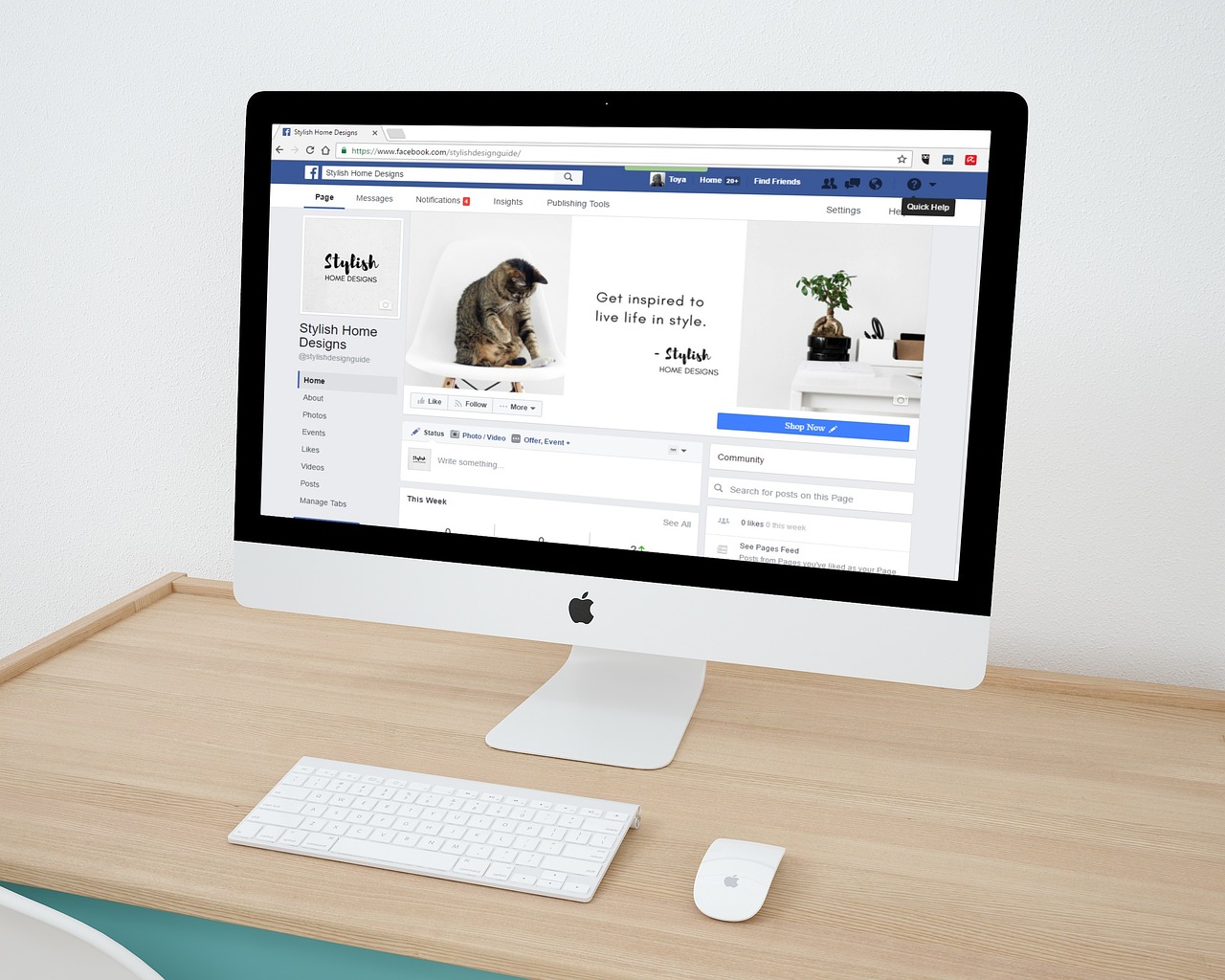
Facebook Events have become a powerful tool for businesses looking to promote their offerings effectively. By integrating these events with your website, you can create a seamless user experience for both attendees and potential visitors. This integration allows you to combine the social engagement of Facebook with the detailed information available on your website, ensuring visitors receive all necessary information in one place. Consider using tools like Facebook’s Event API to sync your events directly on your site. This not only saves time but also ensures up-to-date information is always available. Users benefit from a user-friendly interface that can encourage interactions, boosting attendance rates. A well-integrated event page makes it easy for users to RSVP, share links, and engage with your content. You can showcase photos, videos, and testimonials from past events. Leverage the power of user-generated content by encouraging attendees to engage before, during, and after the event. Ultimately, syncing Facebook Events with your website enhances the overall experience, attracts more attendees, and supports your marketing goals in the long run. Be sure to analyze metrics to continuously improve the strategy.
When planning to sync your Facebook Events with your website, one of the foremost strategies is to ensure that your site emphasizes event visibility. A dedicated events section on your homepage or navigation bar can significantly boost traction. Highlight upcoming events prominently, considering an eye-catching image or a vibrant call-to-action button that encourages visitors to engage further. Providing direct links to the Facebook Events page can streamline the user journey, making it easier for them to RSVP or express interest. Always keep the user experience in mind by ensuring the layout is mobile-friendly, allowing users to access event information on-the-go. This is crucial, given that many users engage primarily through their mobile devices. Another essential aspect is regularly updating event information on your website. As changes or announcements arise in the Facebook Event details, reflect those promptly on your site to maintain consistency. This not only builds trust with your audience but also enhances overall engagement. Continuous engagement, supplemented with reminders about the event and frequent updates using your social media channels, can create excitement and generate buzz around your event.
Utilizing Facebook’s Tools for Better Engagement
Facebook provides several tools designed specifically to enhance event marketing, which can be effectively utilized alongside your website. One of these tools is the Event Response feature, enabling users to indicate their interest or attendance, significantly boosting the event’s visibility. Encourage your attendees to share the event on their timelines, as this organic promotion can lead to higher participation rates. Using Facebook Live during the event can also promote real-time engagement, attracting those who are unable to attend and potentially leading to a higher turnout at your next event. Beyond immediate engagement, you can implement retargeting ads for individuals who expressed interest but didn’t commit. This ensures that they see your ads on their Facebook feed, providing additional opportunities to secure their attendance. Furthermore, analyze engagement metrics from these ads to refine your strategy over time. Incorporate Facebook pixels on your website to track visitor behavior and gather valuable data to inform future events. Tailoring approaches based on prior attendance and interactions will help set the stage for even more successful events in the future.
Content strategy is another vital component when connecting Facebook Events with your website. Engaging content can maintain interest among your audience before and after the events. Consider creating a blog series highlighting the event themes, featured speakers, and discussions happening at the event. This not only establishes anticipation but provides the audience with a deeper understanding of the value they will gain by attending. After the event, showcase photos, videos, and participant testimonials on your website, allowing potential attendees to see for themselves the experience they may have missed. Utilize stories or Instagram feeds integrated into your website to keep the content fresh and dynamic. Also, encourage attendees to share their experiences on social media, allowing you to curate user-generated content. This approach creates a community around your events that can significantly enhance attendance at future events by fostering a sense of belonging among attendees. Remember to maintain a steady communication flow with event updates through newsletters and social media promotions to keep your audience informed and engaged as the event date approaches.
Measuring Success and Adjusting Strategies
The key to sustained success in Facebook Events marketing lies in measuring their performance carefully. Metrics such as the number of RSVPs gained through website integration, engagement rates on posts about the event, and overall attendance are critical for assessing success. Establish clear KPIs before the event, allowing you to measure your goals against actual outcomes. Utilize tools available from both Facebook and your website analytics to gauge visitor behavior and preferences. Identify which marketing strategies drove the most engagement, allowing you to replicate successes in future campaigns. Consider segmenting your audience to understand which demographics are most engaged and tailor future content to appeal to these segments. Regularly review and adjust your strategies based on feedback from past events. Post-event surveys can yield valuable insights into attendee experiences, preferences, and areas needing improvement. As you refine your approach, aim to strike a balance between organic engagement and paid advertising. The right mix leads to a more sustainable and effective event marketing strategy, leveraging both platforms to their fullest potential.
After analyzing key metrics, it is equally essential to maintain a flexible approach, adapting ideas based on what you learn from the data collected. Engage actively with your community, asking for feedback and suggestions on future events. This approach not only creates customer loyalty but empowers your audience, making them feel invested in your offerings. Share updates about planned events on your website where users can join interest lists or subscribe to newsletters. Provide opportunities for them to share their ideas regarding topics or areas they are passionate about, enhancing community interaction. Creating a feedback loop where attendees feel heard can build strong relationships between you and your audience. Additionally, plan to host recurring events based on the themes that received the most interest. This ongoing engagement becomes a cycle of anticipation and celebration for your audience. Your website can feature upcoming events, keeping excitement alive and pushing users to return for the latest developments. The ultimate goal is forging connections while aligning with your audience’s interests, ensuring each future event becomes more successful than the last.
Building Partnerships for Broader Reach
Lastly, consider forming partnerships that can amplify your event’s visibility and reach. Collaborating with local influencers, businesses, or organizations can significantly enhance your promotional efforts. By tapping into existing audiences, you can broaden your own reach and engagement. Co-hosting events can also provide fresh perspectives and diverse content, enriching attendee experiences. For example, cross-promoting with another organization active in your niche allows both parties to benefit from increased attendance and awareness. Your website should reflect these partnerships, including links and mentions of collaborators to provide an inclusive experience for users. Ensure all promotional materials highlight these collaborations, emphasizing the collective value being offered to potential attendees. Leverage social media channels to announce partnerships and their contributions to the event. Utilizing dynamic content, such as videos featuring collaborators discussing the event, can generate excitement. Strategizing with partners can lead to innovative event formats that appeal to broader audiences, creating a stronger community around your events. Networking within local and online communities opens doors for opportunities and enhances your brand’s visibility within your industry.
In conclusion, integrating Facebook Events into your website can significantly enhance user experience and event outreach. By leveraging the unique tools offered by Facebook, maintaining engaging content, and continuously measuring and adjusting strategies, you can create a powerful marketing approach. Collaboration with allies can further expand your event’s reach, ensuring engagement and participation thrive. Keep your audience at the forefront, making sure they feel their input is valued, and community connection is made central to your mission. Such efforts not only build anticipation for each event you hold but also foster loyalty among attendees and fans of your brand. The effective combination of your website with Facebook’s social engagement capabilities sets a solid foundation for successful event marketing. Both the technology used and the relationships cultivated around these events can create lasting impacts and a vibrant community. The tactics discussed throughout this article provide a comprehensive guide to ensuring your Facebook Events lead to success. Embrace the potential of this avenue, and remember that continuous evolution is essential in today’s dynamic digital marketing landscape.