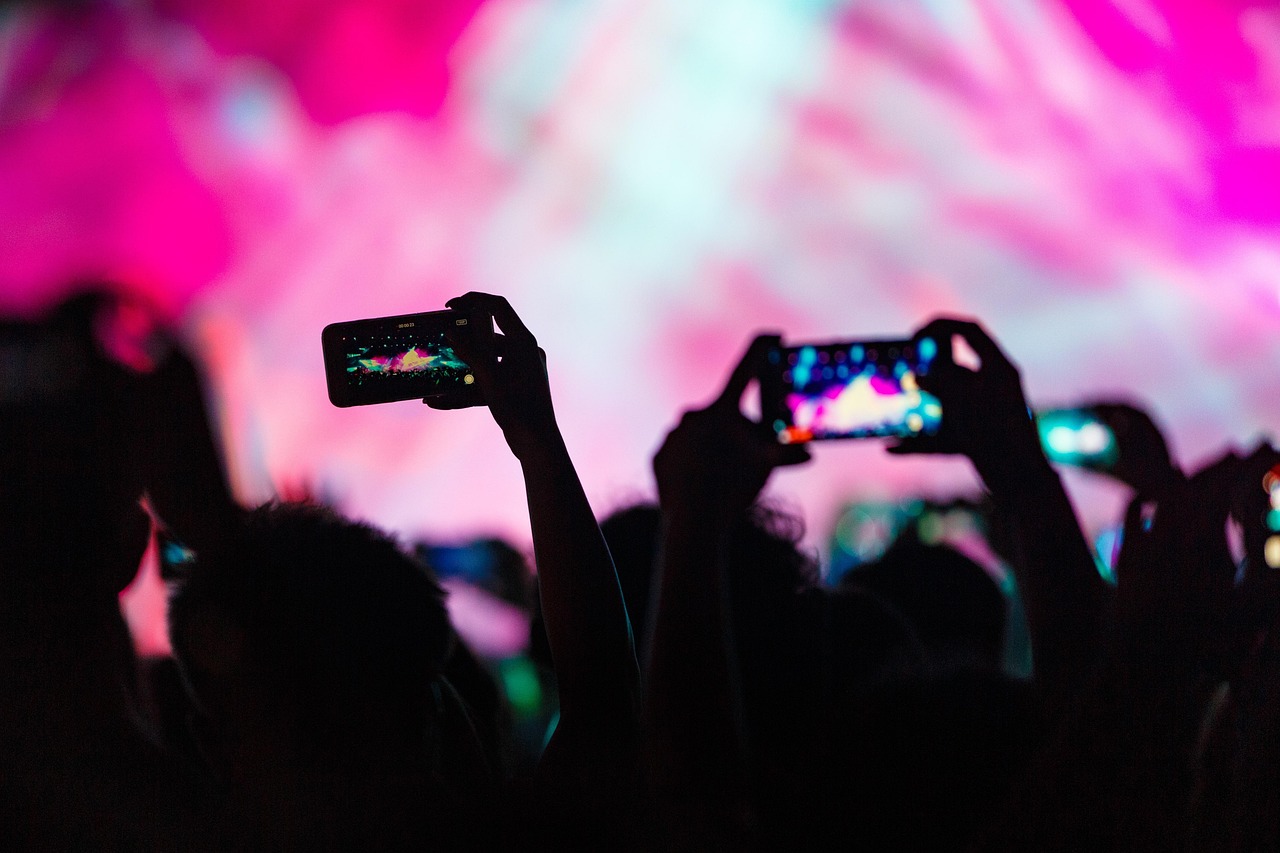

Tips for Live-Tweeting During an Event
Live-tweeting during an event is an incredible way to engage an audience, enhance their experience, and provide real-time updates. First, select the appropriate hashtag for the event to establish a unified conversation platform. Encourage participants to use this dedicated hashtag, which amplifies visibility and curates shared content. It also helps you track conversations easily while live-tweeting. Next, familiarize yourself with the event agenda, speakers, and key topics to provide informed and relevant updates. Preparation is essential to ensure that tweets are timely and accurately reflect discussions occurring throughout the event. Consider using Twitter lists to follow relevant attendees and influencers, so their insights don’t get lost amidst the noise. Craft tweets that are concise, engaging, and informative, ensuring that they remain within the character limit. Include photos, insights, and even quotes from speakers to enrich the tweets further. Engaging with the audience through replies and retweets also adds layers to the discussion, enhancing overall event participation. Lastly, analyze metrics post-event; it helps in understanding engagement levels and informing future live-tweeting strategies for your next endeavor.
Twitter is a vital platform for live coverage during events. To make an impact, utilizing visuals such as images or videos in your tweets can significantly enhance engagement. Visuals catch the eye and encourage users to interact with your tweets more than text-only posts. Utilize tools like Canva to create dynamic graphics, which can highlight quotes or essential information, providing a fresh take on live-tweeting. Moreover, consider drafting tweets ahead of time for crucial moments during the event—this ensures messages are not only timely but also well-articulated. Use short, impactful sentences to communicate ideas quickly and effectively. Remember to monitor Twitter’s trending features; engaging with trending topics related to your event can expand visibility beyond your immediate followers. Encourage a two-way conversation by posing questions to your audience. This interaction not only increases engagement but also fosters community among event participants. Finally, after the event, consider creating a summary tweet or thread that encapsulates significant moments. This can serve as both a recap for attendees and a promotional tool for those who were not present.
To maximize your live-tweeting effectiveness, begin by establishing a consistent voice that reflects the event’s tone. Whether it’s formal, casual, or humorous, ensure your tweets adhere to this style. This consistency helps followers connect with your content more deeply. Be proactive by identifying key moments to tweet about ahead of time; this can include notable guest speakers, exciting announcements, or interactive sessions. Prioritize live-tweeting these significant events, ensuring your audience receives real-time, captivating updates. As other attendees begin to interact with your tweets, respond promptly to foster engagement. Engaging with comments not only builds a community but also encourages further participation from others. Incorporate retweets and quotes from influential attendees or experts to lend authority to your posts. This amplifies your reach as their followers will engage with your tweets too. Ensure you’re adhering strictly to the event’s guidelines regarding live coverage; this demonstrates professionalism and respect toward the event organizers. Additionally, consider tagging speakers and using location tags to broaden the reach. This attention to detail can result in a more effective live-tweeting experience.
A crucial aspect of successful live-tweeting is timing. Tweets should be sent out promptly as events unfold; major announcements or speaker insights should be immediately shared to capture the moment. Utilize scheduling tools like Hootsuite or Buffer to streamline the process. These tools can help you queue up tweets and manage them effectively, so you’re not scrambling during busy moments. Also, regularly refreshing your feed during the event allows you to spot key moments that others are tweeting about. A responsive and adaptable approach can significantly improve the quality of your updates. When tweeting, maintain a balance between reporting significant developments and sharing lighter moments; this keeps your audience engaged and entertained. Don’t underestimate the power of humor; an amusing observation can resonate with an audience amidst serious discussions. Periodically review your tweet analytics during the event to understand what type of content resonates best with your audience. Adapting your strategy in real-time can enhance engagement. Always finish strong—express gratitude to attendees and speakers for their contributions; this cultivates goodwill and sets a positive tone.
Your live-tweeting strategy should encompass engagement post-event as well. Following up with a tweet thread highlighting the most impactful moments can retain the interest generated during the event. This serves to reinforce connections made and can attract followers interested in future events. Consider creating polls to gauge audience perceptions and ensure continued interaction. Engaging participants with follow-up questions about their experiences can create a lasting relationship beyond the event itself. Visual recap presentations can also be shared on Twitter—these can incorporate highlights, takeaways, and multimedia content that extends the life of the event’s impact. Lastly, don’t forget to thank event organizers, speakers, and participants publicly. Acknowledgment fosters community and encourages attendees to share your content with their own networks. It’s an effective way of turning live coverage into a series of meaningful interactions. This also provides an opportunity to promote future events or initiatives. Building a focus on community and relationships in your live-tweeting strategy can cultivate loyalty and enhance engagement long after the final tweet.
Preparing technical elements is essential for effective live-tweeting during events. A reliable mobile device or laptop is paramount; ensure that your connection to the internet is strong, minimizing surprises during the event. Carry portable chargers or backup devices to avoid being caught without power, as events can stretch longer than anticipated. Familiarize yourself with Twitter’s functionality; knowing how to use hashtags, tagging, and multimedia sharing expedites the tweeting process. Investigate the event venue for Wi-Fi availability and back-up connectivity options like hotspot devices. Establishing a backup plan will ensure your live coverage remains uninterrupted. Consider collaborating with a team if possible; assigning roles can streamline your efforts and broaden your coverage. Each team member can manage different aspects and ensure that essential posts are not missed. Furthermore, have a plan for crises—whether technical issues or unexpected changes to the agenda, be prepared for adaptability. As you finalize preparations, scout for picturesque spots at the event for potential photos and videos. Captivating content will bolster your audience’s experience during the event.
Finally, remember that metrics and data analysis after live-tweeting will significantly improve your future strategies. After the event, gather insights through Twitter Analytics to gauge the reception of your live coverage. Analyze engagement levels, likes, retweets, and comments to understand audience preferences better. Identifying which content resonated most can guide your live-tweeting approach for upcoming events. Additionally, review follower growth during the event and assess if particular posts correlated with spikes in engagement. This information is invaluable for refining your messaging and strategies. Consider inviting feedback from participants to learn what they enjoyed and how improvements can be made. Creating a post-event follow-up survey can offer insights into their experiences and preferences. Such feedback loops cultivate loyalty and foster community engagement for future events, alongside immediate gratification from active participation. In conclusion, effective live-tweeting combines preparation, engagement, adaptability, and analysis, fostering a conducive environment for vibrant online discussions. Embrace these strategies to enhance your live-tweeting endeavors and truly elevate event experiences for all.
Utilizing the right tools for live-tweeting can streamline your efforts and ensure maximum engagement. Applications such as TweetDeck allow for easy management of multiple Twitter accounts, making it simple to track hashtags and conversations. Keeping everything organized helps ensure that you won’t miss critical updates during the event. Being proactive about your approach can make a significant difference. Designate specific times during the day’s schedule for live updates on certain sessions or speakers. This reinforces a commitment to maintaining a lively flow of information. Staying attentive and alert to ongoing discussions and immediate updates while live-tweeting is crucial. Moreover, using Twitter analytics tools before, during, and after the event helps adjust your strategy in real-time. After the event, examining engagement statistics is just as important as during the event. This reflection should focus on how followers interacted with different types of posts; adapting accordingly creates a better experience next time. Share participant reactions, insights, and feedback to retain the event’s momentum online. Strive to foster a sense of community by highlighting shared interactions through retweets, replies, and mentions.