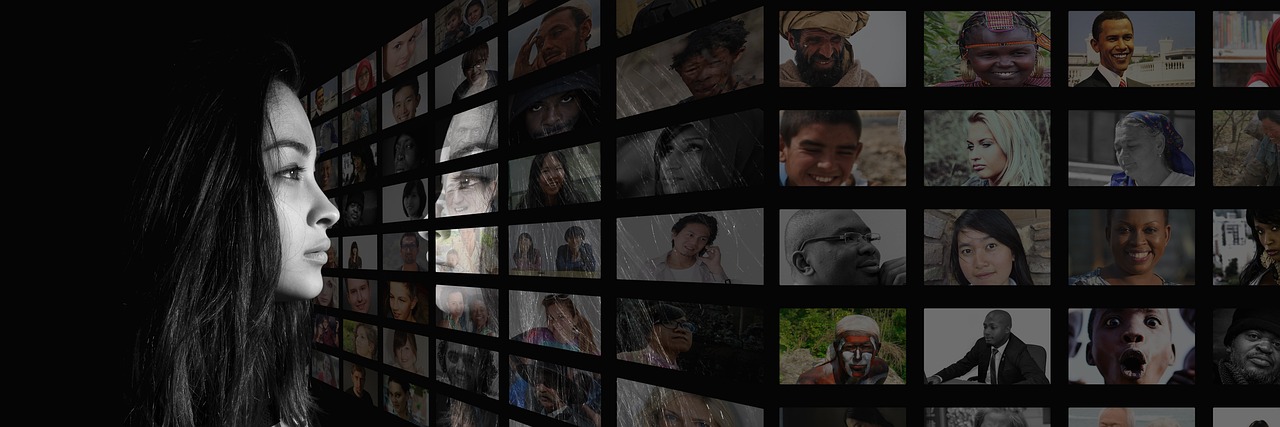

AI’s Role in Promoting Diversity
Artificial Intelligence (AI) has remarkably transformed various aspects of social media, including how diversity and inclusion are approached. By utilizing advanced algorithms, social media platforms can promote diverse voices and create more inclusive user experiences. However, these AI systems can also exacerbate existing biases if they are not designed thoughtfully. One of the most significant challenges is ensuring that AI systems are trained on diverse datasets. If the training data is not representative, it can lead to biased outcomes, perpetuating stereotypes and exclusion. To address this concern, tech companies need to implement fairness audits and collaboratively develop AI models with input from different demographics. Moreover, educational initiatives aimed at illuminating AI’s biases will play a vital role in empowering users and developers alike. Furthermore, ensuring that AI-enhanced tools uphold ethical practices requires a regulatory framework that promotes accountability and transparency. Companies must prioritize ethical considerations when designing AI technologies to improve their social impact. The ongoing evolution of AI in social media will ultimately shape the broader narrative surrounding diversity and inclusion within digital spaces, making these discussions more important today than ever before.
While the potential benefits of AI in promoting diversity are significant, ethical considerations must take center stage. Ethical AI frameworks are essential to ensure inclusivity and responsible use of technology in social media. Stakeholders must work collaboratively to establish guidelines that prevent harm and promote equitable representation while developing AI tools. This includes defining ethical standards and integrating them into the design and implementation phases of AI solutions. Transparency surrounding the algorithms used in AI systems is also necessary to build user trust and credibility. Establishing governance structures can aid organizations in holding themselves accountable for their AI practices.
Moreover, fostering a diverse team of engineers and decision-makers during the development of AI systems can lead to a wider understanding of potential biases and ethical pitfalls. Even simple measures, like community engagement and feedback loops, can help ensure that AI developments align with the needs and values of all users. As we continue exploring the intersection of ethics and AI in social media, understanding diverse perspectives is crucial. Initiatives encouraging advocacy for diverse representation will amplify voices from marginalized communities, influencing policy creation as AI technologies evolve.
The Dangers of AI-Driven Content Moderation
AI-driven content moderation has become increasingly prevalent in social media, with powerful tools now moderating user-generated content in real time. However, it is crucial to consider the implications of these systems concerning diversity and inclusion. Automated moderation can sometimes misinterpret context or cultural nuances, leading to the suppression of marginalized voices inadvertently. Additionally, algorithms may favor dominant narratives while silencing others. This creates a chilling effect on free speech and hampers the richness of discourse on social media platforms. It is vital for organizations to rely not solely on AI but to retain human oversight in content moderation processes. A collaborative approach involving AI and human reviewers can lead to more informed decisions. Organizations should also work towards transparency in the moderation process, providing users with insights into how and why certain content is flagged. Moreover, the potential for abuse or misunderstanding of moderation policies necessitates continuous feedback from diverse user groups to refine AI algorithms. By focusing on ethical considerations, organizations can empower users and ensure a vibrant, inclusive digital dialogue that fosters diverse perspectives across social media channels.
Achieving true inclusivity in social media requires ongoing commitment and collaboration among various stakeholders, including companies, developers, and users. Policies that govern AI’s application in this sphere must evolve continually to keep pace with technological developments. One way to implement these commitments is through corporate social responsibility initiatives that emphasize diversity goals. By integrating these aims into their business model, organizations can contribute to fostering diverse representation proactively. Educational programs targeted at marginalized groups will empower individuals to engage with emerging technologies. This can include training resources, workshops, and support tailored to bridge the digital divide that often isolates vulnerable populations. Moreover, establishing networks or mentorship programs for underrepresented communities can enhance confidence in utilizing AI tools effectively. Additionally, encouraging diverse participation in the tech workforce will create a ripple effect, leading to more inclusive AI systems. In promoting diversity and inclusion, companies should reward innovative solutions that successfully integrate ethical practices. Through proactive measures and a shared commitment to improve digital inclusivity, the technological landscape in social media can transform, ultimately benefitting society at large.
The Future of AI in Social Media
The future of AI in social media presents both exciting opportunities and ethical dilemmas. As resources continue to advance, there will be a profound influence on how diversity and inclusion manifest within online communities. Emerging AI technologies can facilitate personalized experiences, ideally resonating with users from varied backgrounds and experiences. However, there is a growing need for vigilance against exclusionary practices. In designing and implementing AI systems, developers must prioritize inclusiveness to maximize the benefits of these technologies for everyone. A critical aspect of this process entails creating algorithms that actively mitigate bias by focusing on diversity-rich datasets. Furthermore, organizations should collaborate with academia and non-profits to promote equitable practices. Their insights can help inform policy decisions crucial for shaping equitable AI applications. Encouraging open-source projects driven by community input can also result in AI tools that reflect diverse perspectives. Vigilance is required to uphold ethical standards, ensuring that technology fosters inclusion instead of deepening existing divides. A collective effort among stakeholders at this juncture can influence AI’s future trajectory, guiding it toward a more inclusive digital landscape.
AI’s potential to enhance communication tools and networking on social media holds promise for promoting diversity and inclusion. Customizable algorithms can help users connect with diverse communities and share experiences. However, companies must approach this potential wisely to prevent algorithmic biases from creating echo chambers. Algorithms that prioritize content engagement rather than a diversity of opinions can lead to polarized environments. Strategies aimed at promoting constructive dialogues across social media platforms are therefore crucial in maintaining healthy online communities. Furthermore, enhancing transparency surrounding algorithm evolution and performance metrics can serve as a foundation for accountability, ultimately paving the way for better inclusivity. Companies should also actively seek partnerships with advocacy groups to develop features that address user needs adequately. Providing users with options to manage their experience can also empower them to curate their social engagement positively. For instance, users can receive recommendations that reflect their interests while also exposing them to new perspectives regularly. This proactive approach requires continuous assessment and adaptation to align technological advancements with real-world community needs, ensuring social media remains a space for vibrant and respectful discourse.
Conclusion: A Call for Ethical AI
The conversation surrounding AI’s role in diversity and inclusion within social media is far from over. As we navigate a rapidly changing technological landscape, ethical considerations must remain a priority for all stakeholders involved. Organizations must continuously evaluate their AI systems, ensuring they promote inclusivity rather than perpetuate biases. Engaging diverse communities in these discussions is essential for shaping a more equitable digital future. Learning from mistakes and leveraging collaborative insights can drive the evolution of ethical AI practices. Industry leaders and developers share the responsibility of creating transparent, accountable systems by actively involving users in the design process. As we harness the power of AI, let us approach it with a strong ethical commitment that champions diversity, promotes informed dialogue, and fosters inclusion across all social media platforms. We stand at a crossroads where the choices made today will resonate long into the future. Building a socially responsible framework can lead to a digital ecosystem that celebrates rather than marginalizes. Ethical AI practices can ultimately redefine how we navigate social media, ensuring a safe, inclusive space for everyone.
AI’s Role in Promoting Diversity
Artificial Intelligence (AI) has remarkably transformed various aspects of social media, including how diversity and inclusion are approached. By utilizing advanced algorithms, social media platforms can promote diverse voices and create more inclusive user experiences. However, these AI systems can also exacerbate existing biases if they are not designed thoughtfully. One of the most significant challenges is ensuring that AI systems are trained on diverse datasets. If the training data is not representative, it can lead to biased outcomes, perpetuating stereotypes and exclusion. To address this concern, tech companies need to implement fairness audits and collaboratively develop AI models with input from different demographics. Moreover, educational initiatives aimed at illuminating AI’s biases will play a vital role in empowering users and developers alike. Furthermore, ensuring that AI-enhanced tools uphold ethical practices requires a regulatory framework that promotes accountability and transparency. Companies must prioritize ethical considerations when designing AI technologies to improve their social impact. The ongoing evolution of AI in social media will ultimately shape the broader narrative surrounding diversity and inclusion within digital spaces, making these discussions more important today than ever before.