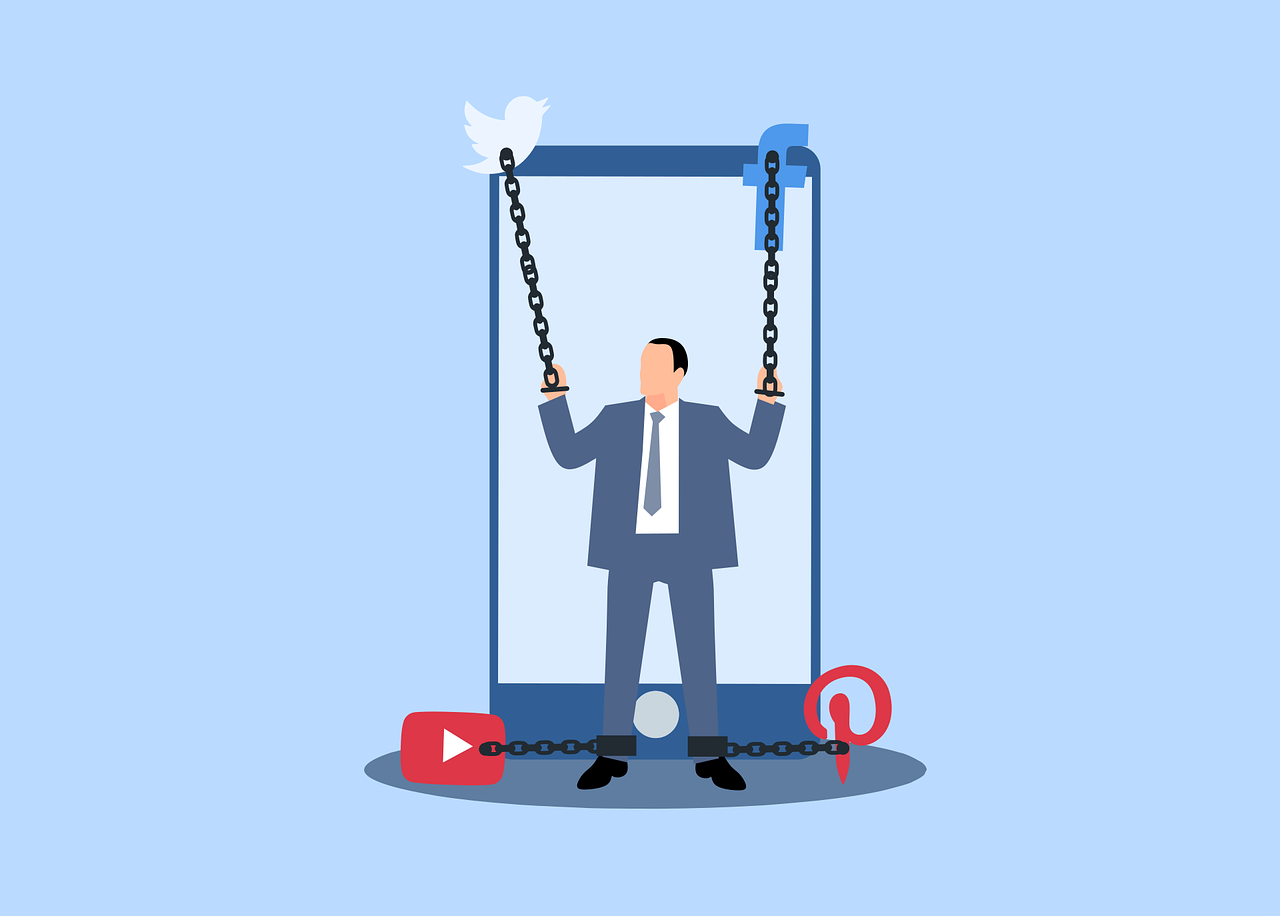

The Psychology Behind Social Media Addiction and Mental Health Risks
Social media has revolutionized communication, enabling instant connections. However, this connectivity brings significant concerns, particularly regarding mental health. Many users develop a compulsive need to check their online accounts frequently. Such behaviors often lead to social media addiction, which has been linked to various psychological issues. Studies show that people who excessively engage with social media may experience increased levels of anxiety and depression. Traditional social interactions become overshadowed by online exchanges, causing individuals to feel isolated when not connected digitally. Furthermore, dopamine release during interactions, such as receiving likes or comments, creates rewarding feelings that can be addictive. When users are not rewarded, feelings of emptiness may arise. It’s crucial to recognize how these patterns affect daily life and relationships. The constant comparison to curated online personas can erode self-esteem, leading to further psychological distress. As awareness grows, understanding the psychological effects of social media use becomes vital for mental wellbeing. In this article, we explore the link between social media habits and mental health to promote healthier social interactions and reduce risks associated with addiction.
Research indicates that social media usage can alter emotional well-being. Users often experience a distorted sense of reality fueled by the imagery presented online. This can trigger feelings of inadequacy when comparing oneself to others’ seemingly perfect lives. Additionally, the anonymity associated with social media can lead to negative encounters, such as cyberbullying. Victims of cyberbullying often face severe emotional consequences, including anxiety and suicidal thoughts. The virtual environment lacks the accountability found in face-to-face interactions, allowing individuals to engage in harmful behavior without consequences. Furthermore, spending excessive time online can lead to a decrease in physical activities, compounding issues related to mental health. The balance between virtual and real-life interactions is essential for a robust social support system. It is vital for individuals to set boundaries on their social media use, recognizing when it starts to interfere with their mental health. Engaging in offline activities, fostering real-life connections, and seeking professional help when needed can significantly improve overall well-being. By enhancing awareness around these issues, individuals can take proactive steps towards maintaining healthier mental states.
The Impact of Social Media on Self-esteem
Self-esteem plays a fundamental role in how individuals perceive themselves and their lives. The pervasive nature of social media impacts self-esteem profoundly. For many, online platforms serve as a constant source of validation or criticism. The cumulative effects of daily interactions can either bolster confidence or significantly diminish it. When users are subjected to unfounded comments or undesirable comparisons, negative feelings can escalate. Furthermore, platforms are designed to amplify engagement through likes and shares, contributing to an unhealthy focus on external approval. This constant quest for validation can lead to unhealthy habits. Many users feel pressure to maintain an idealized online image at all costs, resulting in anxiety and stress. Additionally, prolonged exposure to unattainable ideals can foster discontent with one’s life. Combatting these influences requires conscious effort to curate one’s online experience, including unfollowing negative accounts and focusing on uplifting content. Building self-worth from intrinsic values rather than external validation can be transformative. Thus, understanding these dynamics assists individuals in mitigating adverse effects and promotes healthier self-perception.
Another crucial aspect of social media’s influence revolves around anxiety. The pressure to maintain an online persona can lead to a state of perpetual unease concerning one’s online presence. Users often experience anxiety over posting content, worrying about potential judgment from others. The hyper-connectivity of social media means that the audience is vast, with real-time feedback enabling immediate reactions. Such immediacy often causes stress, resulting in a continuous cycle of seeking approval. Furthermore, the fear of missing out (FOMO) exacerbates anxiety levels; individuals compare their lives to friends’ highlight reels. The fear of being excluded from social activities can lead to compulsive checking of platforms. This frantic behavior reinforces a loop where users prioritize online engagement over personal relationships and self-care. Recognizing these patterns is crucial to developing healthier coping mechanisms. Limiting time on social media and practicing mindfulness can provide relief from the stress associated with constant connectivity. Seeking support from friends or mental health professionals is beneficial in navigating these challenges, fostering a more balanced approach to social media use, and maintaining mental resilience.
Strategies for Healthier Social Media Use
To combat the detrimental effects of social media, users should implement strategies to foster healthier interactions. Awareness of usage patterns is essential and can be accomplished through self-reflection. Regularly evaluating how social media make users feel when interacting with content can help to identify areas that contribute to anxiety or low self-esteem. Another effective strategy involves setting specific time limits for social media engagement. Allocating dedicated periods for checking accounts helps individuals maintain control and avoid the habit of mindless scrolling. Additionally, curating feeds—favoring positive and uplifting content while unfollowing accounts that induce negativity—can have a significant impact. Engaging in offline activities, such as hobbies, exercise, or spending time with loved ones, can effectively replace the time typically spent on social media. Encouraging open discussions about mental health and feelings associated with social media exposure within peer groups can improve collective awareness. Education around the effects of social media on mental wellbeing fosters a supportive environment. Ultimately, promoting healthy habits while navigating social media spaces can lead to a more positive overall experience and improved mental health.
The intersection of social media and mental health awareness is gaining traction. With increasing discussions around its impacts, stakeholders are addressing the urgent need for more responsible social media practices. Educational institutions, mental health organizations, and individuals alike are collaborating to highlight the necessity of mindfulness in digital interactions. Campaigns targeting increased awareness about the risks associated with excessive use or negative interactions are emerging. These initiatives encourage people to foster healthier communication styles and embrace authentic connections. Advocacy for social media literacy also plays a crucial role in mitigating its adverse impacts. Learning how to critically evaluate content and understanding motivations behind online behaviors can empower users. In schools, integrating social media education into existing curricula promotes healthy usage patterns among young users. These educational efforts encourage discussions about self-worth and the importance of balancing online engagement with real-world relationships. Community workshops and mental health awareness events can reinforce the message of promoting healthier digital behaviors. By emphasizing collective responsibility, society can work towards a healthier relationship with social media, emphasizing mental health awareness alongside enjoyable online experiences.
Conclusion: Embracing a Balanced Digital Life
In summary, the relationship between social media usage and mental health is complex and multifaceted. It is essential to recognize both the potential benefits and challenges posed by social media. Awareness of its impacts encourages individuals to be more mindful in their engagement. Striking a balance between virtual and real-life relationships is vital for mental wellbeing. By implementing positive practices, users can mitigate risks associated with addiction and psychological distress. Through understanding the human psyche’s response to online behaviors, individuals can embrace healthier habits. Supporting advocacy efforts aimed at fostering mental health awareness is critical in creating a safer online environment. By promoting accountability within social media spaces, we can cultivate a more supportive, empathetic community. Practicing self-care and prioritizing mental health must remain central to our online engagements. Encouraging dialogues around mental health issues and embracing vulnerability fosters connection. Ultimately, fostering a balanced digital life will enhance individual happiness and well-being. A commitment to change can transform how we view social media, ensuring that it’s a tool for connection rather than a source of harm.