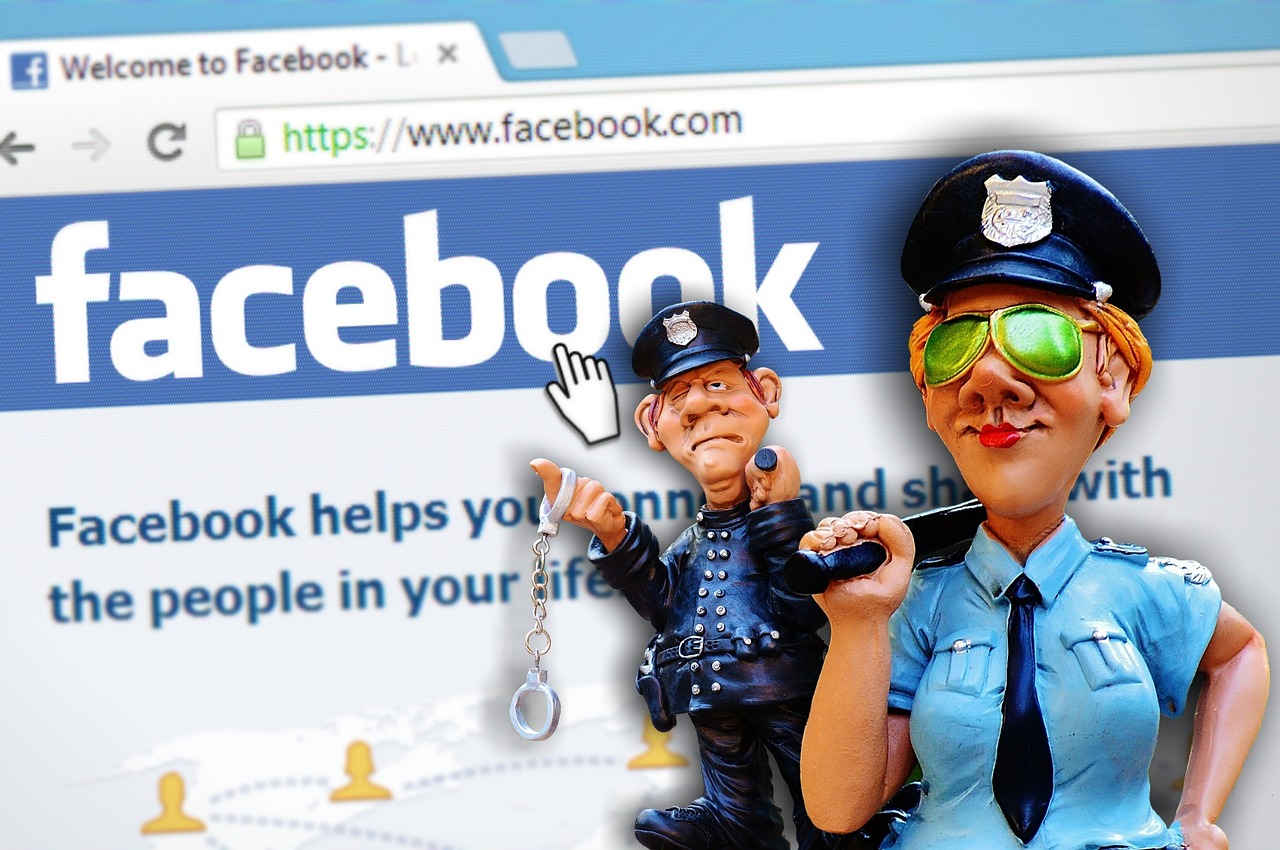

Ensuring Fairness in Social Media Algorithms Used by Police
Social media algorithms significantly impact law enforcement’s approach to crime prevention and public safety. These algorithms analyze vast data sets to identify trends, patterns, and potentially suspicious activities. However, ethical implications arise when biases inherent in such algorithms lead to unfair targeting of specific demographics. By disproportionately analyzing data from minorities or less affluent communities, law enforcement agencies risk reinforcing existing prejudices. Algorithms can become a double-edged sword, designed for efficiency but potentially perpetuating inequality. Furthermore, transparency in how these algorithms operate is crucial; if the public lacks insight, it breeds distrust and skepticism. Stakeholders, including policymakers and community leaders, must prioritize the creation of fair algorithms that do not violate civil rights. Additionally, scrutinizing data inputs and algorithmic outcomes helps ensure accountability. It is vital that these systems are continually reviewed to mitigate any adverse effects on underserved populations. Engaging diverse voices in the development and application of these algorithms promotes equitable practices. Advocating for comprehensive oversight, regularly updated training for personnel using these algorithms, and community involvement is essential for fostering justice and fairness in law enforcement practices.
Understanding Algorithmic Bias
Algorithmic bias arises from unintentional favoritism embedded in the development processes of social media algorithms. These biases can result from a lack of diversity among the creators or data samples used in shaping these algorithms. In law enforcement, this presents a significant ethical dilemma, as biased algorithms may lead to misrepresentation and profiling of specific groups. For example, if an algorithm is trained predominantly on data from affluent neighborhoods, it may overlook criminal behavior in less-affluent areas, leading to discriminatory practices. The necessity of algorithmic auditing cannot be overstated; it helps in identifying ingrained biases in the system. By routinely examining the data inputs, organizations can pinpoint which variables contribute to biased outcomes. This calls for implementing practices that ensure more representative datasets and encourage diversity among algorithm developers. Collaboration among computer scientists, ethicists, and community representatives can create a balanced approach to developing algorithms. Moreover, law enforcement agencies must commit to ongoing training that highlights the significance of maintaining an equitable justice system. Understanding the origins of algorithmic bias will help in crafting methods to prevent its pervasive spread in law enforcement tactics and procedures.
Moreover, ethical considerations surrounding data privacy and consent must be at the forefront of discussions when implementing social media algorithms in policing. The collection of personal information from social media profiles often occurs without explicit consent, raising serious questions about individuals’ rights. This lack of transparency can lead to public distrust regarding law enforcement’s use of social media data. It is crucial for police departments to communicate openly about how they gather and utilize information. By regularly issuing reports and updates, they can cultivate a culture of accountability, making their methods more transparent to the communities they serve. Furthermore, engaging the public in discussions about ethical data use encourages community participation in developing guidelines for algorithm deployment. Policymakers and law enforcement should also consider enacting legislation that protects individuals’ digital rights. Laws can ensure that data collection practices are ethical and uphold citizens’ privacy. Prioritizing ethical considerations in algorithm use not only builds trust but fosters a more collaborative relationship between law enforcement and communities, ultimately contributing to a more fair societal framework regarding policing and safety.
Community Involvement and Oversight
Incorporating community involvement in the oversight of social media algorithms used by law enforcement is essential for ensuring fairness. Community advisory boards can provide valuable insights and critiques regarding police practices. This fosters trust and transparency between law enforcement and the public while promoting shared accountability. Engaging community members allows for diverse perspectives to inform algorithm development. This process can guide law enforcement agencies in identifying how these algorithms can both serve and hinder public interests. Additionally, community panels can periodically review algorithmic output and performance, leading to adjustments that reflect community concerns and needs. Collaborating with community organizations and activists ensures that policing strategies are fair and appropriate. Public forums can also be an avenue for soliciting feedback, providing transparency, and enhancing community-police relationships. By focusing on inclusive practices, agencies can create systems that work towards reducing biases and fostering trust. Ultimately, the community’s voice is critical in shaping policies surrounding algorithmic fairness. Establishing mutual understanding among stakeholders ensures policing practices align with societal values and expectations.
Investment in training for law enforcement personnel regarding the ethical use of social media algorithms is paramount. Officers must be equipped with the necessary skills to interpret algorithmic outputs appropriately, understanding their limitations and potential pitfalls. Training should encompass the fundamental principles of ethics and bias in technology while emphasizing cultural competence, ensuring that officers are sensitive to the diverse populations they serve. Moreover, continued education on technological advancements in algorithms is essential to prevent obsolescence, thus enabling officers to utilize these tools effectively. Workshops, online resources, and collaboration with technology experts can provide comprehensive training opportunities. Integration of real-world scenarios can enforce understanding, as officers learn to apply theoretical knowledge practically. Furthermore, fostering an environment of open dialogue encourages continuous learning and adaptation within police departments. By committing to ethical training, law enforcement agencies position themselves as proactive contributors to justice. An informed workforce can leverage technology in ways that respect civil liberties while enhancing public safety. The impact of ethical education ensures that officers navigate the complexities of social media algorithms responsibly, ultimately benefiting the policing process.
The Importance of Transparency
Transparency in law enforcement’s use of social media algorithms is crucial for building trust within the community. Public awareness of how algorithms are used in policing can counteract speculation and fear. Law enforcement agencies must be proactive in explaining their methodologies and the rationale behind algorithm usage. Providing detailed information regarding the datasets, software, and metrics employed to analyze social media activity helps demystify these processes. Transparent practices promote accountability, enabling citizens to understand why certain decisions are made. Furthermore, clear reporting on the effectiveness of these algorithms in real-life scenarios can assist in evaluating their contributions to public safety. Engaging with the community to solicit feedback about algorithmic performance empowers citizens to voice concerns and advocate for change. Aspects of accountability in policing practices foster a collaborative atmosphere, allowing citizens to co-create solutions that enhance safety authentically. Agencies can create partnerships with tech companies to improve algorithm transparency further, ensuring social media platforms are held accountable for data integrity. Emphasizing transparency in algorithm deployment nurtures constructive dialogue between law enforcement and the public while enhancing the overall effectiveness of policing initiatives.
Ultimately, the intersection of law enforcement and social media ethics is vital in shaping future policing strategies. Developing fair, accountable algorithms requires ongoing commitment and collaboration among all stakeholders. Policymakers, law enforcement agencies, community organizations, and technology developers must work together to address the issues associated with algorithmic biases and ethical data usage. Regular assessments of algorithm performance, community engagement, and training are essential components to ensure that fairness is not an afterthought but a guiding principle. Such collaborative efforts will promote a more transparent and just society. As technology continues to evolve, the ethical implications of its use in policing will become increasingly complex. Proactive engagement and adaptability will remain paramount to ensuring that justice is served equitably. Additionally, fostering a culture that values ethical considerations will enhance public safety while safeguarding civil rights. The development of informed policies is crucial for creating resilient and responsive policing practices. Ultimately, embracing these ethical standards will serve not only law enforcement but also enhance community trust, paving the way for a better-informed and just law enforcement landscape.