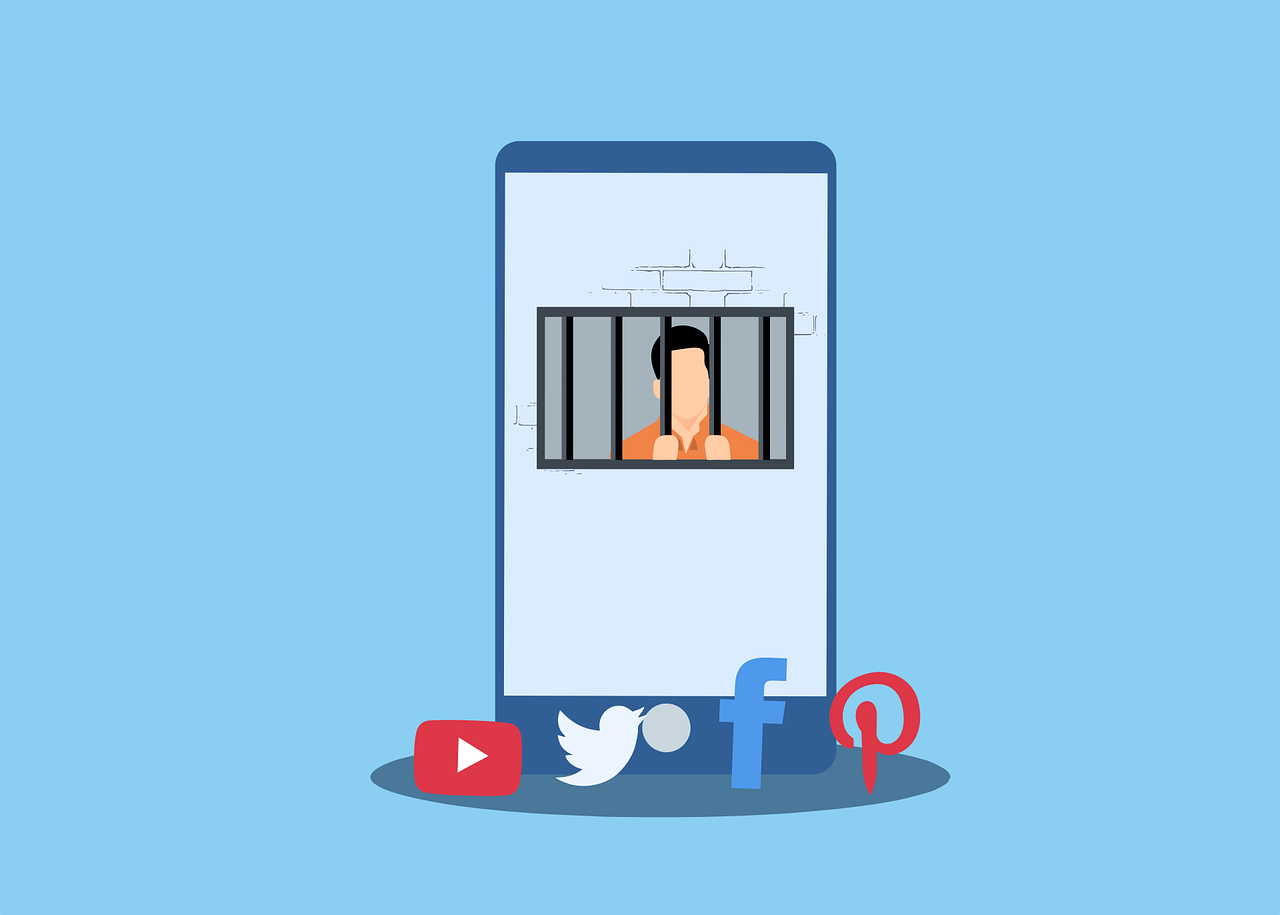

Behavioral Insights into Mobile Social Media Addiction
Mobile social media addiction has become a significant concern in our digital age. With billions of users accessing platforms daily, understanding behavior trends is essential. Studies indicate that users frequently check notifications, resulting in compulsive behaviors around social media platforms. This constant engagement often affects mood, leading to feelings of anxiety or depression when disconnected. Users find themselves scrolling through feeds even during offline activities, indicating a deep-seated dependency. Many individuals report losing track of time spent online, highlighting the need for self-awareness in managing social media consumption. Additionally, social comparisons initiated via mobile platforms can lead to dissatisfaction with one’s own life. The fear of missing out (FOMO) drives users to remain online, perpetuating this cycle of addiction. As mobile technology continues to advance, the user interface of social media apps becomes more engaging, making it increasingly challenging for individuals to resist the urge to check their profiles regularly. The blend of instant communication and information sharing shapes a culture of constant connectivity, making it crucial to explore solutions for balanced engagement on these platforms.
Furthermore, categories of mobile social media use have emerged, with varying emotional impacts. Users might engage with social media for validation, to connect with friends, or simply to pass time. Unfortunately, those who seek validation may exacerbate feelings of inadequacy. This insight is vital for understanding the motivational forces driving online engagement and how they relate to psychological well-being. Analysts suggest that basic human needs influence behavior on social media platforms; for instance, belongingness drives users to form connections, often leading to increased usage. Those who feel lonely may seek solace in digital interactions, reinforcing dependencies. Moreover, the design of applications is crucial, employing color, notifications, and layout to keep users engaged. This phenomenon raises questions regarding ethical responsibility. Developers must recognize the impact of their designs on user behavior, paving the way for more mindful usage. As users navigate their online experiences, they may benefit from awareness about the effects of habitual checking behaviors. By establishing healthy boundaries and fostering digital wellness, mobile social media can transition from a source of addiction to a tool for positive social interaction.
The Cycle of Mobile Engagement
Understanding the cycle of mobile engagement is essential for those investigating mobile social media usage patterns. Users often experience reinforcement from likes, shares, and comments, linking their self-esteem to online presence. This cycle produces both psychological rewards and negative reinforcement, spiraling into repetitive behaviors. The anticipation of receiving validation through online interactions can lead to compulsive checking, disrupting daily life. Notably, peer influences also play a role; users may feel compelled to maintain an active presence to avoid alienating themselves from social groups. As social networks evolve, so do user expectations. This results in continuous engagement, with individuals striving to meet perceived standards of participation. Consequently, the urge to stay updated can overshadow real-life interactions. Research shows that many users prioritize online communication over face-to-face encounters, potentially risking interpersonal relationships. To combat this issue, users are encouraged to establish time limits for app usage and engage in digital detox periods. By recognizing the cycle of engagement, individuals can develop healthier relationships with mobile social media, enhancing their overall well-being while enjoying the benefits it offers.
Moreover, specific demographics exhibit varying degrees of mobile social media addiction, influencing behavioral outcomes. Younger generations, such as Millennials and Gen Z, tend to rely heavily on mobile devices for social interaction. Studies reveal that these groups show higher tendencies toward addiction compared to older adults. This tendency stems from their lifelong exposure to technology and digital communication. Notably, gender dynamics also impact mobile social media usage. Research indicates that females may experience social anxiety linked to social media, engaging more for validation and support. However, males often use outlets for entertainment and humor, demonstrating different motivations for engagement. Furthermore, cultural aspects can affect how users interface with social media, imparting varying definitions of addiction and its implications on user behavior. The perception of addiction varies across countries and cultures, adding complexity to this phenomenon. It is vital to recognize these differences when considering interventions and developing strategies to mitigate mobile social media addiction. Tailored approaches can be implemented in understanding behaviors within these demographics, leading to a more individualized response to the challenges associated with excessive use.
Impact on Mental Health
Additionally, the impact of mobile social media usage on mental health cannot be overlooked. Frequent usage has been associated with increased rates of anxiety and depression, manifesting in numerous studies. Users are often vulnerable to negative online interactions, which can exacerbate feelings of inadequacy and loneliness. This emotional toll reflects in daily lives, as dependence on social media growth can lead to deteriorating mental health conditions. Experts emphasize the importance of digital literacy, enabling users to navigate online spaces more effectively. Understanding their behavioral patterns might help mitigate adverse effects while enhancing positive engagement. Cognitive-behavioral strategies encourage users to reflect on their feelings when using social media and adjust usage accordingly. Additionally, promoting positive experiences through online communities may serve as an antidote for negative interactions. Engaging with supportive peer networks can provide users with the boost they need to shift their social media experience positively. These networks develop resilience against potential toxicity associated with overexposure to social media, allowing individuals to rediscover the value of genuine human connection in a hyper-connected age.
Building on the mental health discourse surrounding mobile social media addiction, users must develop skills for managing their online presence. Encouraging mindfulness and self-regulation can empower individuals to create boundaries that enhance their overall well-being. These strategies range from scheduling periods of time away from screens to exploring interests that promote creativity and socialization in physical spaces. Engaging with hobbies, exercising, or connecting with loved ones personally can help reestablish meaningful interactions outside the digital realm. Social media should not be a substitute for real-life connections but rather a complementary tool. Furthermore, platforms have begun implementing features aimed at reducing compulsive usage, such as screen time trackers. These features can assist users in becoming more aware of their mobile habits and fostering accountability. Education about digital citizenship and the psychological effects of mobile usage is paramount for future generations. By teaching strategies for responsible consumption, individuals may optimize benefits from mobile social media while diminishing addiction risks. In conclusion, championing healthier navigation of social media landscapes encourages positive emotional health and, ultimately, enhanced interpersonal relationships.
Conclusion and Future Considerations
In conclusion, behavioral insights into mobile social media addiction provide essential understandings of user experiences in the digital landscape. The interaction patterns observed reveal how human behaviors contribute to and are affected by addictive tendencies. Delving into motivations behind social media use uncovers factors influencing mental health and social dynamics. Therefore, society must address these insights while promoting solutions to enhance individual and collective digital experiences. Future research should focus on developing innovative approaches to manage social media dependencies effectively. This may include collaboration between developers, mental health professionals, and educators to design more supportive digital environments. Engaging with the community helps foster a culture of awareness and healthy practices regarding social media engagement. Additionally, empowering users with knowledge equips them to make conscious decisions around technology use. By recognizing the value of real-life interactions alongside mobile connectivity, we can reshape how society experiences these applications. Most importantly, addressing mobile social media addiction requires a multifaceted approach involving awareness, education, and ethical considerations in technology design. By prioritizing well-being, individuals can enjoy the positive elements of social media while minimizing negative impacts.
Ultimately, it is vital for users, developers, and researchers to continue exploring mobile social media behavior. Future discussions must reflect on how societal changes influence addiction experiences, considering the rapid advancement of technology. By fostering an open dialogue, we can work collaboratively to mitigate adverse behaviors and promote positive usage patterns among users. The future of mobile social media lies in balancing engaging content with mental health advocacy, ensuring platforms support users rather than contribute to their challenges. As technology continues to evolve, behavioral insights can pave the way for more ethically designed social media tools. The aim should be to create engaging spaces while minimizing risks associated with compulsive behaviors. To achieve this, a commingling of innovative design, research, and psychological insights will ultimately inform our approach. By grounding strategies in user understanding, it becomes possible to enrich the mobile social media landscape, promoting beneficial engagement while addressing addiction concerns. Cherishing the role of social media as a connector, society can strive towards a healthier relationship with technology, blending the benefits of connectivity with well-being. Thus, the ongoing exploration of mobile social media behaviors marks an essential step towards realizing a more harmonious digital future.