
Implementing Robust Security Measures for User Resource Sharing Systems
User resource sharing systems enable users to share valuable content while building a community. However, security in such systems is tremendously important to prevent unauthorized access. To effectively implement security measures, developers must assess potential risks, vulnerabilities, and threats primarily associated with the shared content. Educational initiatives can also empower users to identify security breaches while maintaining their anonymity. Having robust mechanisms in place can mitigate risks of data loss. The following measures can be essential: using strong passwords, employing multi-factor authentication, and consistently updating software to protect the system from exploitation. Awareness of social engineering tactics, such as phishing, is also crucial for users. Developing an incident response plan is prudent to prepare for any potential breaches. These protocols should delineate clear steps to familiarize users with best practices to safeguard their private data frequency. Finally, regular audits and updates should be conducted to ensure security standards remain high, complying with regulations regarding user data security. Ensuring the integrity of these systems contributes significantly to user trust, which is critical for the overall success of user-generated content platforms and resource sharing initiatives.
A critical component of a secure user resource-sharing system is data encryption. Data encryption transforms information into unreadable code, ensuring that only authorized users can access the shared content. To implement effective encryption methods, developers must select standards like Advanced Encryption Standard (AES) to secure sensitive information transmitted during sharing. Additionally, employing encryption at multiple stages, such as during file transfers and storage, enhances data protection significantly from potential breaches. Furthermore, utilizing secure file transfer protocols, for instance, Secure Sockets Layer (SSL) and Transport Layer Security (TLS), can help protect shared content transmitted over the internet. Mandatory encryption not only shields user data but also instills confidence within the community of users. Users should be made aware of the encryption techniques being used, fostering transparency and accountability within the sharing environment. Protecting metadata and maintaining user privacy is an additional layer of importance when it comes to user-generated content. By executing these measures diligently, developers can construct a resilient system that safeguards user-generated resources while promoting a culture of safe sharing practices among users.
Establishing User Authentication Protocols
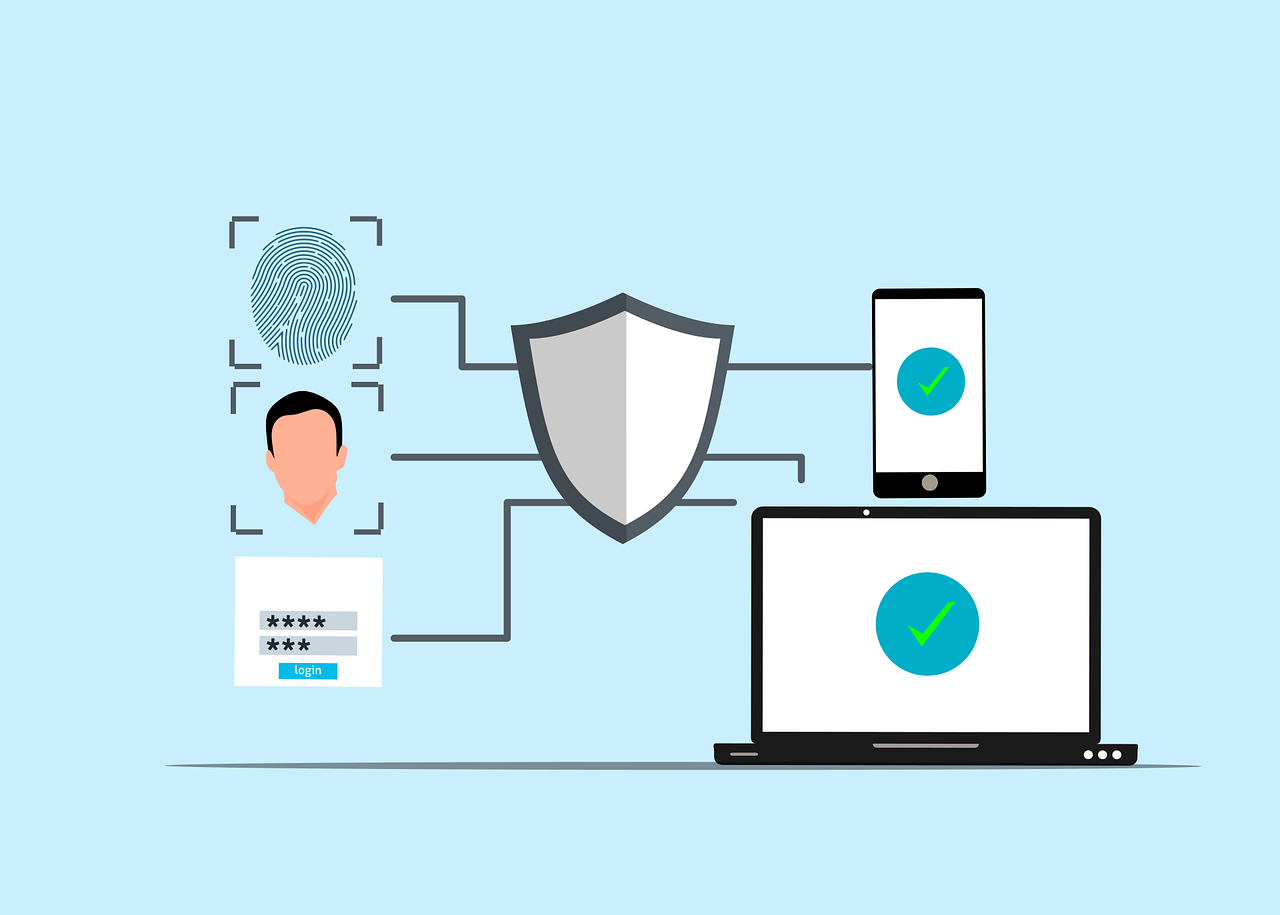
User authentication plays a pivotal role in securing resource-sharing systems, as it determines who can access shared data. Employing strong user authentication techniques can significantly mitigate unauthorized access. Multi-factor authentication (MFA) serves as a vital safeguard that requires users to provide two or more verification factors to authenticate their identities. This may include something they know, like a password, something they have, like a mobile device, or something they are, such as biometric data. Integrating single sign-on (SSO) solutions can simplify access for users while still maintaining security. Secure session management must be implemented to manage user sessions efficiently, ensuring sessions time out after periods of inactivity. Moreover, educating users regarding secure credential regarding password management is essential. Encouraging the use of password managers can help users maintain unique, strong passwords for different accounts, minimizing risks associated with common password usage. Regularly prompting users to update their passwords can further fortify the system. Implementing these user authentication strategies can significantly reduce the possibilities of unauthorized access while creating a trustworthy sharing environment that users feel confident interacting with.
Within user resource-sharing systems, continuous monitoring and management need to be employed to ensure robust security. This encompasses monitoring user activities to detect any unusual or suspicious behavior that could indicate a security threat. By employing automated anomaly detection algorithms, administrators can analyze patterns in user behavior and flag any deviations from the norm. This proactive approach not only aids in identifying potential breaches but also helps maintain a trustworthy platform for users. Regular software updates and patches are also imperative for fortifying security. Systems must be equipped with the latest security features to defend against new and evolving threats. By creating a responsive security framework, developers can greatly enhance their adaptability and resilience against attack vectors. Establishing partnerships with external security experts can foster an additional layer of security through regular consultations and assessments. Similarly, user feedback can also be useful for identifying vulnerabilities from a user perspective. Additionally, hosting awareness campaigns can educate users on new security threats and empower them to engage in best practices while using shared resources. Together, these strategies create a robust security infrastructure vital for successful user resource-sharing systems.
Implementing Comprehensive Privacy Policies
Privacy policies act as the backbone of user trust in any resource-sharing system, underscoring the significance of data collection and usage practices. Drafting comprehensive privacy policies ensures users are aware of how their data is collected, stored, and shared. Developers should explicitly outline the types of information gathered, detailing the methods used for obtaining user consent. Keeping these policies transparent allows users to feel in control of their personal data while engaging in resource-sharing activities. Furthermore, adhering to international privacy regulations, such as the General Data Protection Regulation (GDPR), is critical in maintaining user trust and credibility. These guidelines mandate that users have the right to access their data, request its deletion, and receive information on data processing purposes. Incorporating privacy by design principles will further enhance user privacy during app development processes, focusing on data minimization practices. Regular audits should be conducted to ensure compliance with privacy policies and to identify underlying areas for improvement. By starting a constructive dialogue surrounding privacy matters with users, developers can foster a collaborative environment that prioritizes user security and satisfaction in resource-sharing systems.
Educating users regarding best security practices is essential for maintaining a strong security posture within user resource-sharing platforms. Implementing training programs and awareness campaigns to promote cybersecurity awareness significantly empowers users. These initiatives can cover best practices, such as recognizing phishing attempts, controlling privacy settings, and understanding the importance of securing personal data. Integrating security literacy modules directly into user registration processes can reinforce knowledge and raise awareness of relevant threats. Providing regular updates and informational newsletters will keep the community informed about emerging threats, ensuring users are always up-to-date. Interactive webinars and educational resources can also enhance users’ understanding of security protocols. By offering support services and an easily accessible help center, users can receive immediate assistance in identifying security breaches or investigating suspicious activities. Encouraging user feedback regarding their experiences with security implementations can help refine current practices and uncover areas that need improvement. In building a security-focused community, users become more vigilant and proactive in recognizing potential threats. Empowering users with the knowledge they need fosters a cooperative relationship and strengthens overall security in user resource-sharing environments.
Conducting Regular Security Audits
Regular security audits serve as a critical safety measure in maintaining secure user resource-sharing systems. Conducting audits allows administrators to identify vulnerabilities, assess compliance with security policies, and gauge the overall resilience of the platform against potential threats. These audits should encompass both automated testing, which systematically checks for weaknesses, and manual assessments that review operational practices and security configurations. Assessing third-party integrations is equally crucial, as many platforms rely on external services for various functionalities. Ensuring these APIs adhere to the security standards established by the platform will help mitigate exposure to risks associated with third-party elements. Following each audit, developers should document findings, prioritize vulnerabilities identified, and implement corrective measures promptly. Consistent auditing prepares a platform to adapt to changing security landscapes effectively. Furthermore, hosting independent audits can provide additional insights into unrecognized vulnerabilities. Collaborating with cybersecurity experts to conduct these assessments will foster heightened credibility for the platform within the user community. By investigating and addressing vulnerabilities thoroughly and regularly, developers can reinforce user trust while ensuring secure resource-sharing environments.
In conclusion, establishing robust security measures for user resource-sharing systems is essential for maintaining user trust and safeguarding shared content. By adopting multi-faceted approaches, such as implementing data encryption, establishing user authentication protocols, and conducting regular security audits, developers can significantly enhance platform security. Additionally, creating transparent privacy policies and fostering a culture of cybersecurity awareness empowers users to engage safely within the sharing ecosystem. The successful implementation of these strategies enables platforms to circumvent potential threats effectively, ensuring a safe environment conducive to user-generated content. Furthermore, continuous improvements should be a fundamental focus, fostering an adaptive security framework capable of evolving alongside emerging threats. As technology continues to advance, the importance of prioritizing security will only grow. Encouraging user collaboration in resource-sharing practices can yield immense benefits, ultimately creating a community focused on collective wisdom while sharing valuable resources. Building trust goes hand in hand with implementing security measures, which leads to successful user engagement, vital for the sustainable growth of such systems. Through diligence and commitment, developers can craft resilient platforms prepared to protect users against potential vulnerabilities in the digital landscape.