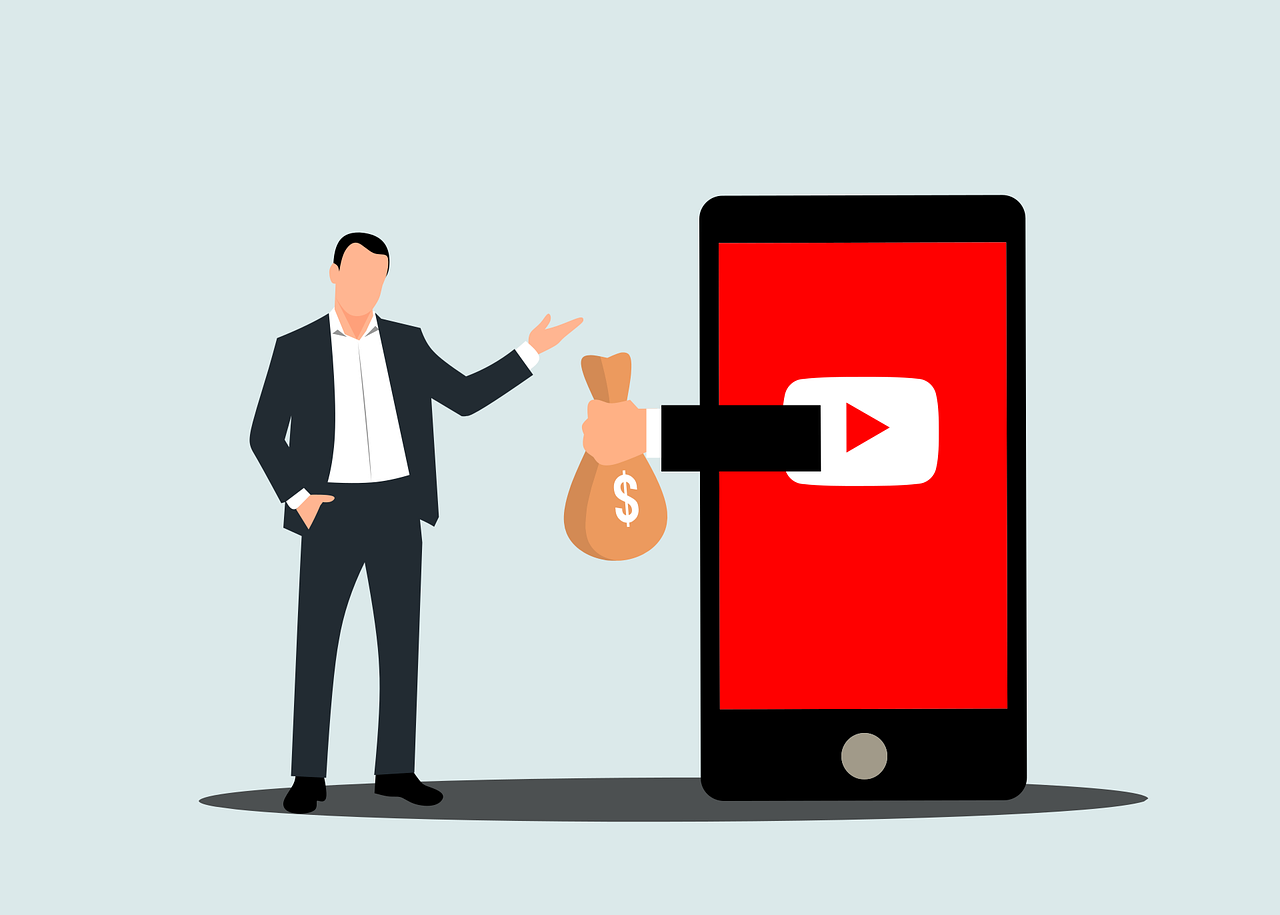

Increasing Brand Visibility: Paid vs Organic Video Marketing Tactics
In the digital age, brands must employ robust marketing strategies to stand out and capture audience attention. Video content is vital for engagement and has risen in importance across all channels. Paid video marketing can provide immediate visibility through ads on platforms like YouTube and Facebook. This includes various ad formats such as skippable ads, bumper ads, and sponsored content. These formats can quickly increase reach, ensuring brands appear in front of potential customers. On the other hand, organic video marketing focuses on creating valuable content that users want to share and engage with. This strategy nurtures relationships over time, often leading to sustainable growth. Utilizing influencer partnerships and engaging storytelling can enhance organic reach. Supplying authentic, high-quality video content builds trust with the audience, further increasing brand visibility. Marketers must balance paid ads with organic tactics, as relying solely on one can limit effectiveness and visibility. Understanding the target demographic well can boost results from either strategy, making it essential to evaluate where audiences consume video content most frequently. A comprehensive strategy can lead to measurable successes for brands in both the short and long term.
Video marketing is essential for brands aiming to improve their digital presence, and targeting the right audience is critical. With paid marketing, brands can use advanced targeting methods to reach specific demographics, ensuring better conversion rates. By analyzing audience demographics, interests, and behavior, marketers can create succinct video ads that speak directly to their ideal consumer. This precision is often unattainable with organic strategies, where videos may reach a broader, yet less relevant audience. Nevertheless, organic video content has its advantages. When videos resonate with viewers, they share them, dramatically increasing organic reach at no additional cost. This word-of-mouth approach grows trust in the brand and often leads to conversions. It is crucial to provide compelling video content that encourages users to like, share, and comment. Engagement is what drives organic visibility on platforms. Employing both paid and organic strategies in tandem creates a balanced marketing approach that takes advantage of the strengths of each while mitigating their weaknesses. Many successful brands utilize this combination as a powerful way to maximize the effectiveness of their video marketing efforts.
Benefits of Paid Video Marketing
Paid video marketing offers several advantages that can significantly help brands achieve their marketing goals. First and foremost, it provides immediate visibility and exposure. Brands can quickly establish a presence in their target market, ensuring their messages reach thousands or even millions of users promptly. Furthermore, paid campaigns allow for greater flexibility regarding promotion and targeting options. Brands can select various ad formats that best fit their goals while also adjusting them as needed based on performance. For instance, retargeting audiences who have viewed previous content means brands can refine their strategies effectively. Another benefit of paid video marketing is that it often generates data-rich insights through analytics. These metrics enable marketers to assess audience engagement levels and optimize future campaigns accordingly. Consequently, brands can make informed decisions about settings that yield better conversions. Additionally, integrating paid video marketing alongside other advertising efforts ensures coherency in campaigns. The financial investment made in this approach can yield substantial returns when strategically implemented. Marketers must capitalize on opportunities to leverage paid methods while choosing the right mix of platforms and formats for maximum impact.
Conversely, it is equally important to understand the benefits of organic video marketing and its role in a holistic strategy. Organic content often provides authenticity that resonates strongly with audiences. When viewers see unedited behind-the-scenes footage or personal stories shared by real customers, it effectively builds trust and relatability. This authenticity can create loyal followers who genuinely connect with a brand. Unlike paid advertisements, which viewers may skip or block, organic content tends to invite participation and conversation. Brands can utilize platforms like Instagram, TikTok, and Facebook to post organic videos, engaging users and encouraging interaction. Producing consistent, high-quality content showcasing brand values and mission fosters long-lasting relationships. Such loyalty often translates into advocacy, as dedicated fans promote the brand’s offerings freely. Furthermore, organic strategies can cultivate a community around the brand, allowing for more extended interactions with potential customers. Ultimately, organic video marketing nurtures relationships that can translate into significant opportunities for unpaid referrals. When used alongside paid tactics, these organic approaches build a rich, engaged audience that benefits the brand’s entire marketing ecosystem.
Measuring Success in Video Marketing
An effective video marketing strategy must include measuring and analyzing performance metrics. Understanding what metrics to track is crucial for determining the success of both paid and organic video efforts. For paid video campaigns, marketers should focus on key performance indicators (KPIs) such as view rates, click-through rates (CTR), and conversion rates. These metrics provide valuable insights into viewer engagement and the effectiveness of ads. Tracking these figures enables marketers to identify which ads perform well and which need improvement. On the other hand, for organic video content, brands should analyze metrics like engagement rates, shares, and return viewers. High engagement rates indicate that users are interested and are willing to take action, followed by sharing content with their networks. Tracking viewer demographics allows brands to adjust future content according to their audience preferences. Moreover, analyzing retention rates reveals how long viewers stay engaged with videos. Understanding how different types of content resonate with audiences helps refine future strategies. Enhancing the quality and relevance of videos only improves brand visibility over time, making data analysis a core component of any successful video marketing plan.
In conclusion, combining paid and organic video marketing strategies is essential for maximizing brand visibility. Each method has unique strengths and can be powerful when employed together. Paid video marketing can quickly increase reach and visibility, essential for short-term campaigns and promotions. Organic strategies foster deeper connections with audiences, generating long-term loyalty and trust. By allocating resources effectively between paid and organic video efforts, brands can optimize their visibility and engagement levels. Furthermore, leveraging customer insights gathered from analytics allows brands to tailor their content to meet audience needs, which is crucial for a successful campaign. Brands should not only focus on the number of views but prioritize engagement, interactions, and conversations around their video content. This authentic presentation fosters community and builds a loyal follower base willing to share and engage. As digital marketing continues to evolve, understanding the balance of paid and organic growth becomes even more critical. Once brands master this equilibrium, the resulting synergies elevate their marketing efforts to new levels of success, driving revenue and enhancing their overall brand presence in competitive landscapes.
The Future of Video Marketing
The future of video marketing holds immense potential, and staying ahead of trends will be essential for brands. Emerging technologies like artificial intelligence and augmented reality are reshaping how brands approach video creation and distribution. These tools allow for personalized video content tailored to individual preferences, which can further enhance engagement and conversion rates. Additionally, platforms continue to evolve, creating new opportunities for brands to utilize video effectively. Live streaming and short-form video content are rising in popularity, offering instantaneous engagement and interaction. Brands must adapt to these shifting landscapes to maintain relevance and visibility. Interactive video content, where viewers can make choices that affect the narrative, is another trend that could transform viewer experiences. Such innovative formats enable brands to create compelling storytelling described by the audience’s decisions, leading to deeper engagement. Continuous education on the latest video marketing trends and techniques will be necessary to remain competitive. By embracing innovation and creatively blending paid and organic strategies, brands will be well-positioned to navigate the evolving future of video marketing and consistently increase their visibility in a crowded market.
Ultimately, the integration of paid versus organic video marketing strategies represents a holistic approach to enhance brand visibility. A comprehensive understanding of these tactics ensures brands not only reach their desired consumer base but also foster meaningful connections. Video marketing expands beyond traditional borders, becoming a key player in digital marketing strategies across diverse sectors. Both methods, while having distinct characteristics, contribute synergistically to driving brand awareness and sales. As the market continues to diversify, the importance of optimizing these strategies cannot be overstated. Forward-thinking brands that invest time and resources wisely into both paid and organic methods will likely thrive. The commitment to high-quality content creation and distribution ultimately pays dividends in customer loyalty and brand recognition. Consistently delivering valuable video content encourages continual consumer engagement and retention. Thus, the emphasis on both paid and organic video strategies is not merely a tactic but a necessary evolution of contemporary marketing practices. Monitoring performance and adapting to audience insights will refine strategies for sustained success, making effective video marketing integral to any successful brand’s marketing arsenal. To navigate this complex landscape, brands must remain adaptable and innovative.