
Top Analytics Tools for Tracking Small Business Social Media Growth
In today’s competitive landscape, small businesses must effectively utilize analytics tools to understand their social media growth. Social media platforms provide various metrics, making it crucial to choose the right analytical instruments. First, tools such as Google Analytics offer insights into website traffic driven by social media. This will let small business owners track the effectiveness of their campaigns. Additionally, platforms like Sprout Social can help track engagement and demographics, providing comprehensive insights into customer interactions. Utilizing these analytics can significantly enhance marketing strategies, leading to better overall performance. Moreover, businesses should consider using Hootsuite as it allows them to manage multiple social media accounts in one place while analyzing their effectiveness. It’s vital to assess which tools align with specific business goals, as not all analytics platforms will provide the same insights. The right metrics should guide decision-making processes and marketing adjustments. In summary, leveraging appropriate analytics tools is essential for small businesses aiming for successful social media growth. Investing in these capabilities helps drive actionable results that can help improve engagement and foster stronger customer relationships.
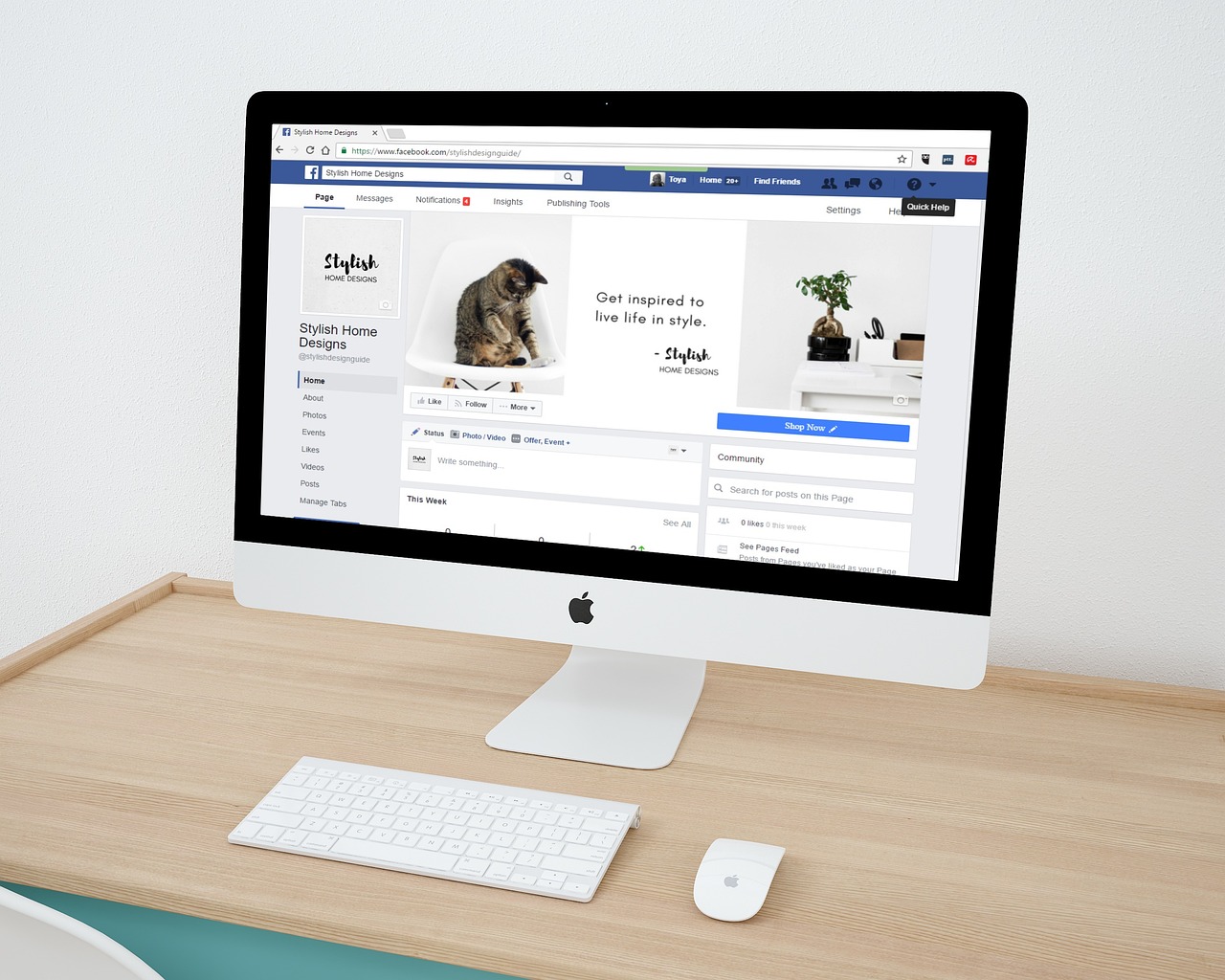
Another powerful tool for tracking social media growth is Buffer. It stands out due to its user-friendly interface and scheduling capabilities. Small businesses can plan their posts ahead of time, ensuring consistent online presence. Buffer provides easy access to analytics, allowing teams to analyze what content resonates best with their audience, leading to data-driven decisions. Similarly, Facebook Insights offers detailed analytics specifically for business pages on the world’s largest social media platform. It provides data on post engagement, reach, and audience demographics. This can be incredibly valuable for adjusting marketing strategies to better suit target customers. Additionally, Instagram’s native analytics tool, Instagram Insights, enables businesses to track follower activity and their own post performance. Small businesses should fully utilize these free tools to analyze their growth effectively. Tracking this vital information can help shape future content and decisions strategically. Moreover, keeping up with current trends in social media analytics is crucial since the landscape is always evolving. To excel, small businesses must continuously innovate and adapt their strategies to remain competitive and relevant in their respective markets.
Choosing the Right Analytics Tool
When selecting the appropriate analytics tool for social media growth, it’s essential to consider business objectives. Each tool offers unique features tailored to specific needs, making it vital to match them with strategic goals of the business. Companies focused on content marketing might prefer tools like BuzzSumo, which helps identify trending topics and track competitor content performance. Understanding commonly shared posts can drastically enhance engagement strategies. Furthermore, combining multiple analytics tools can provide a broader perspective; using Google Analytics alongside Buffer may yield more insights about the overall effectiveness of marketing efforts and user behavior. Additionally, looking at customer feedback can also help guide which tools suit the target audience best. This is where platforms like SurveyMonkey come in handy, allowing businesses to gather customer opinions directly. Gathering insights from diverse sources enables more comprehensive marketing strategies. Moreover, spending on tool subscriptions should align with expected returns; spending more doesn’t guarantee better results. Therefore, weighing the pros and cons of each tool is necessary for making informed choices that will positively impact the social media growth of a small business.
Another important aspect to consider is the scalability of the analytics tools. As the business grows, so do its analytics needs. Therefore, small businesses should invest in scalable analytics platforms that can grow alongside their operations. Tools like Klipfolio offer customizable dashboards that can evolve based on new metrics that may arise. This adaptability ensures businesses capture relevant data consistently. At the same time, it’s also beneficial to explore tools that offer integrations with other software already in use. This can facilitate better data flow and ease the analysis process. For example, integrating email marketing tools with social media analytics can provide deeper insights into campaign performances. Furthermore, consider comprehensive software that encompasses various aspects of marketing, such as Google Data Studio, which visualizes data effectively from multiple sources. Also, establishing a routine for analyzing metrics consistently is necessary. Regular reviews of performance data can inform timely adjustments. To succeed in the ever-evolving social media landscape, businesses must adopt an agile approach to analytics, ensuring they can quickly implement insights to enhance their strategies and engagement.
Summary of Key Benefits
In conclusion, the right analytics tools can greatly enhance the social media growth of small businesses. These tools not only provide essential data but also enable businesses to make informed decisions based on actual performance metrics. Using platforms like Buffer, Instagram Insights, and Google Analytics ensures comprehensive tracking of social media activities. Furthermore, integrating scalable options can support business growth. As a competitive advantage, analytic insights can pinpoint audience preferences and behaviors aligning with industry trends. Consequently, utilizing these insights for engaging content creation is vital. Moreover, regularly revisiting strategies based on analytics results prepares businesses for market shifts. Focusing specifically on goal-oriented tools allows small businesses to allocate resources efficiently while minimizing waste. Importantly, sustainability in marketing efforts also leads to a positive brand image, driven by data-backed decisions. Each platform discussed offers unique benefits that cater to various aspects of social media growth. Additionally, monitoring effectiveness through clear metrics ensures long-term success in the digital marketplace. By leveraging these powerful resources, small businesses stand poised for ample growth in their online presence.
As social media continues to evolve, staying informed about the latest developments in analytics tools is essential for small businesses. Regular training and learning opportunities for staff can also enhance their data literacy, thus maximizing the use of these tools. Participating in online webinars or workshops can provide valuable insights into new trends. Furthermore, networking with other small business owners to share experiences with different platforms may yield useful recommendations. Social media analytics can be intimidating, especially for novice users; however, many tools offer user-friendly interfaces designed specifically for ease of use. This accessibility fosters a culture of data-driven decision-making within organizations. Moreover, businesses should also consider investing time in customizing their dashboards to focus on key performance indicators relevant to their strategies. Prioritizing important metrics helps streamline efforts and enhances understanding of performance analytics. Additionally, businesses should develop a solid action plan based on analytics to keep the marketing team aligned. Every tool selected should be part of a broader marketing plan that empowers the team to act effectively based on real insights. Emphasizing the importance of analytics will ensure continuous improvement and growth over time.
Final Thoughts
Ultimately, small businesses must engage continuously in refining their use of analytics tools to remain competitive. Regular assessments of tool performance against industry benchmarks are recommended, ensuring businesses are using effective platforms. Utilizing reviews and case studies of similar businesses can also provide insights into effective methodologies. Encouraging feedback within teams about the tools used can lead to improved operational efficiency. In addition, testing and experimenting with different tools before fully committing can yield better insights. Some platforms may offer trial periods enabling businesses to gauge value and usability. Constant adaptation to technological advancements will keep small businesses at the forefront of social media strategies. Additionally, as social media algorithms change, it’s vital to stay flexible and adjust strategies based on real-time data. Consisting of all considerations made throughout the phase of growth, the focus must always be on the ultimate goal: fostering connections with customers and aligning with their needs. In the end, the right mix of analysis and customer engagement is fundamental for achieving lasting success. Armed with the knowledge of available tools, small businesses are well-equipped to navigate this dynamic landscape productively.
By integrating these insights with practical marketing strategies, small businesses can unlock the full potential of social media. It allows creativity to flow unobstructed, giving businesses a significant edge in today’s crowded marketplace. With the right understanding of available tools, success stories will proliferate in unexpected corners of industries.