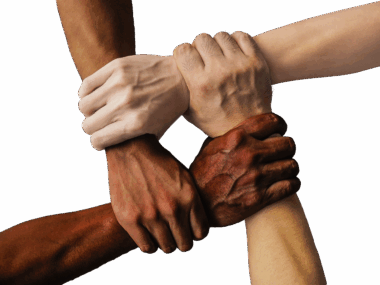

How to Use Meetups to Grow Your Online Community
Meetups are powerful tools that can significantly enhance your online community. By organizing local or virtual gatherings, you create opportunities for members to connect and engage in meaningful ways. Start by identifying your community’s needs. Consider the interests of your audience and tailor the meetups accordingly. Popular themes might include workshops, networking events, or social gatherings. Promote your meetups extensively through social media channels like Facebook and Twitter. This will help you reach a broader audience and encourage participation. Moreover, use your community platforms to spread the word. Create event pages or announcements that detail the purpose of the meetup, the agenda, and how to join. By ensuring people know what to expect, you attract more participants. Also, consider offering incentives for attendees such as giveaways or exclusive content. This can drive interest and encourage repeated attendance. Overall, integrating meetups into your community building strategy will foster relationships that strengthen online interactions and engagement. Building a vibrant community around shared experiences is essential for long-term growth. Remember, the connections made at these events can translate into increased loyalty and engagement online.
One of the keys to a successful meetup is ensuring it aligns with your community’s culture and values. This creates a seamless transition from online interactions to real-world connections. Begin by developing an enticing agenda that includes activities fostering engagement and collaboration. Consider interactive workshops, panel discussions, or informal networking sessions to cater to diverse preferences. Additionally, ensure the location or virtual platform is accessible and user-friendly. Comfort and convenience significantly impact attendance rates. Encourage members to share their experiences before, during, and after the meetup, utilizing social media for maximum exposure. Attendees can post photos, share their insights, or even write blogs about their experiences, contributing to community growth. Furthermore, always gather feedback after each event. Ask participants what they enjoyed and what areas needed improvement. This feedback assistively shapes future meetups, making them even more appealing. Offering a survey or informal discussion session after the event will provide valuable insights. Remember, the goal is to develop a sense of belonging, as strong emotional connections keep community members engaged. Therefore, thinking strategically about your meetups is crucial for long-term community growth.
Creating a vibrant atmosphere at your meetups is essential to fostering relationships among attendees. Incorporate activities that encourage interaction, such as icebreakers or group discussions. These activities can help break down barriers and facilitate communication among participants who may not know each other. Utilizing games or collaborative projects can also stimulate engagement. Providing refreshments and snacks can make attendees feel more comfortable, promoting a relaxed and friendly environment. Additionally, consider having guest speakers who can share relevant insights and expertise within your community niche. A knowledgeable speaker can inspire and engage participants, leading to more profound discussions. Their presence can also elevate the perceived value of the meetup. Furthermore, ensure you create moments for informal networking. Allow time for attendees to connect one-on-one or in small groups. Those casual conversations can lead to fruitful partnerships or friendships. Capture these moments through photographs to document the event’s success. Sharing these images will help solidify connections and create excitement about future meetups. Lastly, continuously evolve your meetup format based on participant preferences. Strive to create an event that resonates with attendees and cultivates lasting connections.
Utilizing Technology for Effective Meetups
In today’s digital era, leveraging technology can significantly enhance your meetup’s reach and impact. Utilize platforms like Zoom or Google Meet for virtual events, making it easier for members unable to attend in-person meetups. When scheduling, choose times that accommodate various time zones or availability. Integrate registration tools like Eventbrite or Meetup.com to streamline the process and keep track of attendance. This helps in planning logistics more efficiently ahead of the event. Promote your meetups through email newsletters, social media stories, and dedicated flyers to ensure everyone knows about the upcoming event. Having a visually appealing event invitation can increase excitement among participants. During the meetup, enhance engagement through online polls and Q&A sessions, where attendees can share thoughts actively. This interactive component can make the events lively and helps keep participants interested. Post-event, utilize social media channels to create discussion threads where members can share insights or resources related to the meetup topic. This keeps the conversation going and strengthens community relationships beyond the event. Always aim for innovation in your meetup approach to keep content fresh and exciting.
Another important aspect of using meetups to grow your online community is establishing a welcoming environment. This can be achieved by incorporating elements that make newcomers feel included and valued. During each event, facilitate introductions, ensuring every participant has an opportunity to share their background or interests. This practice helps attendees find common ground and fosters connections. Try assigning a few members as ambassadors to guide newcomers through the meetup process. Their role can be crucial in breaking the ice and nurturing a friendly atmosphere. Additionally, sharing a set of community guidelines at the beginning of each meetup fosters respect and positive interactions. Encourage open communication and the sharing of diverse opinions within that framework. Also, showcase success stories from community members during the events. Highlighting achievements or collaborative projects encourages motivation and demonstrates the tangible benefits of engagement within your community. Furthermore, consider implementing a membership system that rewards active participants. Acknowledgment can further motivate attendees to be involved and contribute. Balancing all these elements creates an inviting space where members feel cherished and encourages more active participation, strengthening the community fabric.
Nurturing Long-lasting Connections
Fostering long-lasting relationships among community members should be a priority in your meetup strategy. Once you’ve established a strong foundation, focus on continuing engagement after the initial meetup ends. Consider organizing regular follow-up events, such as monthly coffee catch-ups or themed discussions. This continuity nurtures relationships and encourages a culture of consistent participation. Additionally, develop mechanisms through which members can communicate outside of official meetups. Creating dedicated channels on platforms like Discord or Slack allows for ongoing discussions and support. Encourage members to use these spaces to share industry news, opportunities, or simply check in with one another. Also, facilitate mentorship programs whereby experienced members assist newcomers. This can enrich the overall community experience and provide deeper connections among members. Cultivating a community calendar can also keep everyone informed about upcoming events and ensure active participation. Regular updates about ongoing projects contribute to a sense of belonging and ownership. Moreover, show appreciation for contributions made by members. Thanking individuals publicly during meetups can motivate them to stay engaged and reinforce their connection to the community.
Finally, always evaluate the success of your meetups to ensure they continue to serve your community effectively. Collect data through participant surveys, feedback forms, or one-on-one discussions to gauge members’ perceptions about the events. Analyzing this data provides insights into what resonates well and what areas require improvement. Use this feedback to refine your agenda, venue selection, and facilitation styles. Continuous improvement will keep your meetups relevant and appealing to your audience. Additionally, celebrate milestones or achievements as a community. Organizing anniversary celebrations or highlighting significant contributions can bring members together to reminisce and strengthen bonds. This fosters a culture of recognition and partnership, further enhancing the community spirit. Keep the momentum going by sharing regular updates on social media, highlighting key takeaways from your meetups. This keeps those who couldn’t attend in the loop while creating buzz for upcoming events. Ultimately, by integrating these strategies, you will cultivate a thriving online community enriched through meaningful, in-person interactions that foster loyalty, connection, and engagement.
Conclusion
Utilizing meetups to grow an online community involves strategic planning and execution. The focus must remain on fostering connections, engagement, and a welcoming atmosphere that supports diverse interactions. By actively considering member needs, you can create well-rounded events that resonate with your audience. Promote your meetups effectively through various channels to ensure high participation rates and continuous engagement. Make each meetup an opportunity for learning, sharing, and connection that contributes to collective growth. Encouraging ongoing communication will make participants feel valued and enhance the community experience. With a thoughtful approach to organizing these meetups, you can transform your community into a vibrant and thriving network. Lastly, always remain adaptable, gather feedback, and celebrate collective achievements that reinforce bonds among members. This commitment will support not only growth but a culture of mutual support and collaboration, integral for sustaining a vibrant online community.