
Using Metrics to Motivate and Reward Employee Advocates
Employee advocacy is crucial in today’s business landscape, where organizations leverage their employees’ voices to promote their brand, expand their reach, and increase engagement. Collecting and analyzing employee advocacy metrics and key performance indicators (KPIs) allows organizations to evaluate the effectiveness of advocacy programs. These metrics enable businesses to identify which employees are actively participating and which strategies yield the best results. Metrics like employee engagement, content shares, and conversion rates are essential in painting a holistic picture of the advocacy efforts. By tracking and examining these data points, companies can make informed decisions that enhance their advocacy programs. Furthermore, establishing a reward system incentivizes employees to engage more actively in advocacy initiatives. Employees who see their efforts recognized and rewarded are likely to be motivated and continue contributing positively to the company’s goals. The challenge lies in selecting the right metrics and KPIs that align with the business objectives and effectively drive results. Achieving clarity on which metrics are most relevant is crucial for optimizing advocacy initiatives and ensuring that employees feel valued.
To effectively measure and reward employee advocacy, businesses need to focus on specific metrics that reflect genuine engagement. Regularly monitoring these metrics enables organizations to pinpoint top advocates and recognize their contributions. For instance, measuring engagement rates, such as likes and comments on shared content, provides insight into the effectiveness of advocacy efforts. Additionally, tracking the number of shares or reposts can demonstrate the breadth of advocacy impact on social media platforms. It’s vital to analyze the sentiment of the interactions as well; positive sentiment can indicate a strong alignment with brand values. Furthermore, understanding which types of content resonate most with audiences can guide future external communications and product strategies. Once the right metrics are established, organizations can tailor their reward systems accordingly. Employees demonstrating significant advocacy efforts can be rewarded with incentives, recognition programs, or even career advancement opportunities. This recognition not only boosts morale but also cultivates a culture of active participation, ensuring that employees feel valued and motivated to promote the company and its products.
The role of leadership in leveraging employee advocacy metrics cannot be overstated. Leadership must foster an environment where advocacy is encouraged, and employees feel comfortable sharing their voices. Establishing robust communication channels is essential for transmitting the value of advocacy initiatives. Leaders should share success stories related to employee advocacy, highlighting how individual contributions have positively influenced brand visibility and engagement. By showcasing these successes internally, employees are more likely to feel engaged and inspired to participate in advocacy programs. Moreover, leadership should regularly engage with employees to gather feedback and tailor advocacy initiatives that meet their needs. Conducting surveys and focus groups to gauge employee satisfaction with existing advocacy metrics can provide valuable insights. When employees feel heard, they are more likely to become enthusiastic advocates. Additionally, aligning advocacy programs with the company’s mission and values can further motivate employees to participate. When employees see that their contributions support broader business objectives, they may feel a stronger connection to their roles and the company at large.
Establishing Clear KPIs for Advocacy Success
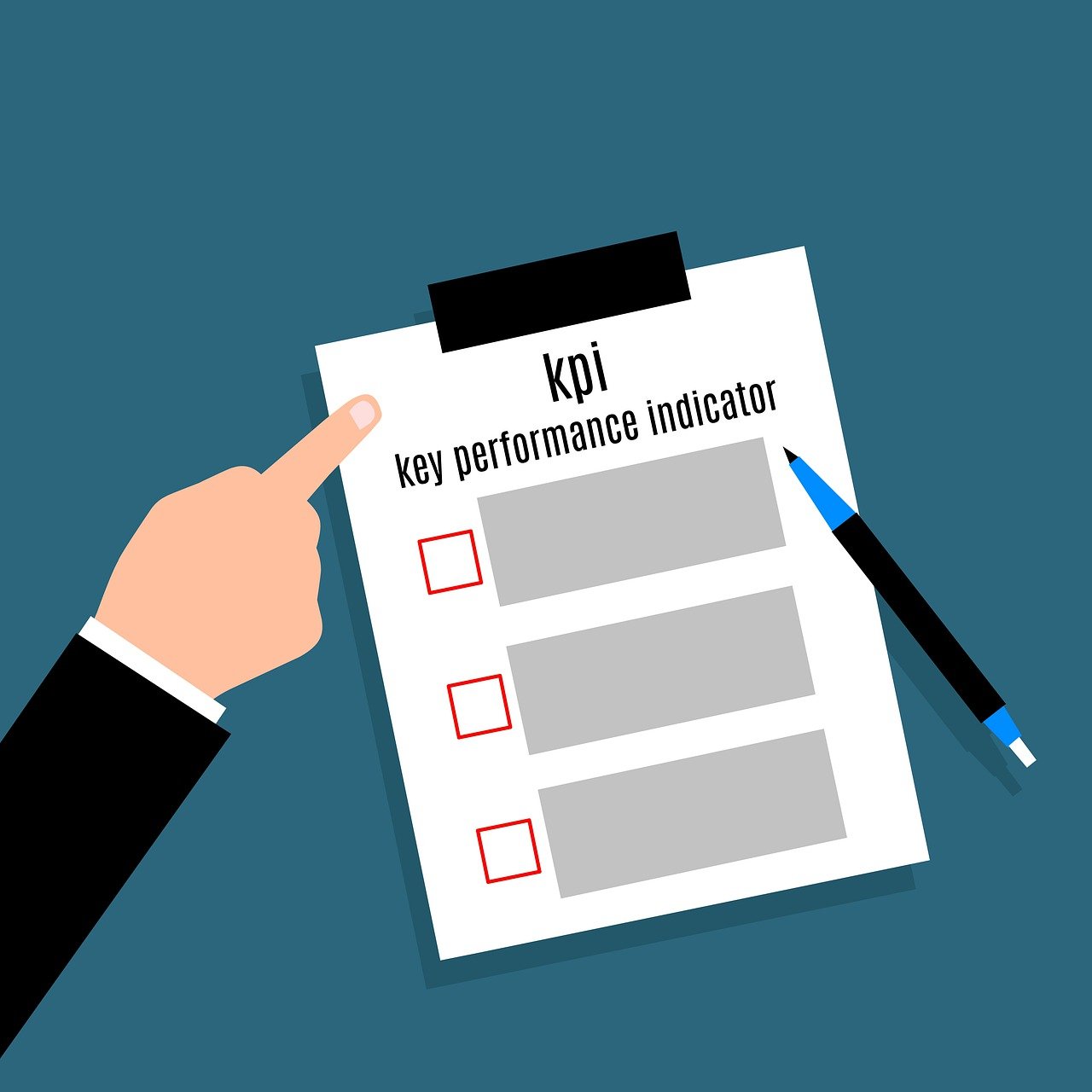
Establishing clear KPIs for measuring employee advocacy success is critical in optimizing programs and achieving desired outcomes. Firstly, organizations should focus on qualitative and quantitative measures. Qualitative metrics, such as employee feedback on their advocacy experiences, provide insights into potential areas for improvement. They can indicate how engaged employees feel regarding advocacy initiatives. Quantitative KPIs, such as the growth of follower counts or increased engagement rates across social media platforms, provide measurable success metrics. Moreover, conversion rates from advocacy efforts should be analyzed to assess how advocacy translates into tangible results, such as increased leads or sales. Regularly reviewing these KPIs can help adjust strategies, recognizing when to pivot or reinforce successful tactics. Aligning KPIs with overarching business objectives, such as increasing overall brand awareness or lead generation, ensures that advocacy efforts directly contribute to the company’s goals. By establishing a robust framework of KPIs, organizations can glean essential insights that inform decision-making and sustain growth in their advocacy efforts.
Usage of advanced analytics tools to track employee advocacy metrics is becoming increasingly vital. These tools provide enhanced data visualization, allowing organizations to view trends, patterns, and the performance of individual advocates. By employing these analytics solutions, organizations can make sense of complex data sets and derive actionable insights. Regularly gathering data helps businesses gauge the effectiveness of their advocacy programs and make data-driven adjustments. Organizations can track metrics such as reach, impressions, and engagement, which are critical for understanding the impact of advocacy on brand perception. Integrating these tools with social media platforms can further streamline the process, offering real-time feedback to employees on their advocacy performance. This continuous feedback loop not only enables employees to refine their advocacy efforts but prompts ongoing improvement. Businesses can also leverage data storytelling to communicate outcomes and successes to employees, enhancing their sense of productivity and motivation to participate. When employees see the direct correlation between their contributions and the organization’s objectives, they become more likely to engage actively in advocacy initiatives.
Recognizing and rewarding employee advocates for their contributions is essential in fostering long-term engagement. Organizations must develop a tiered rewards system that acknowledges various levels of participation and achievement. This system can include simple recognitions, such as shout-outs during team meetings or features on internal communication channels. For those who significantly impact advocacy efforts, more substantial rewards like gift cards or bonus incentives can be offered. Additionally, tailoring rewards to employees’ preferences enhances their value. By engaging employees through surveys to learn what motivates them—be it monetary rewards, professional development opportunities, or experience-based incentives—organizations can create customized rewards that resonate. Moreover, celebrating achievements in a group setting cultivates a sense of community and shared purpose among employees, further encouraging an environment of advocacy. When employees feel appreciated, they are likely to maintain active participation in advocacy initiatives and collaborate with peers to amplify their efforts. Recognizing and rewarding employees fosters sustained engagement and improves overall job satisfaction.
Conclusion and Future Directions
In summary, utilizing metrics to motivate and reward employee advocates is a strategic approach to enhance employee engagement and brand visibility. Businesses can create an environment conducive to advocacy by implementing clear KPIs, leveraging advanced analytics, and establishing effective reward systems. The focus should be on cultivating a culture where employees feel empowered and motivated to share their voices. As companies continue to evolve, revisiting these metrics is crucial for staying relevant and adaptable to new trends. The future directions of employee advocacy will likely see increased integration with technology and evolving employee engagement strategies. Furthermore, the continued shift towards remote and hybrid work models will shape how employers approach advocacy, necessitating innovative solutions. Organizations should remain open to exploring new methodologies and embracing change to build a more connected workforce. By continuously nurturing relationships with advocates, companies can achieve long-lasting benefits and foster a thriving culture of advocacy that promotes loyalty and brand growth.
As organizations move forward, it is essential to remain agile in tracking and understanding employee advocacy outcomes. This adaptability will empower companies to capitalize on the ever-changing landscape of digital communication and online engagement. Utilizing employee feedback, analyzing performance metrics, and pivoting strategies in organic and meaningful ways are necessary for maintaining advocacy momentum. Staying attuned to industry changes and emerging technologies will also enhance an organization’s approach to advocacy. As more businesses recognize the value of employee voices in promoting their brands, the need for clear metrics and performance indicators will become increasingly significant. In the complex world of employee advocacy, successful companies will be those that foster a culture of collaboration and open communication. Ultimately, utilizing metrics and KPIs to motivate advocates will not only positively impact employee engagement but also support broader organizational goals. With the right strategies in place, companies can ensure a thriving culture where employees feel valued, empowered, and keen to amplify their organization’s message to external audiences.