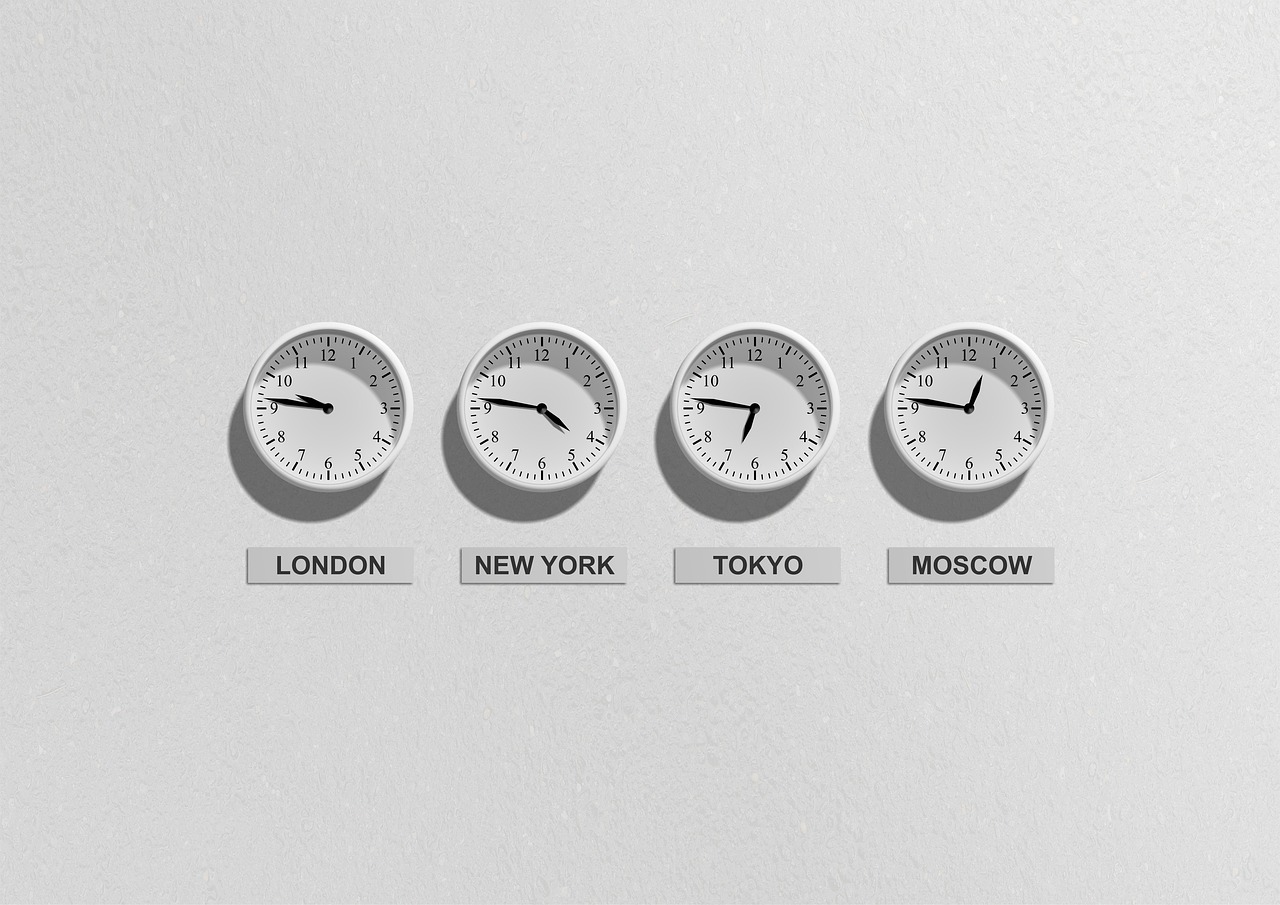

Scheduling Content by Time Zone: Tips for Social Media Professionals
Understanding your audience’s time zones is crucial for any social media strategy. Many marketers overlook the importance of timing when posting content. By scheduling your posts according to time zones, you can enhance engagement and ensure your content reaches the target audience when they are most active online. Use analytics tools that provide insights into when your followers are online. This data will help you tailor your posting strategy to maximize visibility and reach. Additionally, consider creating a content calendar that aligns with different time zones. A well-structured calendar will allow you to maintain consistency, avoiding periods of inactivity. Keep track of holidays and peak engagement times for each region you target. Social media platforms also offer scheduling features that can assist in automating your posts based on time zones. Be aware of daylight saving changes as well, as they can affect your scheduling. Finally, monitor the performance of your posts across different time zones to analyze what times yield the best results. Adapting your strategy based on this data ensures you connect with your audience effectively.
One of the key benefits of time zone scheduling is improved international engagement. Social media platforms span across the globe, allowing for content sharing from different countries. When you schedule posts to align with specific time zones, you open up the opportunity for your content to reach users in regions that you might not have initially targeted. Engaging with these regions can lead to increased visibility for your brand or product. For instance, if your analytics show significant followers in Europe, adjust your posting hours to align with Central European Time. A popular option among social media managers is utilizing scheduling tools like Hootsuite or Buffer. These platforms allow you to set specific posting times for multiple time zones. You can also categorize your audience by location, ensuring that your posts are timely and relevant. Consistent engagement builds relationships with your followers, which is essential for brand loyalty. Ultimately, investing the time to understand and implement time-zone specific strategies can pay off significantly in the long run. Your brand will likely experience heightened interactions, promoting a positive online presence.
Using Scheduling Tools Effectively
Take full advantage of scheduling tools to optimize your posting strategy. These tools often come equipped with features that allow for tailor-made scheduling across different time zones. A robust tool will save you the hassle of manual posting and ensure your content appears at optimal times automatically. Most scheduling platforms also provide analytics to track post performance, enhancing your understanding of engagement metrics. Page insights can show you which posts resonate most with your audience based on timing. Schedule posts during peak hours, which might reveal different patterns according to the regions you are engaging. Popular platforms like Sprout Social and Later provide customizable options for post timings and visuals. Moreover, experimenting with various posting times can yield valuable insights. Over time, you may identify the best hours that lead to increased shares, likes, and comments. Don’t forget to integrate trending topics or seasonal themes into your posts. Synchronize your content calendar with global events and topics relevant to your brand to maximize engagement. This proactive approach can create a buzz around your social media presence.
Timing your posts correctly can lead to enhanced analytics. For professionals in social media marketing, an understanding of optimal post timings can make all the difference. Regularly check and document the performance of your posts over time to analyze engagement changes systematically. User activity can fluctuate based on seasons, special events, or even daily habits, so always be ready to adapt. Consider creating A/B testing strategies where you can easily compare engagement rates from different posting times. Measure metrics like click-through rates or user interactions per time slot meticulously to draw meaningful conclusions. Also, consider when your competitors are posting to stay ahead in your field. Develop a schedule that helps distinguish your content from others in the market. Utilizing all available data can translate into a more effective marketing strategy. Collaboration with your marketing team can facilitate information sharing to refine timing strategies further. Open discussions allow you to pool insights from various data points, especially during campaign planning. By staying organized and informed on your findings, you can continually adjust to your audience’s needs and behaviors.
The Importance of Audience Analysis
To truly master scheduling by time zones, conducting thorough audience analysis is essential. Understanding your audience demographics provides clarity on the best times to post content. Political events, cultural practices, and local holidays can significantly impact online behavior in different regions. Take note of what times yield the greatest interaction to optimize your content strategy. Tools like Google Analytics can help track the geolocation of your audience with ease. Observing audience habits can also highlight when they are most likely to engage with specific types of content. You may find that visual content garners more attention during lunch hours in one region, while blog posts have better traction in the evenings. Seasonal factors also play a role; for instance, during holidays, posting times may differ dramatically. Tailoring your approach emphasizes how crucial understanding variations between regions is for content performance. Remember, each region is unique—what works in one country may not resonate in another. Invest the time necessary to segment your audience accordingly to better enhance your reach and develop meaningful connections.
Finally, document your scheduling experiences and results after testing your strategies for various time zones. Keeping thorough records allows you to glean patterns over time, observing which strategies yielded successful engagement. Creating a visual dashboard of your findings can help in quickly assessing what has worked best. Track not only engagement but also conversion rates to understand the impact of your time-zone strategies. This kind of documentation can serve as a reference point for future marketing campaigns. Analyzing this data regularly feeds improvements into your content strategies as you learn valuable lessons. Additionally, continuous testing encourages innovation and helps you remain agile in a constantly evolving social media sphere. If something isn’t working, don’t hesitate to make quick adjustments based on your collected data. In addition, sharing these results with your team fosters a culture of learning. Regular assessments enable collective brainstorming sessions for potential refinements in your approach. By enhancing your time zone strategies based on recorded data, you ensure that your brand’s social media presence remains relevant and engaging, ultimately leading to better performance.
Conclusion: Enhancing Your Social Media Strategy
In conclusion, mastering scheduling content according to different time zones significantly impacts your social media strategy. Each region’s unique time-sensitive behaviors can lead to improved audience engagement and retention. By effectively harnessing scheduling tools, audience analysis, and thorough testing, you position your brand to succeed in a global market. The small adjustments made to your posting schedule can result in monumental changes in user interaction. Don’t underestimate the power of analytics when refining your posting times. Make data-driven decisions to enhance your social media presence consistently. Building relationships and trust with different audiences stimulates loyalty, pivotal for sustained growth. Being conscious of cultural practices and local habits further supports your content’s relevance. Your audience is more likely to engage with brands that understand when to communicate with them effectively. Ultimately, aiming for the right time to post can transform your engagement metrics from moderate to remarkable. As you adapt to your audience’s evolving needs and preferences, you showcase your brand’s commitment to effective communication. Thus, prioritize developing and revising a thoughtful social media strategy focused on timing.
Follow these tips, and you’ll be on your way to optimizing your social media presence effectively. A well-scheduled content strategy is key to reaching various audiences across time zones, maximizing impact. In today’s globalized world, the right timing can dictate the success of your posts. Remember to listen to your audience, analyze their behaviors, and most importantly, adapt your strategies accordingly. Incorporating insights from performance metrics into a robust content calendar ensures you never miss a chance to engage. Don’t neglect the importance of continuous improvement; social media is an ever-changing landscape. Keep learning from direct interactions, trends, and new analytics offered by social media platforms to stay ahead. Each post holds the potential to connect with users on a personal level, so make every moment count. Ensure that your approach is both proactive and reactive to current events, market changes, and your audience’s preferences. Timing your posts intentionally can create enriching conversations and authentic connections that benefit your brand’s image. Compliance with these principles will pave the way for effective social media strategies that resonate with audiences worldwide.